History of the Appalachian Mountains: How They Were Formed
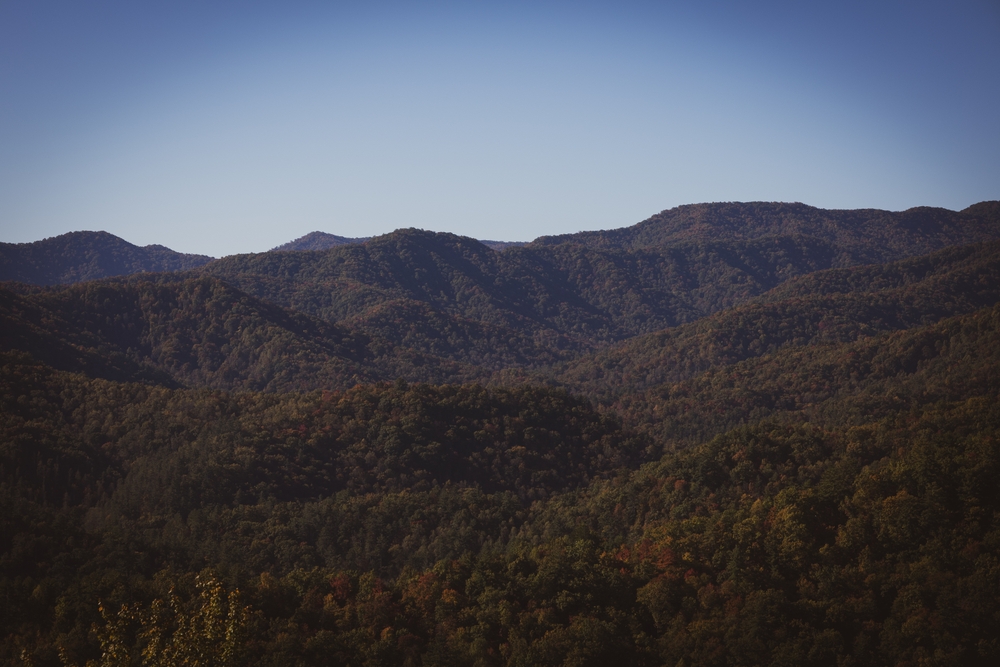
The Appalachian Mountains are among the oldest mountain ranges on Earth. Stretching for about 1,500 miles (2,400 kilometers) from Newfoundland and Labrador in Canada to Alabama in the United States, they have witnessed hundreds of millions of years of Earth's history. Today, these mountains are known for their rolling peaks, lush forests, abundant wildlife, and world-famous hiking trails. However, the story of how they came to exist is even more fascinating than their breathtaking scenery.
In this guide, you'll learn how the Appalachian Mountains were formed, why they are considered one of the world's oldest mountain ranges, how they have changed over time, and why they continue to attract scientists, hikers, and travelers alike.
Quick Answer: How Were the Appalachian Mountains Formed?
The Appalachian Mountains were formed through a series of continental collisions that occurred between 480 million and 300 million years ago. During this period, massive tectonic plates slowly moved together, causing the Earth's crust to fold, rise, and create towering mountain ranges. Over millions of years, erosion caused by wind, rain, rivers, and ice gradually shaped the rugged peaks into the rounded mountains we see today.
Understanding Plate Tectonics
To understand the history of the Appalachian Mountains, it's important to know about plate tectonics.
The Earth's outer layer is divided into large pieces called tectonic plates. These plates are constantly moving, although very slowly. Sometimes they move apart, while at other times they collide. When two continental plates collide, the rocks between them are compressed, folded, and pushed upward, creating mountains.
This is exactly what happened during the formation of the Appalachian Mountains.
The Early Stages of Formation
Around 480 million years ago, the area that is now eastern North America looked very different. An ancient ocean called the Iapetus Ocean separated several landmasses.
As tectonic plates continued to move, volcanic islands and small continents began colliding with the edge of ancient North America. These collisions created the first mountain-building events, known by geologists as orogenies.
Each collision added more rock, increased the height of the mountains, and expanded the growing Appalachian range.
The Continental Collision That Changed Everything
The most significant event occurred approximately 300 million years ago during the formation of the supercontinent Pangaea.
Ancient North America collided with Africa and Europe. The tremendous pressure caused enormous layers of rock to buckle, fold, and rise thousands of feet into the air.
At that time, the Appalachian Mountains were likely as tall as or even taller than today's Himalayan Mountains.
This massive geological event shaped much of eastern North America and left behind the foundation of the mountains we know today.
Millions of Years of Erosion
While mountain-building created towering peaks, erosion slowly transformed them.
For more than 250 million years, natural forces have worn down the mountains.
These include:
Rainfall
Rivers
Wind
Freezing and thawing
Landslides
Plant growth
Weathering of rocks
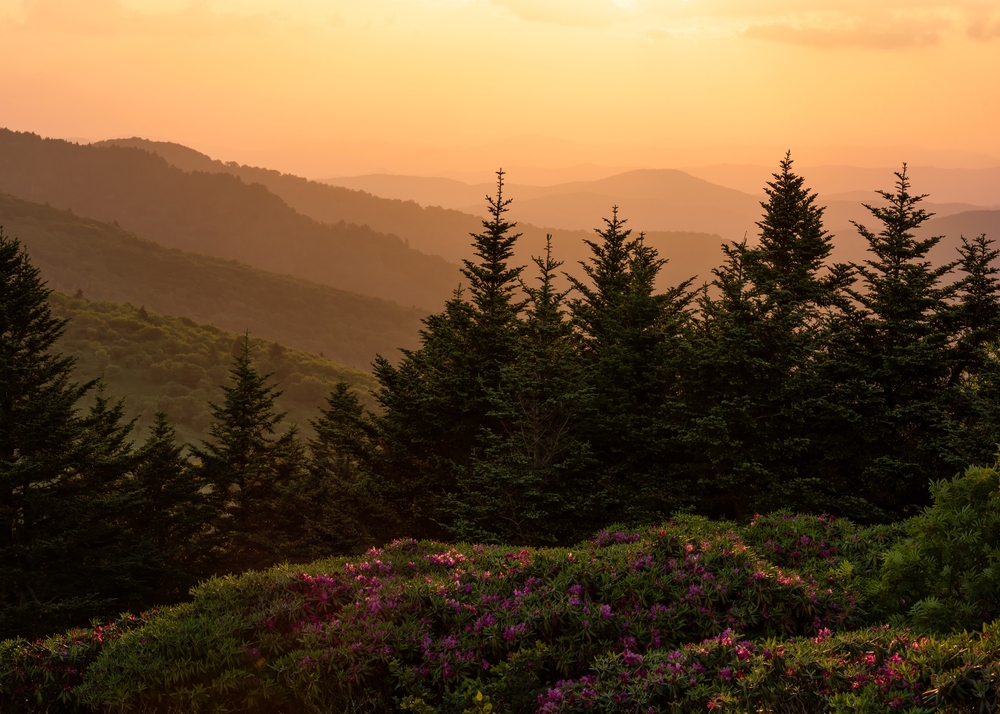
Instead of sharp, jagged peaks, the Appalachian Mountains now feature smooth ridges and rounded summits.
This long period of erosion is one of the reasons they look very different from younger mountain ranges such as the Rockies.
Why Are the Appalachian Mountains So Old?
Geologists estimate that parts of the Appalachian Mountains are nearly 480 million years old, making them among the oldest mountain ranges on Earth.
Unlike younger mountains that are still rising due to active tectonic movement, the Appalachians have experienced little recent uplift. Instead, erosion has been the dominant force shaping their landscape.
Their incredible age allows scientists to study Earth's geological history in remarkable detail.
Different Regions of the Appalachian Mountains
The Appalachian Mountains are not one single mountain but a collection of several mountain systems.
Some of the best-known regions include:
Blue Ridge Mountains
Known for scenic drives, waterfalls, and colorful forests.
Great Smoky Mountains
Home to one of the most visited national parks in North America and famous for incredible biodiversity.
White Mountains
Located in New Hampshire, these mountains feature rugged terrain and popular hiking destinations.
Green Mountains
Stretching across Vermont, they are well known for skiing, forests, and beautiful autumn colors.
Allegheny Mountains
Found mainly in West Virginia and Virginia, these mountains offer extensive hiking, camping, and wildlife viewing opportunities.
Each region has its own geological features, landscapes, and natural beauty while sharing the same ancient history.
Fossils Found in the Appalachian Mountains
Because the Appalachian Mountains were once covered by ancient seas, many marine fossils have been discovered throughout the region.
Scientists have found evidence of:
Ancient corals
Trilobites
Brachiopods
Sea lilies
Shellfish
These fossils provide valuable clues about the environments that existed hundreds of millions of years ago.
Rich Biodiversity Created by Ancient Landscapes
The Appalachian Mountains are one of the most biologically diverse temperate regions in the world.
Their long geological history has created a wide variety of habitats that support thousands of plant and animal species.
Visitors may encounter:
Black bears
White-tailed deer
Elk
Salamanders
Bald eagles
Wild turkeys
Black cherry trees
Eastern hemlocks
Rhododendrons
Mountain laurels
The Great Smoky Mountains alone contain thousands of documented plant and animal species, with researchers continuing to discover new ones.
Why the Appalachian Mountains Matter Today
Although they formed hundreds of millions of years ago, the Appalachian Mountains remain important for many reasons.
They provide:
Freshwater sources
Forest ecosystems
Wildlife habitats
Recreation opportunities
Tourism income
Scientific research
Cultural heritage
Millions of people visit the region every year for hiking, camping, fishing, scenic drives, birdwatching, photography, and outdoor adventures.
The mountains also support local communities through tourism, conservation, and sustainable outdoor recreation.
Fun Geological Facts
Here are a few interesting facts about the Appalachian Mountains:
They stretch across 14 U.S. states and parts of eastern Canada.
They are older than the Atlantic Ocean.
They were once connected to mountain ranges in Scotland, Ireland, Greenland, and Morocco before the continents separated.
The Appalachian Trail covers approximately 2,190 miles.
Their rounded appearance is the result of millions of years of erosion rather than recent volcanic activity.
If you'd like to discover even more fascinating details about this legendary mountain range, explore The 8 Awesome Facts About The Appalachian Mountains, which highlights interesting facts about its geography, wildlife, history, and natural beauty.
Frequently Asked Questions
How old are the Appalachian Mountains?
The Appalachian Mountains are approximately 480 million years old, making them one of the oldest mountain ranges on Earth.
What formed the Appalachian Mountains?
They formed through multiple tectonic plate collisions that compressed and uplifted Earth's crust over millions of years.
Why are the Appalachian Mountains rounded?
Millions of years of erosion caused by wind, rain, rivers, ice, and weathering gradually wore down their once towering peaks into the rounded mountains visible today.
Are the Appalachian Mountains still growing?
No. Unlike younger mountain ranges, the Appalachian Mountains are no longer actively growing. Erosion continues to reshape them slowly.
Were the Appalachian Mountains once taller?
Yes. Scientists believe they may have once rivaled the Himalayas in height before hundreds of millions of years of erosion reduced their elevation.
Final Thoughts
The history of the Appalachian Mountains is a remarkable story of powerful geological forces, ancient oceans, shifting continents, and millions of years of natural change. Their formation reminds us that Earth's landscapes are constantly evolving, even if those changes happen far too slowly for us to notice.
Today, the Appalachian Mountains stand as a symbol of natural beauty, resilience, and scientific importance. Whether you're interested in geology, history, wildlife, or outdoor adventure, understanding how these mountains were formed adds a deeper appreciation for every trail, valley, and scenic overlook.
Read more:
The Appalachian Mountains are one of the oldest and most fascinating mountain ranges in the world, offering a unique blend of natural beauty, rich history, and outdoor adventure. The 8 Awesome Facts About The Appalachian Mountains uncovers interesting insights into their ancient origins, diverse wildlife, iconic Appalachian Trail, and breathtaking landscapes. Whether you're a traveler, hiking enthusiast, or nature lover, this guide highlights what makes these mountains truly remarkable. From scenic vistas to hidden natural wonders, it provides an engaging look at why the Appalachians continue to captivate visitors from around the globe. It's the perfect read for anyone looking to discover the history, beauty, and significance of this legendary mountain range.