Unearthing the Past: The Vital Role of Archaeology in History
History is often perceived as a narrative written by the victors—a collection of texts and official documents that reflect the perspectives of those in power.
However, archaeology acts as the ultimate truth-seeker, bridging the gap between written records and the lived reality of past civilizations. By studying the physical remnants of human existence, archaeology provides a tangible connection to our ancestors that books alone cannot capture.
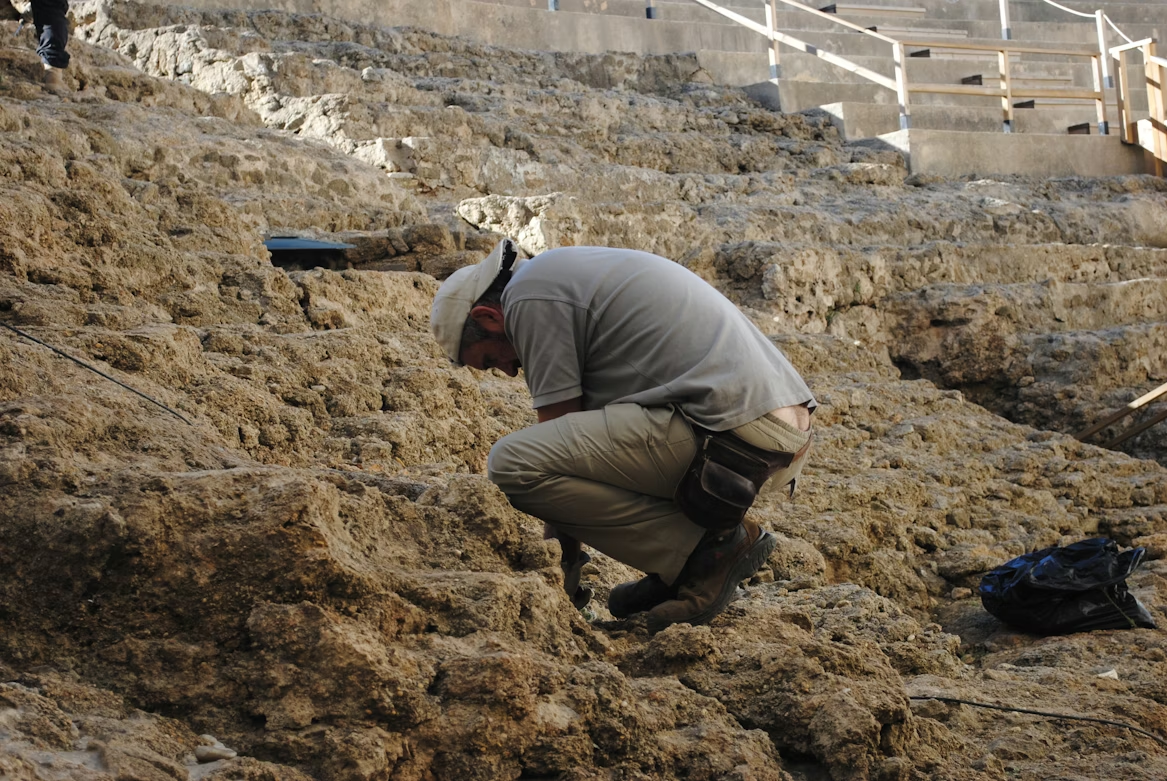
At its core, archaeology is the science of material culture. While historical texts may detail the grand political maneuvers of kings and emperors, they often remain silent on the daily lives of the common people.
Through the excavation of homes, tools, pottery, and refuse heaps, archaeologists reconstruct the lives of the marginalized—the laborers, women, children, and enslaved populations whose stories were rarely deemed significant enough to be recorded in scrolls. In this sense, archaeology democratizes history, giving a voice to the voiceless.
Furthermore, archaeology serves as a corrective lens for the historical record. Throughout history, biases, propaganda, and the ravages of time have distorted our understanding of events. Archaeology provides an objective, empirical foundation.
When the physical evidence contradicts a long-held historical narrative, it forces us to reevaluate our understanding of the past. For instance, the discovery of trade goods in unexpected regions has repeatedly shattered myths about the isolation of ancient cultures, revealing instead a complex, interconnected global network long before the modern era.
Ultimately, archaeology is not merely about digging up artifacts; it is about reconstructing the human story. It teaches us about migration, technological innovation, social stratification, and environmental adaptation. By unearthing the foundations of our civilizations, we gain a deeper awareness of the forces that have shaped our contemporary world.
Archaeology proves that history is not a static document, but a living, evolving field of inquiry—one that continues to surprise us with every layer we peel back.