Shadows and Skyline: The Enduring Power of Modern Gothic Architecture
While many associate Gothic architecture with the damp, soaring cathedrals of 12th-century Europe, the style never truly disappeared. Instead, it evolved. Modern Gothic architecture—ranging from the 19th-century Neo-Gothic revival to contemporary structural expressions—retains the dramatic spirit of the Middle Ages while embracing the possibilities of modern engineering.
At its core, Gothic design is defined by two elements: verticality and light. The hallmark pointed arches, ribbed vaults, and flying buttresses were originally revolutionary solutions to the problem of stone’s immense weight.
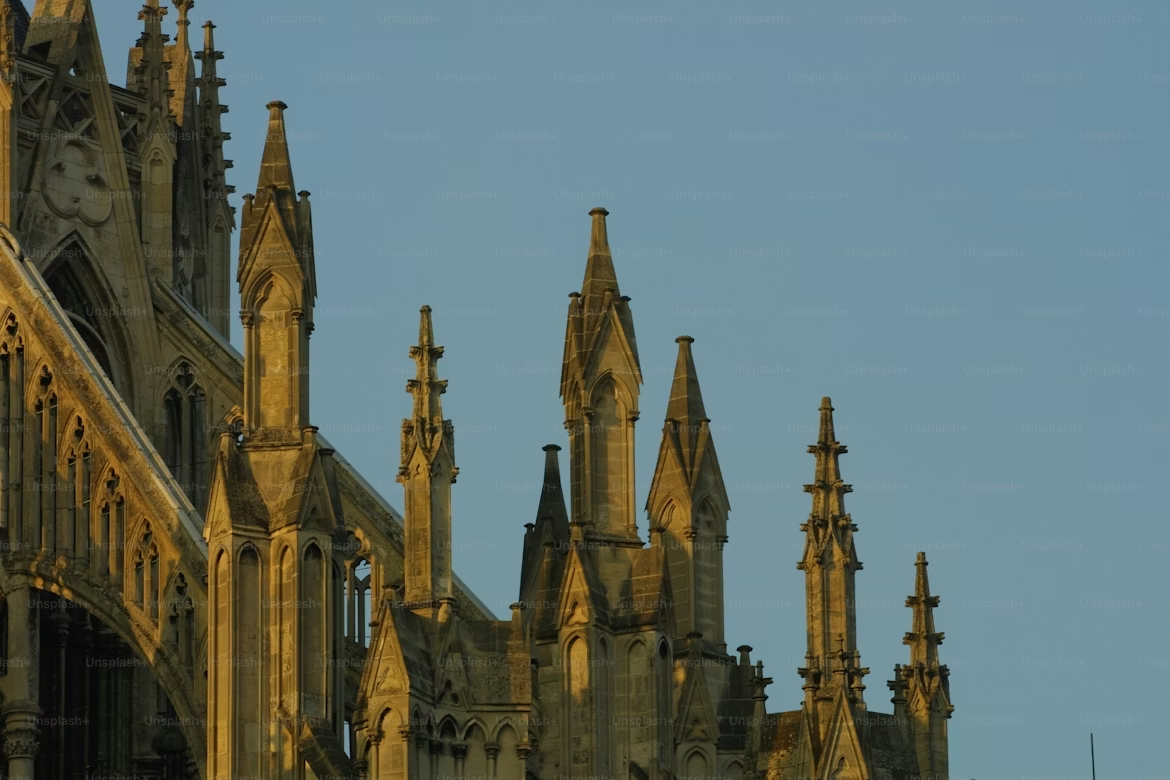
In modern interpretations, these elements are often stripped of their ornate gargoyles and replaced with clean, minimalist lines. Architects today use the style to evoke a sense of awe and transcendence, proving that high-reaching structures aren't just about maximizing floor space; they are about an emotional upward pull.
The transition from limestone to steel and reinforced glass has allowed Modern Gothic to reach unprecedented heights. Instead of traditional stained glass depicting biblical scenes, modern iterations utilize vast curtain walls of glass that manipulate natural light to create "monumental transparency."
Buildings like the Chicago Tribune Tower or the iconic silhouettes of University campuses demonstrate how the style bridges the gap between historical weight and modern prestige.
Furthermore, the "Gothic" aesthetic has found a new home in the Digital Age. Contemporary architects often use algorithmic design to create complex, skeletal structures that mimic the intricate tracery of medieval windows.
In conclusion, an analysis of Modern Gothic reveals a style that refuses to become a relic. It is a marriage of the organic and the industrial. By balancing the "heaviness" of tradition with the transparency of contemporary materials, this architectural movement continues to provide a sense of mystery and grandeur in an increasingly uniform world of glass boxes.
The Gothic spirit lives on, reminding us that buildings can be more than shelter—they can be a reach for the infinite.