Preserving the Past: The Revolution of Technology in Art Conservation
For centuries, art restoration was a process defined by patience, intuition, and the occasional guesswork of master craftspeople. Today, that landscape has been fundamentally altered. As we face the inevitable decay of cultural treasures, technology has emerged not merely as a tool, but as a guardian of our collective history.
The marriage of art and science begins long before a brush touches a canvas. Advanced imaging techniques, such as multispectral and infrared reflectography, allow conservators to see beneath the surface of a painting.
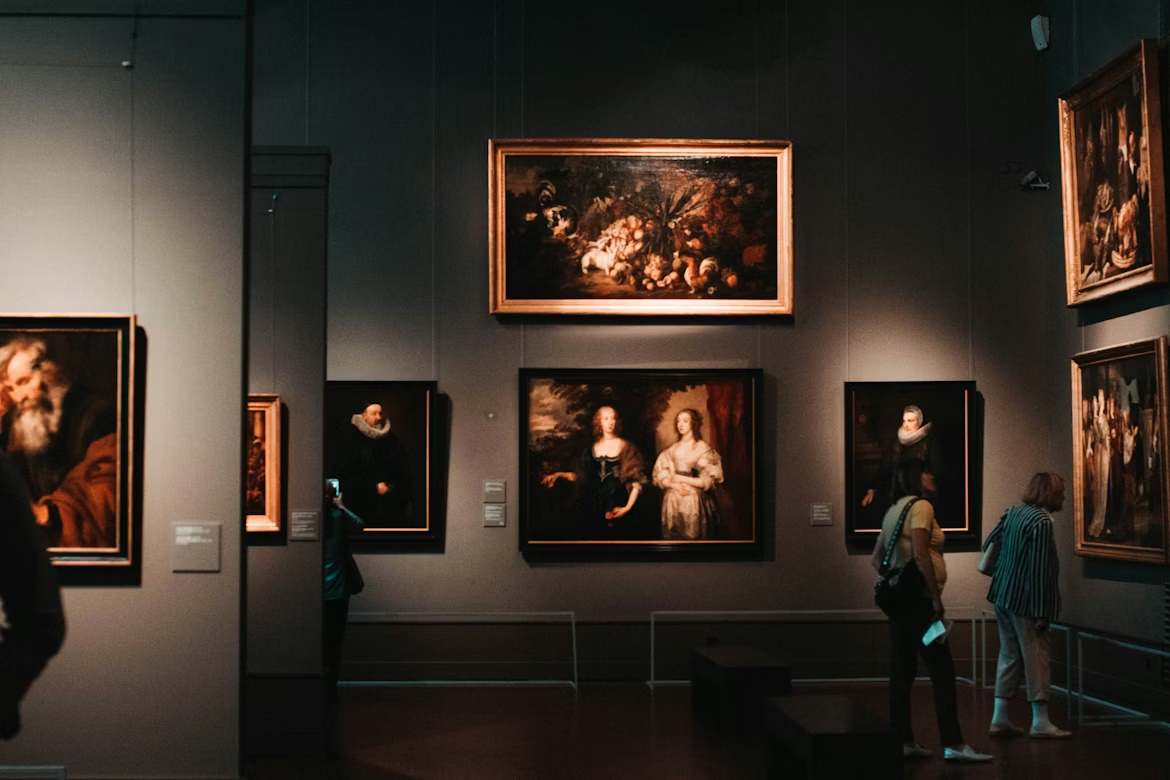
These scans reveal hidden sketches, pentimenti (changes made by the artist), and even the deterioration of pigments invisible to the human eye. By "reading" the layers of an artwork without touching it, experts can create surgical restoration plans that respect the artist’s original intent.
Beyond diagnostics, technology has revolutionized the physical repair process. 3D scanning and additive manufacturing now allow for the precise recreation of missing fragments in sculptures or architectural ruins.
Rather than guessing the shape of a broken ceramic or a weathered frieze, conservators use digital models to fabricate near-perfect matches, ensuring structural integrity while maintaining authenticity.
Perhaps most exciting is the rise of Artificial Intelligence. AI algorithms are being trained to recognize patterns of degradation, such as crack propagation or varnish yellowing. These systems can simulate how an artwork will age over the next century, allowing museums to adjust climate-control environments proactively to slow decay.
Furthermore, digital restoration allows us to view masterpieces in their "pristine" state via augmented reality, providing viewers with a bridge between the faded past and the vibrant history of the work's creation.
Technology does not replace the human touch; it amplifies it. By combining cutting-edge digital precision with the irreplaceable expertise of the conservator, we are ensuring that the masterpieces of yesterday continue to inspire the generations of tomorrow.