The Grandeur of the Baroque: A Legacy of Drama and Light
If the Renaissance was a moment of calm, mathematical perfection, the Baroque period was its rebellious, theatrical successor.
Emerging in Rome around 1600, Baroque art wasn’t just meant to be seen; it was meant to be felt. It was an era defined by grandeur, emotional intensity, and a sense of movement that continues to influence our visual culture today.
The Art of the Dramatic
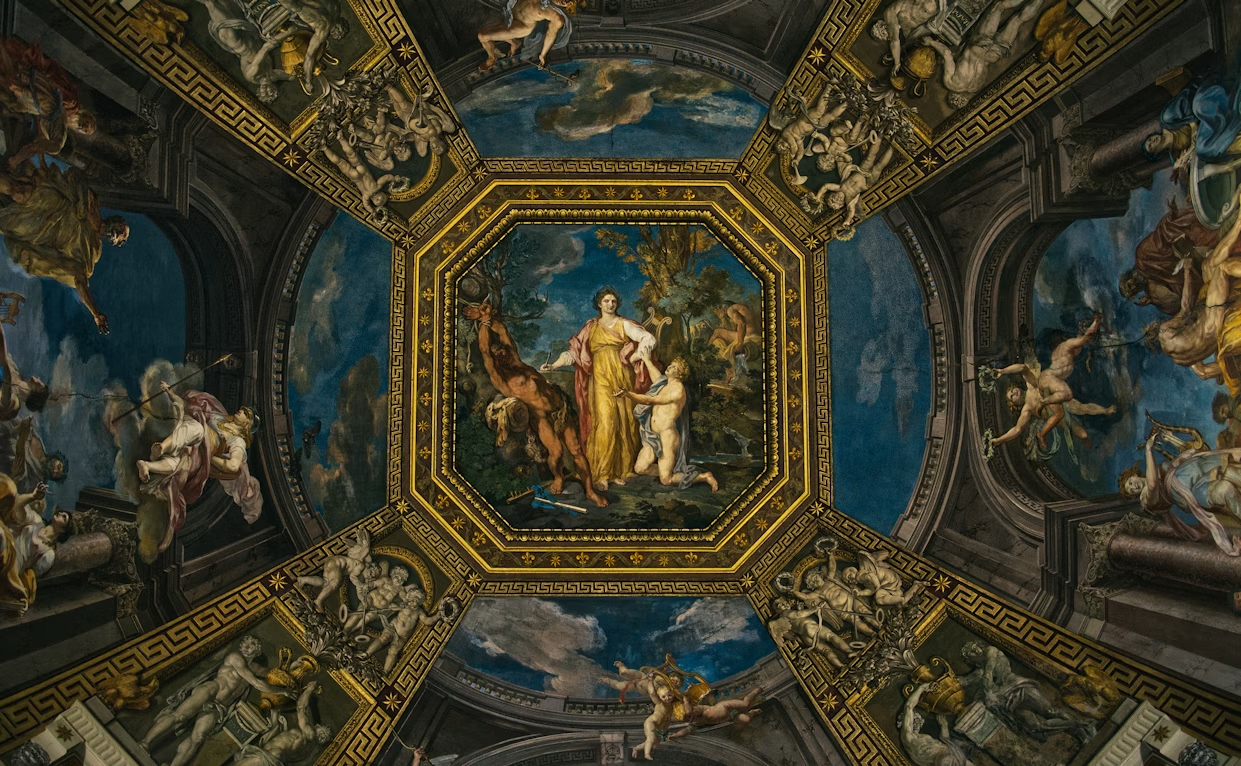
At the heart of Baroque art is chiaroscuro—the bold contrast between deep shadows and brilliant highlights. Master painters like Caravaggio used this technique to create a "spotlight" effect, plunging the background into darkness to make the central drama pop.
But the movement wasn’t limited to canvas. In sculpture, Gian Lorenzo Bernini transformed cold marble into flesh and fabric that seemed to flutter in the wind.
Baroque art rejected the static; it captured a "frozen moment" in time, whether it was a saint in ecstasy or a battle at its peak. It was the original "cinematic" style, designed to overwhelm the senses and inspire awe.
A Lasting Influence
The Baroque’s influence didn't end in the mid-18th century. Its DNA is visible across modern creative industries:
- Cinematography: Directors like Noir icons and modern visionaries use Baroque lighting techniques to create mood and suspense.
- Fashion: The "more is more" philosophy of luxury brands like Versace and Dolce & Gabbana draws directly from Baroque ornamentation and gold-gilded aesthetics.
- Architecture: The focus on monumental scales and curving lines paved the way for the expressive freedom of Post-modernism.
Final Thoughts
Exploring Baroque art is an exploration of human passion. It teaches us that art doesn't always have to be polite or balanced—sometimes, it needs to be loud, dark, and deeply emotional.
In an age of minimalist digital design, the unapologetic drama of the Baroque remains a powerful reminder of the beauty found in complexity.