The Mirror and the Hammer: Examining the Relationship Between Art and Society
Art is far more than mere decoration; it is the heartbeat of human civilization. Throughout history, the relationship between art and society has functioned as a complex, symbiotic loop. We create art to reflect our world, and in turn, that art reshapes the society that produced it.
At its most fundamental level, art acts as a mirror. It captures the zeitgeist—the collective fears, aspirations, and values of an era. Whether it is a Renaissance painting depicting religious fervor or a gritty contemporary film addressing social inequality, art provides a visual and emotional record of who we are.
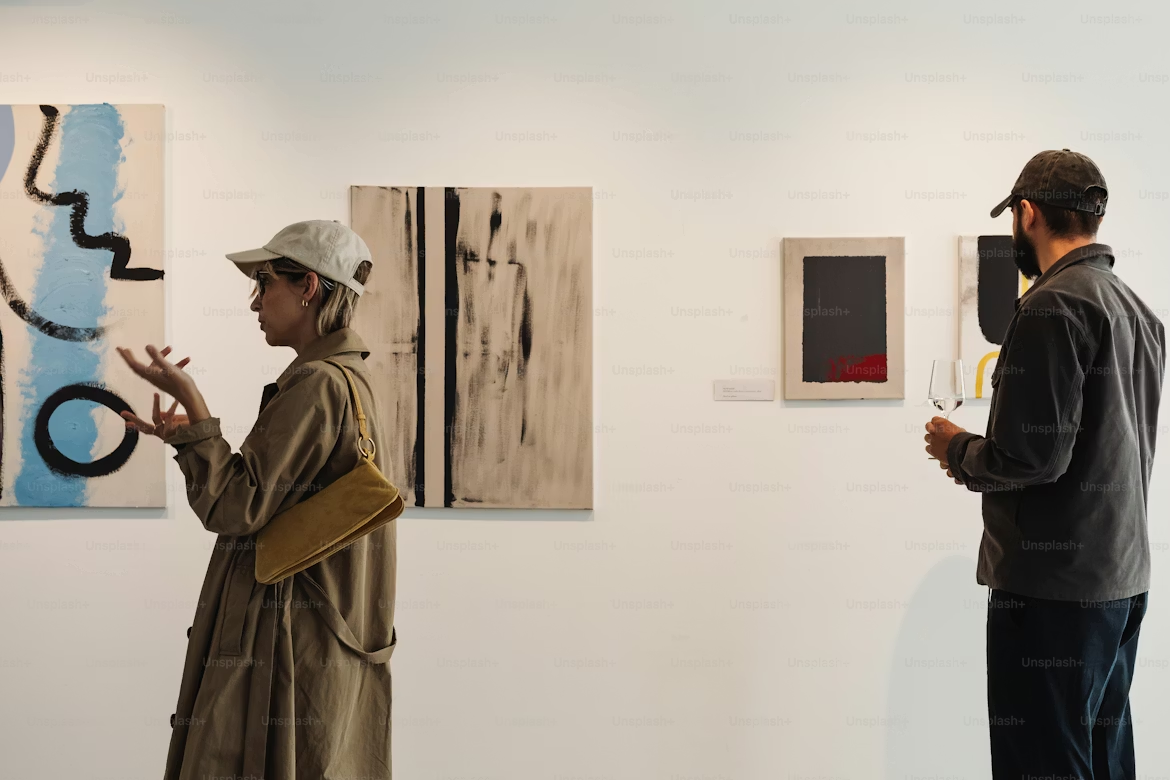
It forces us to confront uncomfortable truths, documenting the struggles of marginalized voices and preserving cultural heritage that would otherwise fade into obscurity.
However, art is not a passive reflection; it is also a hammer. According to Bertolt Brecht, "Art is not a mirror held up to reality, but a hammer with which to shape it." This is where the true power of creativity lies. Art has the unique ability to challenge the status quo, provoke dialogue, and inspire movements.
Think of the protest music of the 1960s or the subversive street art that critiques political corruption; these works do not just describe society—they agitate for change. By shifting perspectives and fostering empathy, art bridges divides, encouraging us to imagine a more equitable or vibrant future.
Ultimately, the relationship between art and society is one of continuous evolution. As society changes, so does the medium of its expression. In our digital age, this dialogue has become democratized, allowing everyday citizens to contribute to the global artistic conversation.
To ignore art is to ignore the conscience of society. By supporting creative expression, we aren’t just funding aesthetics; we are investing in the vital, ongoing process of defining what it means to be human.