Types of BCom Courses (General, Honours, Professional): What Should You Actually Choose?
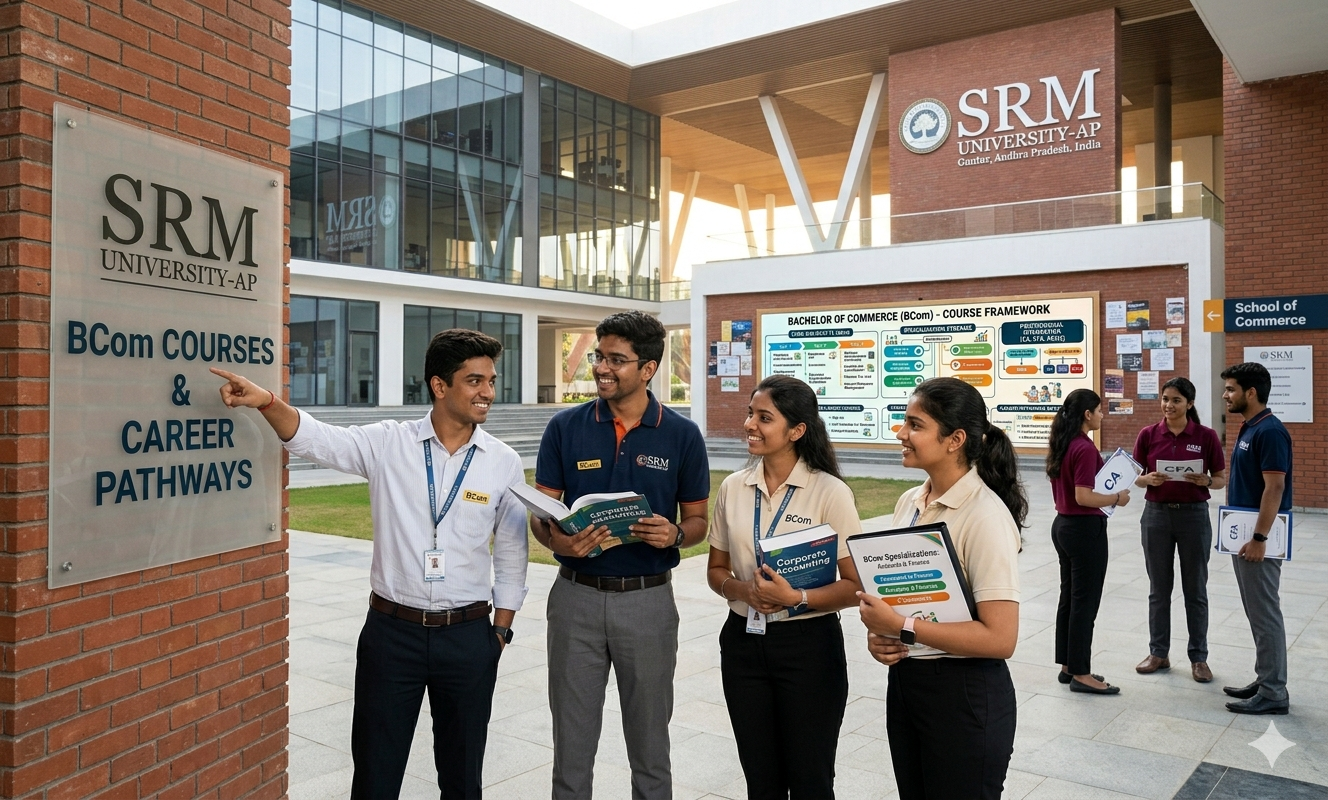
Choosing a course after 12th often feels less like a decision and more like pressure, everyone around you has an opinion. Some say, “Just do BCom, it’s safe,” while others push you toward professional courses. But here’s the thing most people don’t explain properly: BCom itself isn’t just one path.
There are different types of Bachelor in Commerce courses and each one leads to a very different future. Picking the right one isn’t about what sounds impressive, it’s about what actually matches your goals, your interest and honestly, your capacity to handle the workload.
Let’s break it down in a way that actually makes sense.
1. BCom General – The “Figure It Out” Route
If you’re someone who isn’t 100% sure about your career yet, BCom General gives you breathing space.
This course is designed to give you a basic understanding of commerce as a whole, you’ll study accounting, business law, economics and a bit of finance. Nothing too overwhelming, but enough to build a solid base.
What makes it popular is its flexibility. You’re not locking yourself into one field too early. After graduation, you can still decide whether to go for an MBA, M.Com or even shift towards professional courses.
When you explore BCom course details, you’ll notice that General BCom is more balanced and less intense, which makes it a comfortable starting point for many students.
Best for: Students who want options and time to explore
2. BCom Honours – The “I’m Serious About This” Choice
Now, if you already know that you want to build a strong career in commerce especially in accounting or finance, BCom Honours is where things get real.
This isn’t just about studying more subjects, it’s about studying them deeply. You’ll go beyond basics into areas like advanced accounting, taxation, auditing and financial management.
The competition level here is naturally higher, but so are the opportunities. Many students who aim for careers like Chartered Accountant (CA) or finance roles prefer this course because it builds a stronger academic base.
When it comes to BCom course subjects, Honours programs are more detailed and specialised, which helps you stand out if you’re targeting high-level roles.
Best for: Students who are focused and ready to put in extra effort
3. BCom Professional – The “Career-First” Track
This is where things shift from classroom learning to real-world preparation.
BCom Professional is designed for students who already have a clear goal like becoming a CA, CS or CMA and want to start preparing from day one.
Many colleges structure this course alongside professional certifications, so you’re basically working on your degree and your career at the same time.
The learning here is more practical. You’ll deal with case studies, real business scenarios and industry-relevant skills. But let’s be honest, it’s not easy. Managing both academics and professional preparation requires serious discipline.
Best for: Students who are clear about their goals and ready for a challenge
So… Which One Should You Pick?
Instead of asking “Which is best?”, ask yourself:
- Do I want time to explore or do I already have clarity?
- Can I handle academic pressure or do I prefer a balanced pace?
- Am I aiming for quick job readiness or higher studies later?
Your answers will naturally guide you:
- Go with BCom General if you want flexibility
- Choose BCom Honours if you want depth and strong knowledge
- Pick BCom Professional if you’re career-focused from the start
Conclusion
The truth is, your course matters, but not as much as what you do during it.
Two students can study the same BCom and end up in completely different places. Why? Because one focused on building skills, doing internships and learning beyond the syllabus… while the other just chased marks.
So whatever you choose, don’t just “complete” your degree. Use it.
Because in the end, it’s not the type of BCom that defines your future, it’s how seriously you take it.