Bitcoin Address Privacy Exposure: The Four Layers of Risk Most Holders Have Never Considered
Your Bitcoin address is not a private channel. It is the entry point to a permanent, globally readable public record. Understanding the specific layers of exposure that any Bitcoin address creates is the first step toward addressing them effectively.
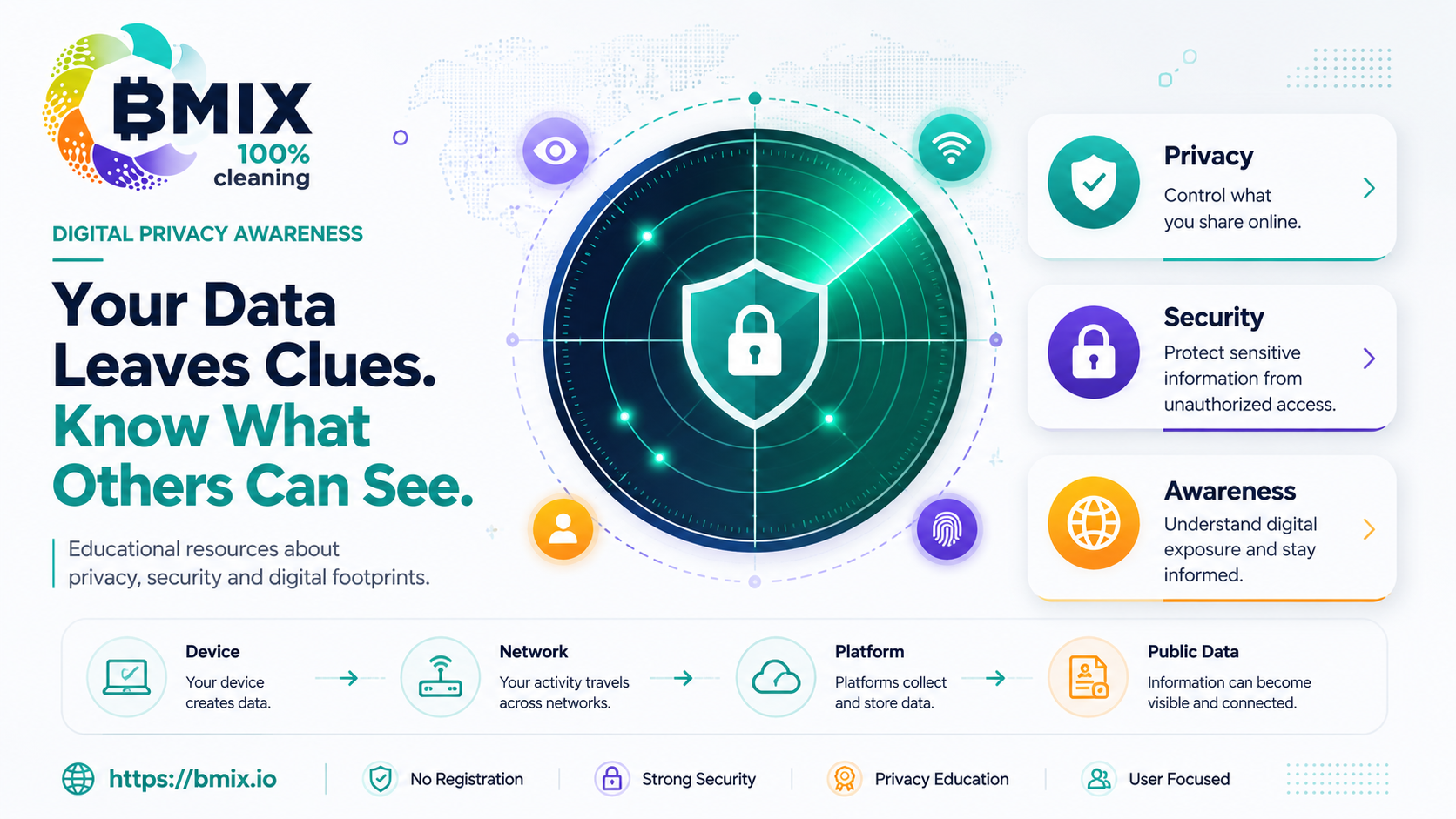
Layer 1: Your Balance Is Public
Anyone who knows your Bitcoin address can see your current holdings, every deposit you have ever received, and every withdrawal you have ever made — down to the satoshi, with timestamps. This is accessible to anyone with a browser and your address. In traditional banking, account balances are private. In Bitcoin, they are not.
Layer 2: Your Financial Relationships Are Mapped
Every address your wallet has interacted with is visible in your transaction history. Payment recipients, payment senders, and the exact amounts in each direction are permanently recorded. Commercial analytics tools index this data to build financial relationship graphs covering the entire blockchain.
Layer 3: Your Behaviour Is Profiled
The patterns in your transaction history — frequency, typical amounts, timing, address reuse — create a behavioral fingerprint that analytics firms use to cluster addresses they believe belong to the same user. This profiling works across multiple wallets, not just single addresses.
Layer 4: Real-World Identity Through Exchange Data
The most serious exposure: commercial analytics firms purchase KYC data from exchanges and integrate it with on-chain transaction graphs. If any address in your transaction network has ever touched a KYC-verified exchange, the chain of associations can potentially reach your verified identity. You do not need to have used an exchange yourself.
What ₿MIX Does About All Four
₿MIX completely replaces your Bitcoin with coins from independent investors on Binance, OKX, Coinbase, and Bybit. The returned coins carry none of your balance history, none of your counterparty network, none of your behavioral patterns, and none of the KYC associations from your transaction history. All four exposure layers are severed simultaneously.
Details at bmix.io
Discussion prompt: Have you audited your own on-chain exposure? Try looking up your main wallet address in a public block explorer — does the visible information surprise you?