The Ultimate Travel Guide to Booking the Best cabo fishing charters for Your
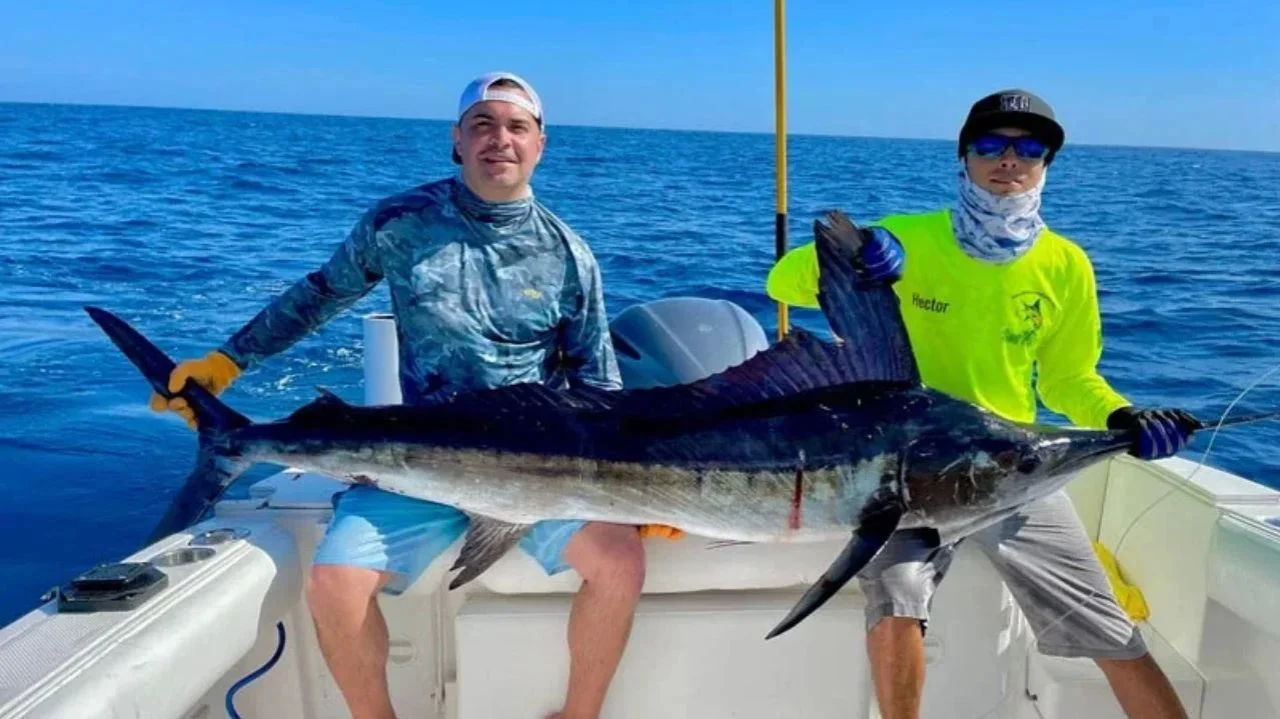
Planning a fishing expedition in Mexico's sportfishing capital requires more than enthusiasm—it demands strategic preparation. Los Cabos sits at the convergence of the Pacific Ocean and Sea of Cortez, creating one of Earth's most productive fishing grounds. This geographical advantage supports over 850 fish species, making it a bucket-list destination for anglers worldwide.
Booking the right charter transforms a vacation into an unforgettable adventure. Yet many travelers struggle with choosing between hundreds of operators, understanding seasonal patterns, and avoiding common pitfalls. This guide cuts through the noise, providing actionable strategies to secure the best experience on the water while maximizing your investment.
Understanding Cabo's Fishing Seasons and Target Species
Cabo's year-round fishing calendar offers distinct opportunities depending on your target catch. Marlin season peaks from October through December, when striped, black, and blue marlin migrate through local waters in impressive numbers. Dorado (mahi-mahi) arrive in force from May through October, providing explosive surface action that thrills both novice and experienced anglers.
Tuna fishing remains consistent throughout the year, with yellowfin tuna weighing 100-300 pounds regularly caught 30-50 miles offshore. Wahoo fishing excels from November through March, while roosterfish—Cabo's iconic inshore species—patrol beaches and rocky points from April through October. Understanding these patterns helps you align your trip dates with your fishing priorities.
Water temperature shifts drive these migrations. Summer months bring warmer currents that attract baitfish schools, which in turn draw predators. Winter cooling concentrates gamefish in specific zones, often requiring longer runs but yielding trophy catches. Experienced captains track these movements daily, adjusting strategies based on real-time conditions rather than calendar dates alone.
Selecting the Right Charter Type for Your Group
Charter options range from shared pangas to luxury sportfishers, each serving different needs and budgets. Shared charters accommodate 2-4 anglers on vessels typically 28-31 feet, offering economical access to prime fishing grounds. These trips work well for solo travelers or couples willing to fish alongside others.
Private charters provide exclusive use of the boat, allowing your group to set the pace and target species. Vessels range from 31-foot cruisers to 60-foot sportfishers equipped with fighting chairs, outriggers, and advanced electronics. Larger boats handle rough seas better and reach distant fishing grounds faster, but command premium rates of $800-$3,000+ per day depending on size and amenities.
When evaluating cabo fishing charters , consider your group's experience level. First-time anglers benefit from patient crews on mid-sized boats where everyone receives individual attention. Serious sportfishers targeting billfish should prioritize boats with proven tournament records and captains who specialize in technique-intensive fishing like live-baiting or kite-fishing for marlin.
Booking Strategies That Save Money Without Sacrificing Quality
Advance booking secures better rates and guarantees availability during peak seasons. December through April sees heavy demand from North American visitors escaping winter, often requiring reservations 2-3 months ahead. Summer months offer discounted rates—sometimes 20-30% lower—while still providing excellent fishing for dorado, tuna, and roosterfish.
Direct booking through charter company websites typically costs less than third-party booking platforms that add commission fees. Many operators offer package deals for multi-day trips, reducing the per-day cost by 10-15%. Ask about "fill-in" rates for last-minute availability on shared charters, which can drop to half the standard price when boats need additional anglers.
Verify what's included before committing. Reputable charters provide fishing licenses, quality tackle, bait, ice, and fish cleaning. Some include lunch and beverages, while others charge separately. Understanding the complete cost structure prevents surprise charges. Request references from recent clients or check independent review platforms for unfiltered feedback about specific boats and crews.
Essential Pre-Trip Preparation and What to Bring
Physical conditioning matters more than most travelers anticipate. Fighting large gamefish in tropical heat demands stamina. Even moderate cardiovascular fitness makes the experience more enjoyable and increases your chances of successfully landing trophy fish. Start preparing 4-6 weeks before your trip if you're not regularly active.
Pack strategically for comfort and sun protection. Long-sleeve UV-protection shirts, wide-brimmed hats, polarized sunglasses, and reef-safe sunscreen (required in Mexican marine parks) form your essential kit. Seasickness medication should be taken the night before and morning of your trip—waiting until symptoms appear reduces effectiveness significantly.
Bring a quality camera or smartphone in a waterproof case to document your catches. Most charters photograph trophy fish before release, but having your own equipment ensures you capture the moments that matter. A small dry bag protects electronics and valuables from spray and splashing. Cash tips for the crew (typically 15-20% of the charter cost) should be prepared in advance, as card readers aren't always available on boats.
Maximizing Your Fishing Success on Charter Day
Arrive at the marina 15-20 minutes early to meet your crew, stow gear, and discuss the day's game plan. Experienced captains appreciate anglers who communicate their priorities clearly—whether that's targeting a specific species, catch-and-release fishing, or keeping fish for dinner. This conversation shapes the entire strategy.
Listen to your crew's instructions regarding technique and safety. Professional mates have rigged thousands of baits and landed countless fish. Their guidance on hook-setting timing, fighting angles, and rod positioning dramatically increases landing percentages. Ego-driven anglers who ignore crew advice consistently lose more fish than those who trust the process.
For those pursuing billfish, understanding release techniques before hooking up prevents injury to both fish and anglers. Marlin fishing Cabo requires specific skills in wire handling and bill-grabbing that crews will demonstrate. Conservation-minded practices ensure these magnificent fish populations remain healthy for future generations while still providing the thrill of the catch.
Understanding Pricing and Value Indicators
Charter pricing reflects multiple factors beyond boat size. Fuel costs significantly impact rates, particularly for offshore trips targeting tuna or wahoo 40-60 miles from port. Newer boats with modern electronics, updated tackle, and comfortable amenities command higher rates but often justify the premium through better catch rates and overall experience.
Captain and crew quality represents the most critical value factor. A skilled captain reads water conditions, locates fish efficiently, and adapts tactics throughout the day. Experienced crews rig baits perfectly, maintain equipment meticulously, and provide patient instruction. These intangibles matter more than boat size for most anglers. Research crew tenure—teams working together for multiple seasons develop the coordination that separates good trips from exceptional ones.
Beware of suspiciously low rates that often indicate hidden costs or substandard equipment. Quality charters in Cabo typically start around $500-600 for smaller boats on half-day trips, scaling upward based on boat size, trip duration, and season. Operators charging significantly below market rates may cut corners on tackle quality, bait freshness, or safety equipment—compromises that diminish your experience and potentially create hazards.
Frequently Asked Questions
What's the best time of year for first-time visitors to book a fishing charter in Cabo?
Late spring through early fall (May-September) offers the most consistent action for beginners. Dorado fishing peaks during these months, providing exciting surface strikes and acrobatic fights that don't require advanced technique. Weather conditions remain calmer than winter months, reducing seasickness risk. Rates typically run 20-30% lower than high season, allowing you to book better boats within modest budgets.
How far in advance should I book my Cabo fishing charter?
For travel during December through April, book 60-90 days ahead to secure your preferred dates and boat. Popular tournament-winning vessels book even further in advance. Summer and fall trips can often be arranged 2-4 weeks out, though last-minute availability varies. Booking early also locks in rates before potential price increases and allows time to coordinate with other vacation activities.
Are fishing licenses included in charter costs?
Most reputable charters include Mexican fishing licenses in their rates. Confirm this detail when booking, as licenses cost approximately $20-30 per person if purchased separately. The charter company should handle all paperwork—you simply provide basic information. Fishing without a valid license in Mexican waters carries substantial fines, so verify coverage before departure.
Can I keep the fish I catch on a charter?
Yes, within legal limits. Most charters allow you to keep several fish for consumption, and many offer fish cleaning services or can arrange delivery to restaurants that will prepare your catch. Billfish (marlin, sailfish) are predominantly catch-and-release due to conservation efforts and their poor eating quality. Dorado, tuna, and wahoo provide excellent table fare and are commonly kept.
What happens if weather conditions are unsafe on my scheduled charter day?
Reputable operators prioritize safety over profits. If conditions exceed safe operating parameters, captains will postpone or cancel trips, typically offering full refunds or rescheduling options. Check cancellation policies when booking—quality charters provide flexible terms for weather-related cancellations. Some operators monitor forecasts days ahead and proactively contact clients about potential issues.
Do I need fishing experience to book a charter in Cabo?
Absolutely not. Cabo charters welcome anglers of all skill levels, from complete novices to tournament veterans. Professional crews provide instruction on casting, hook-setting, and fish-fighting techniques. Many first-time anglers land impressive catches with proper guidance. Communicate your experience level when booking so the crew can tailor their approach and set appropriate expectations.
Conclusion
Booking the right fishing charter elevates your Cabo vacation from ordinary to extraordinary. Success hinges on matching your expectations with the appropriate vessel, timing your trip to align with target species migrations, and partnering with experienced crews who prioritize both safety and fish-finding. The investment in a quality charter pays dividends through memories that endure long after you've returned home.
Mexico's premier sportfishing destination continues attracting anglers because the fishing lives up to the hype when approached strategically. Whether you're pursuing your first dorado or hunting for a grander marlin, the waters surrounding Los Cabos deliver opportunities that few destinations can match. Proper preparation and informed booking decisions ensure you'll experience the best these remarkable fisheries offer.