Why Architectural Design Is More Than Just How a Building Looks
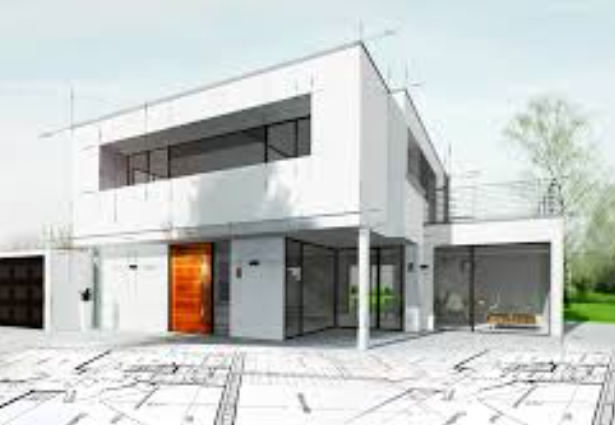
Architectural Design: More Than Just Curb Appeal
If you think Architectural Design is mainly about how pretty a building looks from the street, you’re not alone. A lot of people stop at façades, colours, and that one feature wall they saw on Instagram and decided they “must have.”
But here’s the real intent of this article, stated clearly and without the usual fluff: Architectural Design is about how a building works, feels, performs, and survives long after the initial wow-factor fades.
This post is for Australians planning a home, renovation, or commercial build who want to understand why good architectural design affects costs, comfort, approvals, energy use, and daily life, not just curb appeal. We’ll unpack what architectural design actually does, where people misunderstand it, and why skipping or underestimating it usually comes back to bite later. Gently. But expensively.
Quick Overview: Architectural Design at a Glance
Architectural Design is not just aesthetics. It’s the strategic planning of how a building:
- Functions day to day
- Responds to climate and site conditions
- Meets regulations and approvals
- Controls cost and construction risk
- Supports human behaviour, comfort, and movement
Good architectural design balances form and function. Bad design looks great in photos and feels annoying to live or work in.
Bottom line: If a building looks good but overheats, leaks sound, wastes energy, or constantly needs fixing, the design failed.
Want to see what really sits behind architectural design decisions? Keep reading.
What Architectural Design Actually Covers (Spoiler: A Lot)
Architectural design starts long before drawings look polished and continues well past “final plans.” It’s a layered process that solves problems before they become structural, financial, or legal headaches.
Core Elements of Architectural Design
- Spatial planning: how rooms relate to each other
- Orientation: where the sun, wind, and shade hit the building
- Structural logic: how the building stands up efficiently
- Material selection: durability, maintenance, and suitability
- Compliance: building codes, planning rules, accessibility
Notice how “looks nice” isn’t even first on the list.
Bold truth: Architectural design is decision-making disguised as creativity.
Why Looks Alone Are a Terrible Measure of Good Design
Let’s talk about the danger of judging architecture like a social media post.
A building can:
- Photograph beautifully
- Win design awards
- Impress visitors for five minutes
…and still be frustrating to use every single day.
Common “Looks-Only” Design Failures
- Living rooms that bake in summer
- Kitchens with no functional storage
- Offices with echoing acoustics
- Homes that need lights on all day
- Beautiful staircases that are unsafe or impractical
These aren’t construction problems. They’re architectural design problems that were never properly thought through.
Did You Know? In Australia, poor orientation alone can increase household energy costs significantly over the life of a home. That’s not a design trend issue. That’s physics politely punishing bad decisions.
Architectural Design and How We Actually Use Buildings
Buildings aren’t sculptures. People live, work, argue, cook, sleep, and age inside them. Architectural design is supposed to support all of that.
Human-Centred Design Matters
Good architectural design considers:
- Daily routines
- Privacy vs connection
- Noise movement
- Light quality throughout the day
- Accessibility over time
If a space constantly feels awkward, the design missed something important.
This is especially relevant in Australia, where homes often need to handle:
- Open-plan living without becoming echo chambers
- Indoor–outdoor flow without heat loss
- Multi-generational living
- Work-from-home flexibility
None of that is solved by exterior styling alone.
Climate, Context, and Australian Reality
Architectural design in Australia has one job it cannot ignore: climate response.
Climate-Smart Design Is Not Optional
Australia deals with:
- Harsh sun
- Heatwaves
- Sudden weather changes
- Diverse climate zones
Good architectural design:
- Uses orientation to control heat
- Positions openings for cross-ventilation
- Designs shading, not just glass
- Reduces reliance on mechanical cooling
Bad design fights the climate and then sells you air conditioning as a solution.
That’s not innovation. That’s surrender.
Cost Control Starts With Design, Not Construction
One of the biggest myths is that architectural design makes projects more expensive. In reality, poor or rushed design is what causes budget blowouts.
How Architectural Design Controls Costs
- Resolves issues before construction
- Minimises variations
- Improves material efficiency
- Aligns design intent with buildability
Changes on paper are cheap. Changes on site are not.
Bold statement: Every dollar saved during construction usually started as a good design decision.
Architectural Design and Approvals (The Part Everyone Forgets)
Planning approvals, building codes, accessibility standards, bushfire regulations. These are not optional side quests.
Architectural design integrates compliance early so you don’t:
- Redesign late
- Delay approvals
- Resubmit documentation
- Argue with consultants halfway through the process
Good design anticipates constraints instead of reacting to rejection letters.
Quick Guide: When Architectural Design Makes or Breaks a Project
The Situation
You’re planning a build or renovation. You want it to look good, but you also don’t want ongoing problems, rising costs, or approval delays.
Common Challenges
- “Why does this space feel smaller than expected?”
- “Why are we constantly adjusting the layout?”
- “Why did approvals take so long?”
Practical Ways Architectural Design Helps
Start With Function First
Design around how the space will be used daily, not how it will photograph.
Design With Climate in Mind
Orientation and shading should lead decisions, not follow them.
Resolve Complexity Early
The more complex the project, the more design clarity matters upfront.
Think Long-Term
Good design considers how needs change over time, not just at move-in.
Why It Works
When architectural design is treated as a problem-solving phase, not a styling exercise, projects run smoother, cost less to fix, and age better.
Interactive Quiz: Is Your Focus on Design in the Right Place?
Answer honestly. This isn’t being marked.
- I prioritise layout and usability over external appearance.
- Yes / No
- I’ve considered how the building performs in summer and winter.
- Yes / No
- I know how the design affects approvals and compliance.
- Yes / No
- I’m thinking about how I’ll use this space in 10 years.
- Yes / No
More “Yes” answers? You’re thinking like someone who understands architectural design.
Mostly “No”? That’s fine. That’s why this article exists.
FAQs: Architectural Design Explained Further
Is architectural design only necessary for large projects?
No. Even small renovations benefit from proper design thinking. Complexity doesn’t scale linearly with size.
Can good architectural design save money?
Yes, particularly by reducing construction changes, improving energy efficiency, and avoiding compliance issues.
Is architectural design the same as drafting?
No. Drafting documents decisions. Architectural design creates and tests them.
Does modern architectural design suit all Australian homes?
Modern principles can be adapted to many contexts. Good design responds to place, not trends.
Conclusion: Architectural Design Is the Invisible Backbone
Architectural design is more than how a building looks because looks fade, but function, comfort, and performance stay with you every day. In Australia’s climate, regulatory environment, and lifestyle, good design protects your investment, your comfort, and your sanity.
A well-designed building doesn’t announce itself. It just works. And when architecture works quietly in the background, that’s not accidental. That’s good design doing its job.