How Legal DNA Testing Helps Resolve Family and Legal Disputes
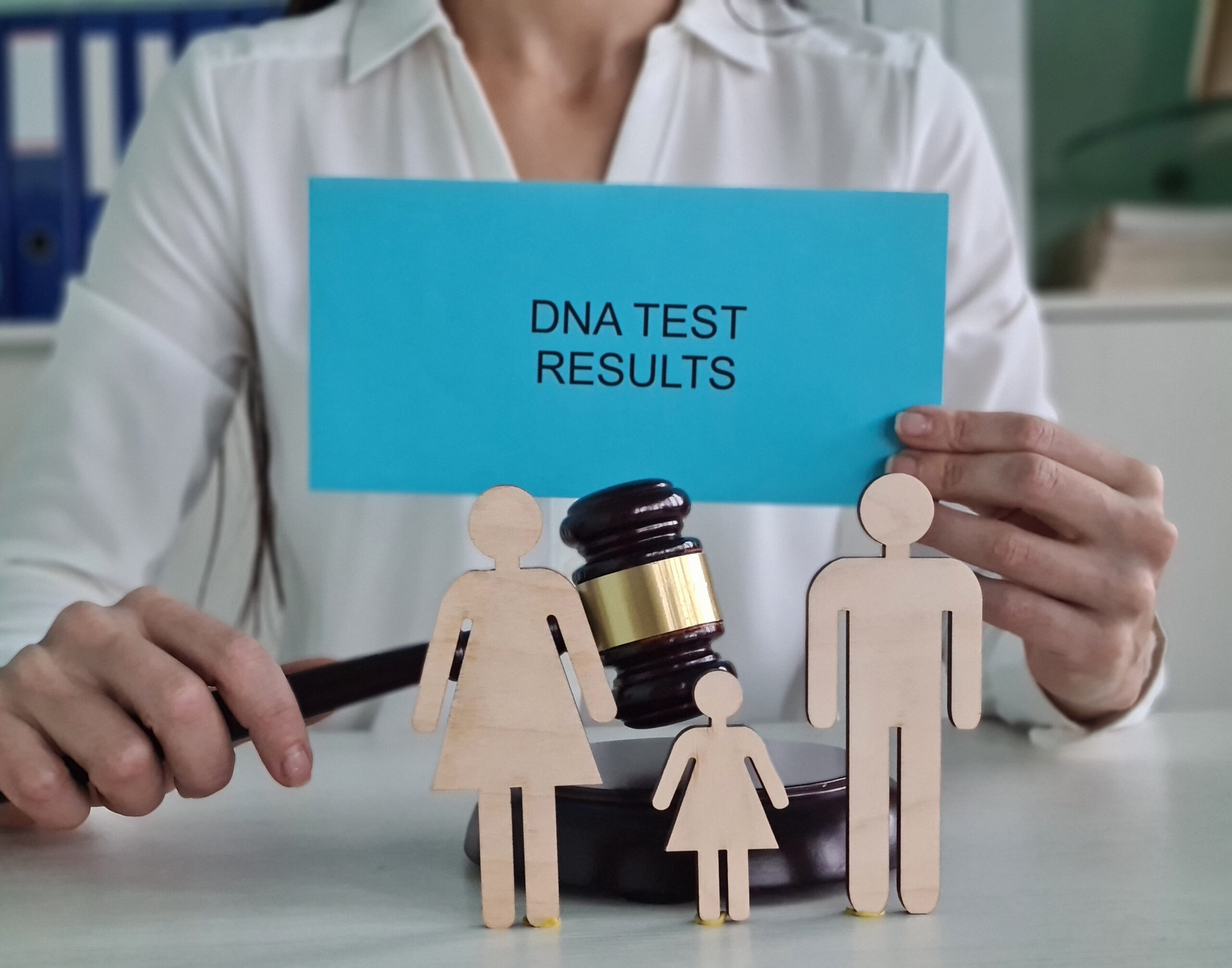
Often legal disputes and cases involving families need more than opinions and personal records. Reliable scientific evidence makes a huge difference in determining family issues. No matter whether the controversy has to do with paternity, inheritance issues, immigration, or family-related matters, DNA testing has earned recognition as one of the most helpful means of establishing kinship connections. Nevertheless, it should be taken into account that not every DNA test can be used for legal purposes.
Legal DNA testing involves special collecting methods and documenting processes to be applied in legal proceedings. This article highlights the process of legal DNA testing and the cases when it has to be applied, as well as explains differences between this type of testing and other types of genetic testing, including DNA paternity testing and relationships testing.
What Is a Legal DNA Test?
A legal DNA examination involves completing an officially documented trail of custody. This is done to ensure that the details of the identity of every participant in the test and the quality of every sample are valid. Legal DNA testing involves identity checking, sample taking with supervision, and safe documentation.
Due to the well-defined process of legal DNA testing, the results of the tests went mainstream and are accepted as credible proof by many institutions from the immigration services up to different types of legal courts. .
Legal DNA testing is commonly used for:
- Child custody cases
- Child support disputes
- Birth certificate amendments
- Immigration applications
- Probate and inheritance matters
- Court-ordered family disputes
How a DNA Paternity Test Supports Legal Decisions
One of the most commonly used legal DNA processes is the DNA paternity test. This involves the comparison of genetic markers from the alleged father and the alleged child to determine if there is a biological relationship between the two parties.
When conducted by an approved laboratory, the DNA paternity test can provide a result confirming paternity at a level which is higher than 99.9% or exclude paternity with high confidence.
However, the legal acceptance is influenced by more factors than laboratory accuracy. Courts require that the evidence provides proof of the following:
- The correct individuals provided the samples.
- Identity was verified before collection.
- Samples remained secure throughout testing.
- Chain-of-custody procedures were properly followed.
These safeguards help ensure confidence in both the scientific findings and the legal process.
When Is a Relationship DNA Test Needed?
Not every family question can be answered through parent-child testing. Sometimes a parent is unavailable because they are deceased, cannot be located, or cannot participate.
In these situations, a relationship DNA test may help determine biological connections between:
- Siblings
- Grandparents and grandchildren
- Aunts or uncles
- Nieces or nephews
- Other close relatives
Relationship testing is often used in immigration matters, inheritance claims, adoption cases, and family reunification efforts. Although the statistical analysis differs from a direct parent-child comparison, accredited laboratories use validated methods to provide reliable relationship assessments.
Choosing the Right Type of DNA Test
Understanding the purpose of your test can help you avoid unnecessary delays or repeat testing.
Informational DNA Testing
Designed for personal knowledge and family curiosity. Results are generally not intended for legal proceedings.
Legal DNA Testing
Required when results may be presented in court or used by government agencies. This testing follows strict chain-of-custody procedures and identity verification.
If you're uncertain which option is appropriate, speaking with an accredited laboratory before scheduling your appointment can help ensure you choose the correct test from the beginning.
Common Misconceptions About Legal DNA Testing
Myth: Every DNA test can be used in court.
Fact: Only a legal DNA test that follows documented collection and identification procedures is generally accepted for legal purposes.
Myth: Legal DNA testing is more accurate than informational testing.
Fact: The laboratory analysis may be equally accurate, but legal testing includes additional safeguards to verify identities and preserve the integrity of the evidence.
Myth: Relationship DNA testing is only used when paternity is uncertain.
Fact: A relationship DNA test can also help confirm sibling, grandparent, or other biological relationships when direct parent testing is unavailable.
Choosing a Reliable DNA Testing Laboratory
The quality of a DNA test depends on more than advanced technology. Selecting an accredited laboratory helps ensure accurate analysis and legally recognised procedures.
When evaluating providers, look for:
- Laboratory accreditation
- Secure sample handling
- Identity verification
- Transparent reporting
- Experienced customer support
- Legal chain-of-custody services
Established providers, including Choice DNA, explain the differences between a legal DNA test, a DNA paternity test, and a relationship DNA test, helping individuals choose the most appropriate option for their circumstances.
Conclusion
Statements made regarding families and legal matters need solid, scientifically accurate responses. A legal DNA test provides a reliable genetic analysis and a documented procedure for sample collection that allows the test results to be used for legal purposes.
Whatever kind of legal situation you might find yourself in, whether you need a paternity test or any kind of relationship DNA test, one of the most important steps you can take is to choose a reputable laboratory. Before arranging for the DNA testing procedure, you should read more about DNA testing and chain-of-custody.
I'm impressed by the detailed explanation of legal DNA testing and its various applications, especially in establishing kinship connections. This is definitely a valuable resource for those navigating complex family disputes. 💡📊👍