Understanding Plastic CNC Machining: Benefits, Applications, and When to Use It
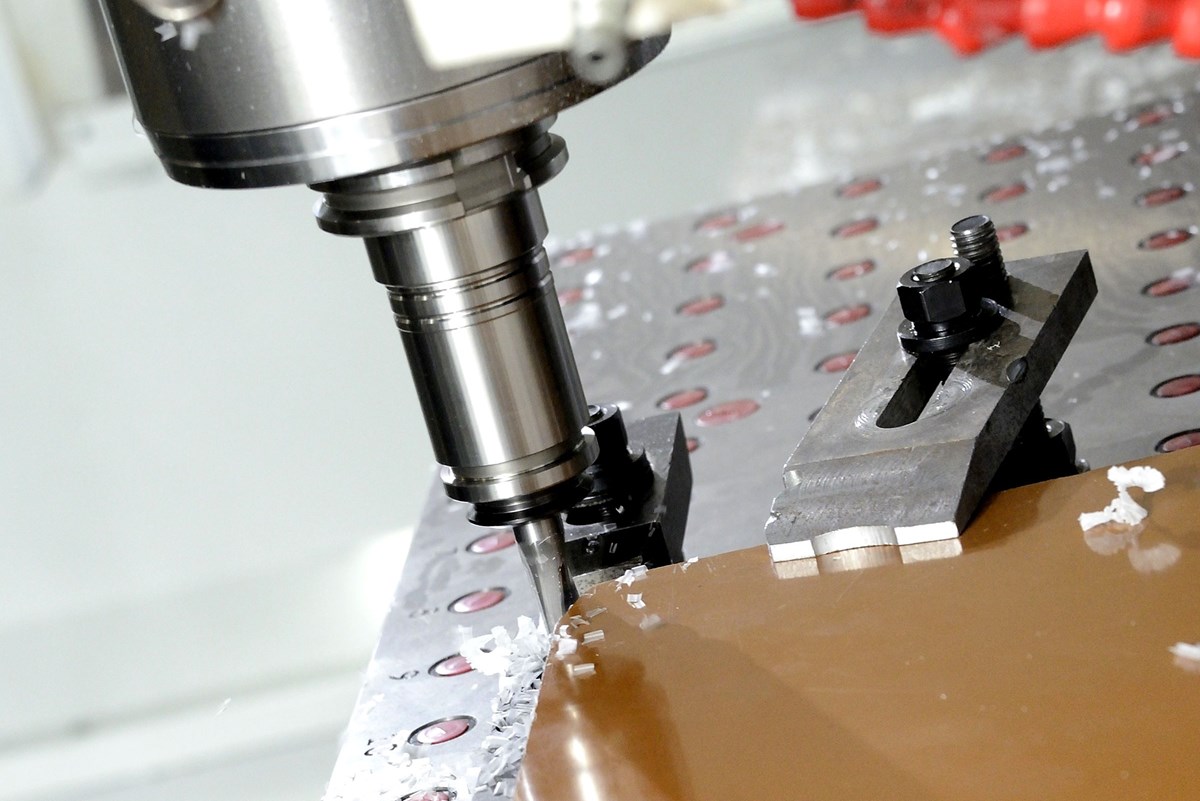
Modern manufacturing relies on a variety of technologies to create precise, durable, and cost-effective components. Among these technologies, Plastic CNC Machining has become a valuable solution for producing high-quality plastic parts across numerous industries. From prototyping and product development to low-volume production and specialized industrial applications, CNC machining offers exceptional accuracy and flexibility when working with plastic materials.
As companies seek efficient and reliable Production Methods, plastic CNC machining continues to gain popularity due to its ability to produce complex parts with tight tolerances and consistent quality. Understanding how this process works and when it is most effective can help manufacturers, engineers, and product designers choose the right approach for their projects.
What Is Plastic CNC Machining?
Plastic CNC Machining is a manufacturing process that uses computer-controlled cutting tools to shape plastic materials into finished components. CNC stands for Computer Numerical Control, meaning machines follow digital instructions to perform precise cutting, drilling, milling, and shaping operations.
Unlike additive manufacturing methods such as 3D printing, CNC machining is a subtractive process. Material is removed from a plastic workpiece until the desired shape is achieved. This approach allows for excellent dimensional accuracy and smooth surface finishes.
The process is commonly used when precision, repeatability, and material performance are critical requirements.
Common Plastic Materials Used in CNC Manufacturing
A major advantage of CNC Manufacturing is its compatibility with a wide range of plastic materials. Different plastics offer unique mechanical and chemical properties, making them suitable for various applications.
Popular materials include:
- ABS (Acrylonitrile Butadiene Styrene)
- Acrylic (PMMA)
- Delrin (Acetal)
- Nylon
- Polycarbonate
- PEEK
- HDPE (High-Density Polyethylene)
- PVC
Advantages of Plastic CNC Machining
One reason Plastic CNC Machining remains popular is its ability to deliver several important manufacturing benefits.High Precision
Modern CNC machines can achieve extremely tight tolerances, making them ideal for producing complex and highly detailed components. This level of Precision Machining is essential for industries where accuracy directly affects product performance.Excellent Surface Finish
Machined plastic components often require minimal post-processing. Smooth surfaces and precise edges can be achieved directly from the machining process, reducing finishing costs and production time.Material Flexibility
Because CNC machining supports numerous plastic materials, manufacturers can choose options that best match their mechanical and environmental requirements.Rapid Production
For prototypes and small production runs, CNC machining often provides faster turnaround times compared to tooling-intensive manufacturing processes.Consistent Quality
Computer-controlled equipment ensures repeatability across multiple parts, helping maintain consistent production standards.Applications of Plastic Parts
The versatility of machined plastics has led to widespread adoption across many industries. Plastic Parts produced through CNC machining can be found in products ranging from consumer electronics to industrial machinery.Common applications include:
Medical Devices
Medical equipment often requires lightweight, chemically resistant, and highly accurate components. CNC-machined plastics are frequently used for housings, instrument parts, and diagnostic equipment.
Aerospace Components
The aerospace industry values plastics for their lightweight properties and resistance to corrosion. Machined plastic components help reduce overall system weight while maintaining performance.
Electronics
Plastic enclosures, connectors, insulating components, and protective covers are commonly manufactured using CNC processes.
Automotive Applications
Many automotive systems utilize machined plastic parts for interior components, housings, and specialized functional assemblies.
Industrial Equipment
Factories and production facilities often rely on custom plastic components for machinery, automation systems, and processing equipment.
When Should You Use Plastic CNC Machining?
While CNC machining offers many benefits, it is not always the best solution for every project. Understanding when to use it helps optimize cost and production efficiency.
Prototyping
One of the most common uses of Plastic CNC Machining is prototype development. Engineers can quickly create functional models to evaluate designs before moving into mass production.
Low-Volume Production
For limited production runs, CNC machining often eliminates the need for expensive molds or tooling. This makes it highly cost-effective for specialized products and niche markets.
Complex Geometries
When parts require intricate features, precise dimensions, or detailed machining operations, CNC technology provides excellent results.
High-Performance Requirements
Certain applications require engineering-grade plastics with specific strength, temperature resistance, or chemical compatibility. CNC machining allows these materials to be processed accurately.
Comparing CNC Manufacturing to Other Production Methods
Various Production Methods are available for manufacturing plastic components, and each offers distinct advantages.
Injection molding is highly efficient for large production volumes but requires significant upfront tooling investment. 3D printing offers design flexibility but may not achieve the same level of material performance or dimensional accuracy as CNC machining.
In contrast, CNC Manufacturing excels when precision, material quality, and lower production quantities are priorities. It often serves as an ideal bridge between prototyping and large-scale manufacturing.
Factors That Influence Production Quality
Several factors affect the quality of machined plastic components.
Material selection is critical, as different plastics respond differently to cutting forces and heat. Machine calibration, tooling quality, cutting speeds, and operator expertise also play important roles.
Successful Precision Machining requires careful planning to ensure dimensional accuracy, surface quality, and efficient production.
Conclusion
As manufacturing technologies continue to evolve, Plastic CNC Machining remains one of the most reliable methods for producing accurate and durable plastic components. Its ability to support a wide variety of materials, achieve exceptional Precision Machining, and deliver consistent results makes it a valuable solution across many industries.
Whether creating prototypes, custom Plastic Parts, or low-volume production runs, CNC Manufacturing offers flexibility and efficiency that many other Production Methods cannot match. By understanding its capabilities and applications, manufacturers can make informed decisions that improve product quality, reduce costs, and streamline production processes.
I appreciate the detailed explanation of plastic CNC machining and its applications. Your content will surely help readers like me better understand when to use this valuable manufacturing solution 🤖💻