Building Neighborhood Resilience with the Right Home Backup Power Solutions
When the power goes out, it’s more than an inconvenience. It’s a vulnerability. A single household with a flickering candle is isolated; a neighborhood with a network of reliable backup power is resilient. The growing frequency and intensity of weather events, alongside an aging grid, have shifted backup power from a luxury for a few to a critical component of community preparedness for many.
Building neighborhood resilience isn't about every home having an industrial generator. It’s about a strategic mix of the right home backup power solutions that match needs, budgets, and risks. This collective capability means neighbors can keep medications refrigerated, power medical devices, maintain communication, and share resources during an outage. The right solution creates a buffer that protects individual families and, by extension, strengthens the entire community fabric.
This guide examines how to assess needs, compare technologies, and implement systems that do more than just keep the lights on—they build local capacity to weather the storm, literally and figuratively.
Why Neighborhood Resilience Starts at Home
Community-wide resilience plans often focus on municipal resources like emergency shelters and first responders. While vital, these resources can be overwhelmed during widespread events. The first line of defense is actually the home. When individual households are prepared, pressure on shared resources decreases, and the community's overall capacity to cope increases exponentially.
Consider a 48-hour outage after a severe storm. A neighborhood where 70% of homes have some form of backup power can maintain sump pumps to prevent basement flooding, keep freezers running to preserve food, and power routers to stay informed. This reduces the number of families needing emergency shelter, allows people to check on vulnerable neighbors, and prevents secondary disasters like food spoilage or water damage. The preparedness of individual homes directly contributes to the stability and recovery speed of the whole block.
Assessing Your Household's Core Power Needs
Before investing in any system, a clear assessment separates essential needs from desirable comforts. This ensures you select a system with adequate capacity without overspending on unnecessary output.
Critical Loads vs. Convenience Loads
Critical loads are devices that affect health, safety, and security. Typically, these include:
● Refrigeration: A refrigerator/freezer (150-800 watts running).
● Medical Equipment: CPAP machines (30-60 watts), oxygen concentrators (200-500 watts).
● Basic Communication & Lighting: Modems/routers (10-30 watts), phone chargers, and LED lights.
● Sump Pump or Well Pump: (500-1500 watts startup, 800-1500 watts running). These are high-draw items that dictate generator sizing.
Convenience loads include air conditioners, electric ranges, dryers, and entertainment systems. While important for comfort, they require significantly more power and often aren't sustainable for long-term backup on smaller systems.
Calculating Your "Wattage Budget"
Create a list of the critical items you must run simultaneously. Find their running watts and startup watts (surge) on their labels or manuals. Add the running watts for your planned simultaneous use. The backup system's running wattage rating must exceed this sum, and its surge capacity must handle the largest startup wattage. For example, a fridge (700W running, 2200W surge) plus a sump pump (1000W running, 2900W surge) and a few lights requires a system rated for at least 1700W running with a surge capacity over 2900W.
Comparing Backup Power Technologies and Fuels
The right technology depends on runtime needs, fuel availability, noise tolerance, and maintenance willingness.
Fuel-Powered Generators (Gasoline, Propane, Natural Gas):
● Pros: High power output, lower upfront cost per watt, long runtime with large fuel storage. Natural gas models connect to municipal lines for near-unlimited fuel.
● Cons: Require ventilation (never used indoors), produce exhaust and noise, need regular engine maintenance and stable fuel supply. Portable models require manual startup and connection via transfer cord.
Battery Power Stations (Solar Generators):
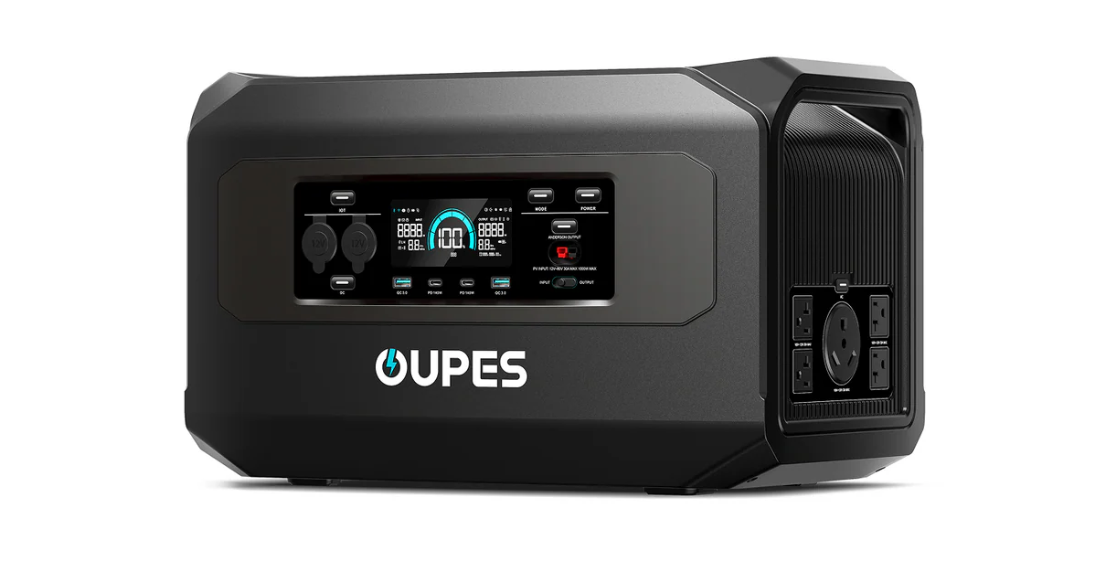
● Pros: Silent, zero emissions, safe for indoor use, virtually maintenance-free. They can be recharged via solar panels, creating a self-sufficient loop. Modern home backup power solutions like these offer clean power for electronics and medium-duty appliances.
● Cons: Higher cost per watt of storage, limited runtime per charge for high-draw appliances. Capacity is defined by watt-hours (Wh); a 1000Wh unit can run a 100W device for ~10 hours.
Integrated Solar + Battery Systems:
● Pros: Offer true energy independence when paired with rooftop solar. Can automatically power critical home circuits during an outage.
● Cons: Very high upfront investment, complex installation requiring professionals.
For most neighborhoods, a hybrid approach is practical: permanent standby generators for some homes, portable battery stations for others, creating a diverse and adaptable resilience network.
Strategic Implementation for Community Benefit
Choosing a system is the first step; deploying it thoughtfully amplifies its community value.
Communication and Planning: Neighborhood associations or social groups can host sessions to share knowledge on system selection, safe operation, and efficiency tips. Knowing which neighbors have systems capable of powering a medical device or charging multiple phones is invaluable during a crisis.
Resource Sharing Protocols: Establish simple, pre-agreed protocols. For instance, homes with whole-house generators could offer outlet access for neighbors to recharge battery packs or run a small fridge for a few hours. Those with OUPES portable power solutions can easily transport power to a neighbor in need for short-term medical device support or lighting.
Fuel and Recharge Strategies: For fuel-dependent systems, a community bulk fuel purchase agreement can ensure supply. For solar-charged batteries, identifying common areas with good sun exposure for recharging stations can be helpful. Diversity in power sources (gas, propane, solar, battery) protects against any single point of failure, like a regional gasoline shortage.
Safety as a Collective Responsibility: Ensure everyone understands critical safety rules: never running a fuel generator in a garage or near windows, using proper heavy-duty outdoor-rated extension cords, and installing carbon monoxide detectors. Community resilience is undermined if preparedness creates new risks.
Maintenance and Testing: Ensuring Readiness
A backup system that fails to start is worse than having none at all, creating a false sense of security. Regular maintenance is non-negotiable.
For fuel generators: exercise the unit under load for at least 30 minutes every month. Change oil and filters as specified. Stabilize fuel or implement a fuel rotation plan. For natural gas units, test the automatic transfer switch quarterly.
For battery power stations: perform a capacity test every 3-6 months by running a known load (like a lamp) and timing how long it lasts versus its rating. Keep batteries at a 50-80% charge for storage and recharge fully before a forecasted event. Clean solar panel surfaces if used.
Schedule a neighborhood "preparedness Saturday" where everyone tests their systems simultaneously. This normalizes the practice, allows for troubleshooting help, and provides a clear picture of the community's ready capacity.
Frequently Asked Questions
How much backup power does an average home need?
The "average" is misleading. Focus on your critical load calculation. For most families aiming to run a refrigerator, some lights, a fan, and charge devices, a system with 2000- 3000 running watts and adequate surge capacity is a common starting point. A portable power station with 1500-2000Wh can cover basics for 12-24 hours.
Can I power my entire house with a portable power station?
Typically, no. Most portable battery stations output 120V AC through standard household outlets but have limited capacity (watt-hours). They are excellent for specific devices, small appliances, and electronics, but cannot handle the simultaneous load of a central air conditioner, electric heater, or well pump for an extended period. They are perfect for targeted backup.
What's the difference between running watts and surge watts?
Running watts (or rated watts) is the continuous power the system can supply. Surge watts (or starting watts) is the extra power available for 2-3 seconds to start motor-driven devices like refrigerators, pumps, or power tools, which require a burst of energy to overcome initial inertia. Your system must meet both requirements.
Is it safe to use a generator in the rain?
No. Water and electricity are a deadly combination. Generators must be operated on a dry surface under an open, canopy-like structure for ventilation, never indoors or in a garage. Use outdoor-rated, grounded extension cords to bring power into the home.
How long can a modern battery power station last?
Runtime depends entirely on the total watt-hours (Wh) of the battery and the wattage of the devices plugged in. Formula: (Battery Wh * 0.85 for efficiency loss) / Device Watts = Approximate Hours. A 1000Wh battery running a 50W CPAP machine would last roughly 17 hours. Recharging via solar panels can extend this indefinitely in sunny conditions.
Do I need an electrician to install a backup system?
For any system that connects directly to your home's electrical panel—like a standby generator with an automatic transfer switch—a licensed electrician is mandatory for safety and code compliance. For portable generators used with heavy-duty extension cords through a window, or for plug-and-play battery stations, professional installation is not required.
Conclusion
Building neighborhood resilience is a practical endeavor rooted in individual action and collective strategy. Selecting the right home backup power solution is the cornerstone. It moves preparedness from a vague concept to a tangible asset, ensuring that when the grid fails, the community doesn't.
The goal is not isolation but interconnectedness. By understanding our needs, choosing appropriate technologies, maintaining our equipment, and planning to share resources, we transform our homes into nodes of stability. This network of prepared households creates a resilient buffer that safeguards the most vulnerable and accelerates recovery for everyone. In the end, the right power solution does more than restore electricity—it reinforces the very connections that define a neighborhood.