Never Lose Your Ball Again: Why Every Golfer Needs a Custom Golf Ball Stamp
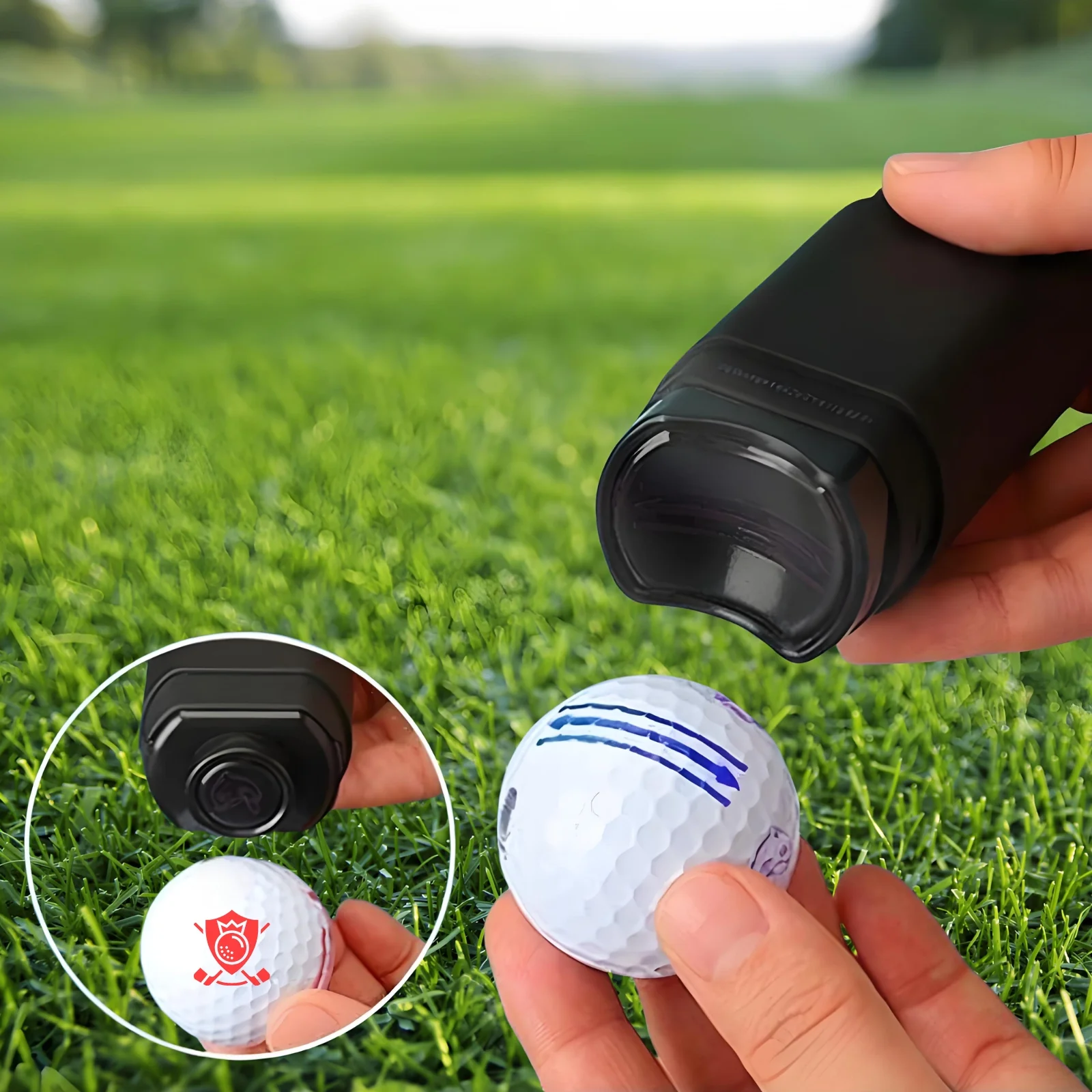
Every golfer has experienced that sinking feeling: watching your ball land in a promising spot, only to arrive and find three identical Pro V1s sitting within feet of each other. Which one is yours? The confusion wastes time, creates awkward conversations with playing partners, and sometimes costs you strokes when you can't definitively identify your ball.
This common frustration has a remarkably simple solution. Marking your golf balls with a distinctive identifier transforms your game experience, eliminating uncertainty and adding a professional touch to your equipment. The question isn't whether you should mark your balls—it's how to do it most effectively.
This article explores why marking your golf balls matters, how stamping outperforms other methods, and what makes this small investment one of the smartest decisions you'll make for your game.
The Real Cost of Unmarked Golf Balls
Golf balls aren't cheap. Premium models cost $4-5 each, meaning a dozen runs $50-60. Recreational golfers lose an average of 1.3 balls per round according to equipment surveys, while beginners can lose three or more. Over a season, that adds up to hundreds of dollars in lost equipment.
Beyond the financial hit, unmarked balls create practical problems. When you can't identify your ball in a group, you face a choice: take a penalty stroke and distance, or make an educated guess and risk playing the wrong ball—which carries a two-stroke penalty in stroke play or loss of hole in match play.
Tournament players know this reality well. The USGA Rules of Golf require you to identify your ball. If you can't, it's considered lost even if you're certain you found it. A distinctive mark isn't optional for competitive play—it's mandatory.
Why Traditional Marking Methods Fall Short
Most golfers start with a Sharpie, drawing dots, lines, or initials on their balls. This method works temporarily, but permanent markers fade quickly. Grass stains, moisture, and the friction of club impact wear away ink within a few rounds. You're left with smudged, barely visible marks that defeat the original purpose.
Some players use colored dots or stickers. These peel off easily and can affect ball flight if placed incorrectly. Others draw elaborate designs, which takes time and still suffers from the same durability issues as simple marks.
The fundamental problem with hand-drawn marks is inconsistency. Your markings look different on each ball, making quick identification harder. When you're searching in the rough with four other players waiting, you need instant recognition—not a forensic examination of faded Sharpie strokes.
How Stamping Solves the Identification Problem
A custom golf ball stamp applies permanent, professional-quality marks that last the life of the ball. The stamped impression sits in the ball's surface, protected from wear. Unlike surface marks, stamped identifiers remain crisp and visible through dozens of rounds.
The process takes seconds per ball. Apply ink to the stamp, press firmly against your ball, and you've created a permanent identifier. Most golfers stamp their initials, but you can customize with logos, symbols, or unique designs that make your ball unmistakable at a glance.
Consistency matters more than you might think. When every ball in your bag carries the same distinctive mark, your brain learns to recognize it instantly. You'll spot your ball from across the fairway, eliminating those frustrating searches where you examine five different balls before finding yours.
Professional Appearance and Personal Branding
Beyond practical benefits, stamped balls project professionalism. When you pull out equipment with consistent, clean markings, you signal attention to detail. Business golfers use this to their advantage, stamping company logos or personal brands on their balls.
This isn't vanity—it's smart networking. Your playing partners notice details. A well-marked ball with a professional stamp creates a positive impression and often sparks conversation. It's a subtle way to reinforce your brand during those four hours on the course.
Preventing Disputes and Speeding Up Play
Golf etiquette demands pace of play. Searching for balls and resolving identification disputes slows everyone down. When you're confident in your ball identification, you make faster decisions and keep the group moving.
Consider a common scenario: two players hit similar balls into the same area. Without clear markings, you're both examining balls, trying to remember exactly what yours looked like. With a personalized golf ball stamp , you walk up, spot your distinctive mark, and play on. The time savings compound over 18 holes.
Disputes over ball ownership create uncomfortable moments. Nobody wants to accuse a playing partner of taking their ball, but it happens when identification is unclear. Distinctive stamped marks eliminate this awkwardness entirely. Your mark is obvious, non-negotiable, and impossible to confuse with standard factory markings.
Tournament and Competitive Play
Serious competitive golfers stamp their balls without exception. USGA and R&A rules require positive identification, and tournament officials expect to see distinctive markings. Some tournaments even require players to declare their ball markings before teeing off.
In professional events, you'll notice every ball carries unique identifiers. Pros stamp numbers, initials, and sometimes additional symbols to ensure absolute certainty. If tour players—who have caddies helping identify balls—still stamp them, recreational golfers certainly should.
Psychological Benefits of Ball Ownership
There's an underappreciated mental aspect to playing marked balls. When you've personalized your equipment, you develop a stronger connection to it. You're more likely to commit to shots, trust your reads, and play with confidence.
This isn't superstition—it's psychology. Ownership creates investment. A stamped ball with your mark feels like yours in a way a generic ball from the bag doesn't. That subtle shift in mindset translates to better focus and decision-making.
Players who stamp their balls also report being more conscious of ball selection. You're less likely to grab a scuffed or damaged ball when each one carries your personal mark. This attention to equipment quality directly impacts performance.
Cost Analysis: Investment vs. Return
Quality stamps range from $15-40 depending on customization options. A single stamp will mark hundreds of balls over years of use. Compare this to the cost of lost balls—if stamping helps you find just two balls per season that you would have otherwise abandoned, it pays for itself.
The return extends beyond direct savings. Time saved searching for balls, disputes avoided, and penalties prevented all contribute value. For competitive players, a single prevented penalty stroke could mean the difference in tournament placement and prize money.
Most golfers who invest in stamping wonder why they waited so long. The immediate improvement in ball identification and the professional appearance make it one of those small upgrades that delivers outsized benefits.
Choosing the Right Stamp Design
Effective stamps balance visibility with simplicity. Your initials work well for most situations. Three letters create a distinctive pattern that's easy to spot but doesn't clutter the ball's surface.
Some players add symbols—stars, arrows, or simple shapes—alongside initials. This works particularly well if you play with someone who shares your initials. The symbol provides additional differentiation without complicating the design.
Avoid overly complex designs that become difficult to recognize quickly. Remember, you're often identifying your ball from several feet away, sometimes in rough or partial shade. Bold, simple marks outperform intricate designs for practical use.
Frequently Asked Questions
Does stamping affect ball performance?
No. Stamped marks sit in the surface dimples and don't alter aerodynamics. Professional testing shows no measurable difference in flight characteristics between stamped and unstamped balls. The impression is too shallow to affect spin or distance.
How long do stamped marks last?
A properly applied stamp lasts the entire usable life of the ball. The mark wears only when the ball's cover wears. You'll typically replace balls due to scuffs or performance degradation long before the stamp fades.
Can I stamp used balls I already own?
Absolutely. Stamping works on any ball regardless of age or condition. Many golfers stamp their entire inventory when they first get a stamp, creating consistent identification across all their equipment.
What ink should I use for stamping?
Permanent stamp ink designed for non-porous surfaces works best. Most stamp manufacturers recommend specific inks that bond well with urethane and ionomer covers. Standard office stamp pads don't provide adequate durability.
Is stamping legal in tournament play?
Yes. USGA and R&A rules explicitly allow ball identification marks. In fact, distinctive marking is encouraged and sometimes required for competitive play. Just ensure your mark doesn't exceed the ball's specifications for weight or size.
Should I stamp in multiple locations?
One clear stamp is sufficient for identification. Some players add a second mark on the opposite side for redundancy, but this isn't necessary. A single well-placed stamp provides all the identification you need while keeping the ball looking clean.
Conclusion
The frustration of lost balls and identification disputes has a straightforward solution. Stamping creates permanent, professional marks that last through every round, every weather condition, and every trip into the rough. The small investment delivers immediate returns in saved time, prevented penalties, and recovered equipment.
Beyond practical benefits, stamped balls reflect the attention to detail that separates serious players from casual ones. Whether you're competing in tournaments or enjoying weekend rounds with friends, distinctive ball identification improves your experience. The question isn't whether marking matters—it's whether you're ready to stop losing balls and start playing with the confidence that comes from knowing exactly which ball is yours.
I've struggled with this issue too, but marking my balls with a custom stamp has saved me so much time and stress on the course - it's a game-changer! 🏌️💡