The Radiance of Nature: Celebrating the Sunflower
There are few sights in the natural world as instantly uplifting as a field of sunflowers (Helianthus annuus). With their towering stalks and vibrant, golden crowns, they do more than just add beauty to a landscape—they are a masterclass in botanical brilliance.
Nature’s Solar Trackers
The name Helianthus is derived from the Greek words helios (sun) and anthos (flower). This is a fitting title, as these plants exhibit a phenomenon known as heliotropism. Young sunflowers track the sun’s movement across the sky from east to west throughout the day.
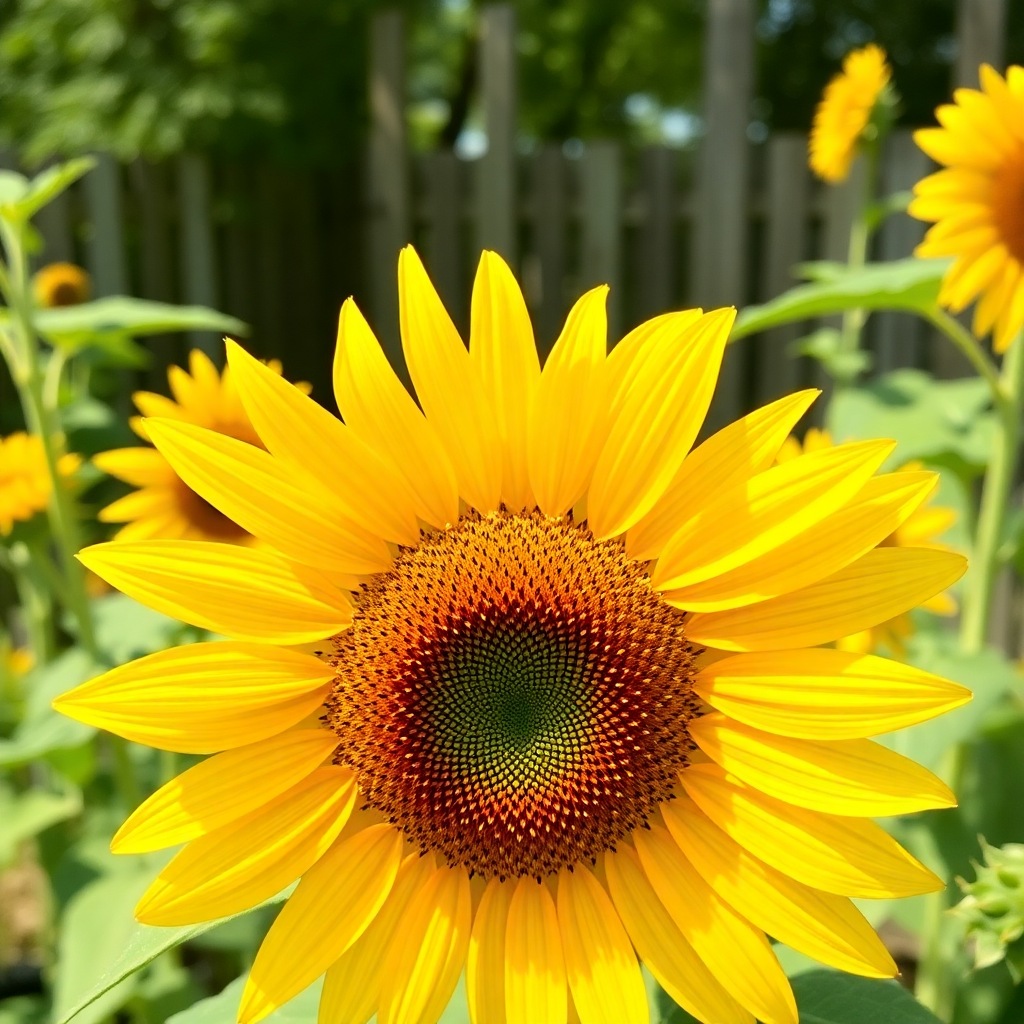
By maximizing their exposure to sunlight, they optimize their growth and prepare for the energy-intensive process of seed production. Once they reach maturity, their heavy heads typically face east, waiting to greet the morning sun.
More Than Just a Pretty Face
Beyond their aesthetic appeal, sunflowers are workhorses of the ecosystem. They are vital for pollinators, providing a rich source of nectar for bees and butterflies. For humans, they are a treasure trove of utility.
From the protein-packed seeds used in snacks to the oil extracted for cooking and skincare, the sunflower serves as a versatile crop. Furthermore, they are celebrated in phytoremediation—the ability of their roots to absorb toxins, such as lead and radiation, from contaminated soil.
A Symbol of Positivity
In the language of flowers, the sunflower represents longevity, adoration, and loyalty. Their ability to turn toward the light serves as a powerful metaphor for resilience and optimism.
Whether you are planting them in your backyard to brighten a fence line or simply admiring them in a bouquet, the Helianthus annuus reminds us to keep our faces toward the light.
Next time you pass a field of these golden giants, take a moment to appreciate the intricate geometry of their florets and the quiet, persistent energy they bring to the earth. They are, quite simply, sunshine in botanical form.