The Timeless Charm of Sweet William: A Garden Classic
If you’re looking for a flower that blends old-world romance with reliable performance, look no further than Dianthus barbatus, better known as Sweet William. A staple in cottage gardens for centuries, this plant has earned its place in the hearts of gardeners—and the petals of poets—thanks to its striking appearance and heady, clove-like fragrance.
A Splash of Color
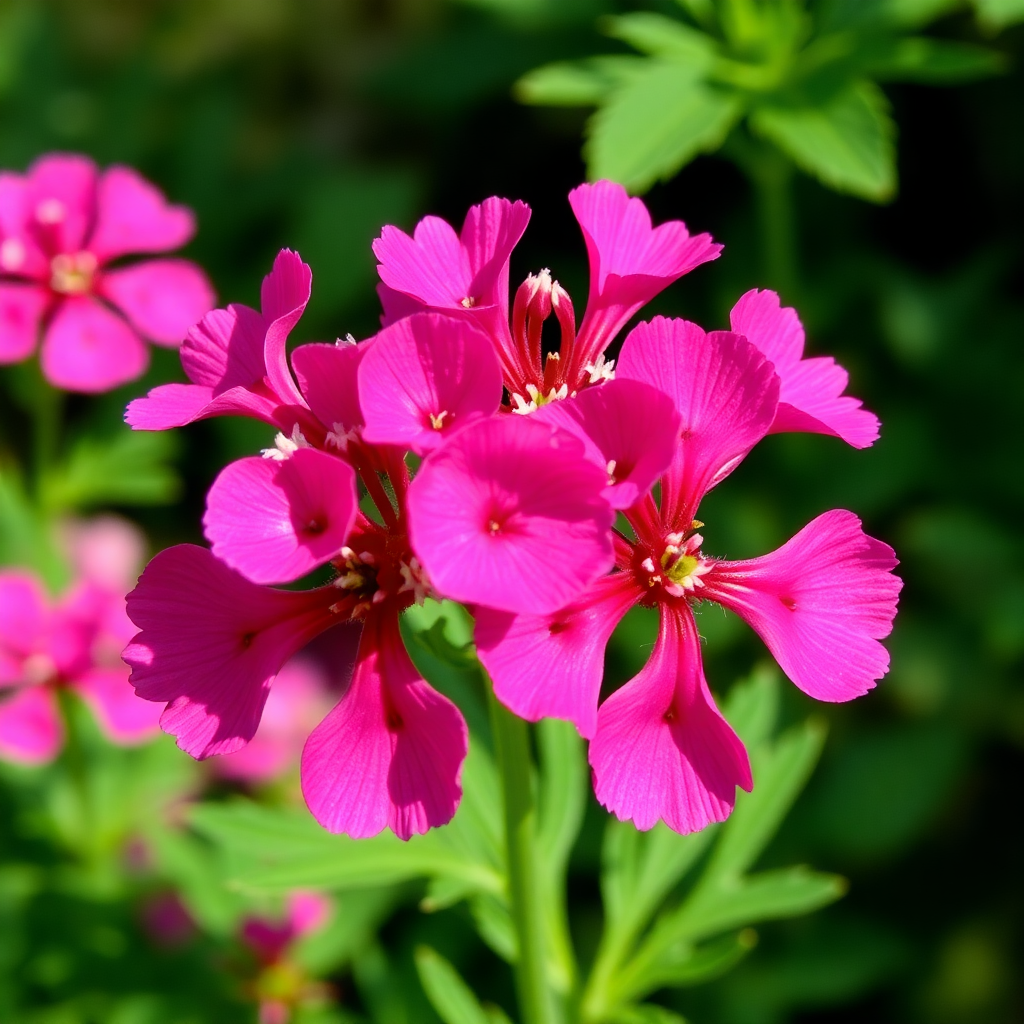
Sweet William is celebrated for its dense, rounded clusters of flowers. These blooms come in an array of vibrant shades, ranging from velvety deep reds and purples to soft pinks, pure whites, and even bi-colored patterns that look as though they’ve been hand-painted.
Their unique, fringed petals give the flowers a delicate, ruffled appearance that adds texture to any border or container garden.
Growing for Success
Often grown as a biennial, Sweet William spends its first year establishing a lush, grass-like mound of foliage. In its second year, it sends up sturdy stalks crowned with those signature, fragrant blossoms. While many varieties are biennials, there are modern hybrids that can act as short-lived perennials, providing you with joy for several seasons.
To keep them happy, plant your Sweet Williams in a spot that receives full sun to light shade. They thrive in well-drained, slightly alkaline soil. One of the best perks of this plant is its resilience; it is generally hardy and deer-resistant, making it a low-stress choice for hobbyist gardeners.
Bringing Them Indoors
Sweet William isn’t just for viewing outside. These flowers are quintessential cut flowers. Their sturdy stems and long vase life make them perfect for casual bouquets. Snip a few clusters to bring inside, and you’ll enjoy that spicy, sweet scent throughout your home.
Whether you are planting them to attract pollinators or simply to add a nostalgic touch to your landscape, Sweet William remains a garden classic that never goes out of style.