The Timeless Elegance of Camellias: Winter’s Floral Crown
When the rest of the garden succumbs to the grey slumber of winter, the Camellia emerges as a defiant, sophisticated beauty. Often referred to as the "Rose of Winter," these exquisite shrubs are a staple for any gardener looking to maintain color and structure during the coldest months of the year.
A Legacy of Beauty
Native to Eastern and Southern Asia, Camellias have been cultivated for centuries, beloved not only for their stunning blooms but also for their historical and cultural significance.
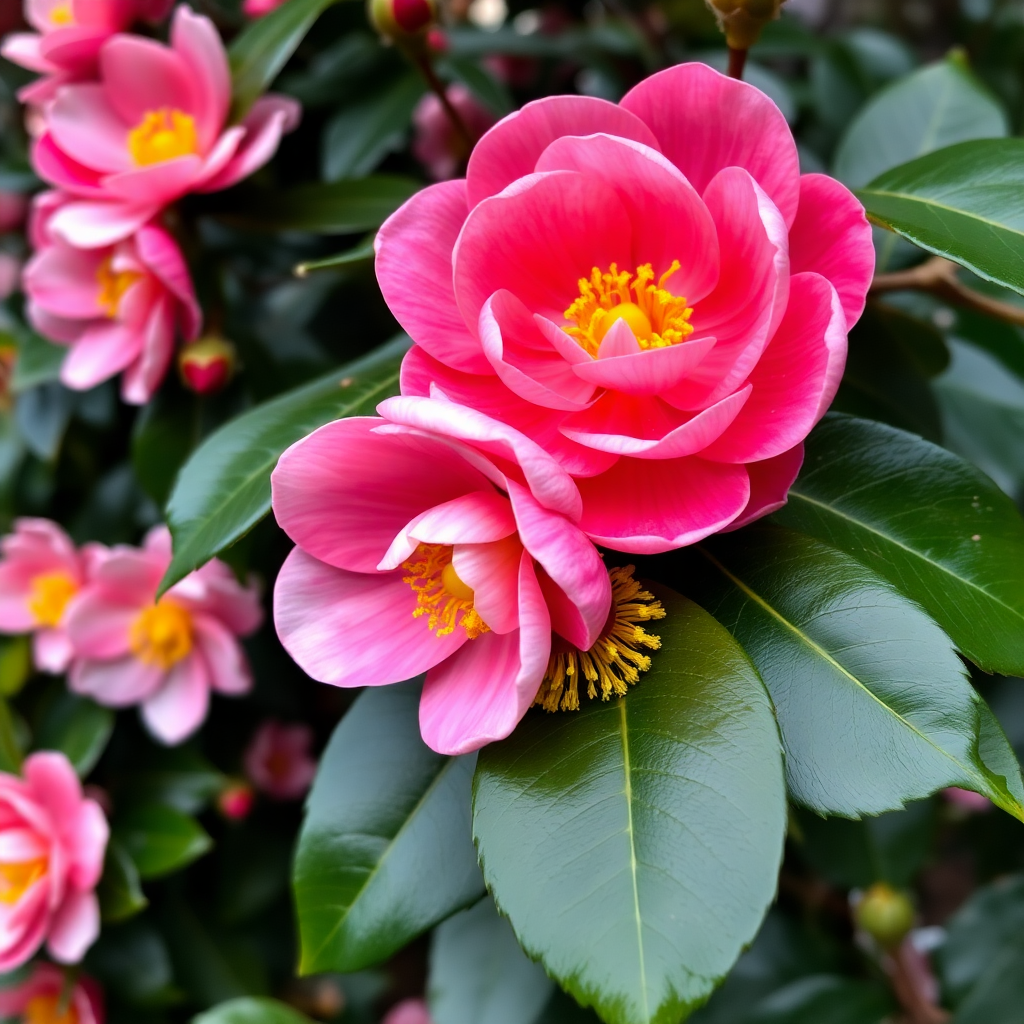
Most notably, the Camellia sinensis is the plant from which we derive all true tea. Beyond the teacup, however, ornamental varieties like Camellia japonica and Camellia sasanqua are prized for their waxy, evergreen foliage and their impeccably symmetrical flowers.
Why Every Garden Needs One
The true magic of the Camellia lies in its timing. While tulips and peonies demand the warmth of spring, the Camellia provides a breathtaking display when color is most sparse—from late autumn through early spring.
Their blossoms range from delicate, ethereal whites and soft, romantic pinks to deep, regal crimsons. Whether they are single-petaled with golden centers or dramatic, multi-layered doubles, they possess a refined aesthetic that few other plants can rival.
Cultivation Tips
Camellias thrive in partial shade and prefer acidic, well-draining soil rich in organic matter. Because they are woodland plants, they appreciate mulch to keep their shallow roots cool and moist.
With the right location—protected from harsh, drying winds—these shrubs are incredibly long-lived, often serving as the centerpiece of a landscape for generations.
Whether you are looking to brighten a shady corner or add a touch of timeless elegance to your backyard, the Camellia is an investment in beauty. Quiet, sturdy, and undeniably graceful, they are the perfect companions for the winter garden.