Ancient Methods of Healing: What Buddhism and Traditional Indian Practices Can Still Teach Us
Modern medicine has transformed human health. It has dramatically reduced deaths from infectious diseases, made surgery safer than ever before, and provided treatments for countless conditions that once had no cure. Yet despite these advances, many people continue to struggle with stress, anxiety, burnout, loneliness, and a persistent sense that something is missing.
Long before neuroscience and psychology became scientific disciplines, thinkers in ancient India devoted their lives to understanding the human mind. Rather than focusing solely on physical illness, they explored suffering itself—why it arises, why it persists, and whether it can be reduced through disciplined practice.
Although these traditions developed in different historical and philosophical contexts, many of their practical techniques continue to attract interest today. Researchers have also begun studying some of these practices to understand their effects on attention, stress, emotional regulation, and overall well-being.
This article explores several of the most influential healing methods found in Buddhism and other Indian traditions. The goal is not to promote supernatural claims or replace modern medicine, but to examine what these practices may offer when understood through both historical and contemporary perspectives.
Healing Beyond the Body
Many ancient Indian traditions viewed health as extending beyond the absence of disease. A healthy life was thought to involve balance between the body, the mind, daily habits, relationships, and one's response to life's inevitable challenges.
In this view, emotional suffering often grows not only from external events but also from habitual patterns of thinking, reacting, and clinging to expectations. While external circumstances matter greatly, our interpretation of them also shapes our experience.
This idea remains surprisingly relevant in modern psychology, which recognizes that thoughts, emotions, and behaviors continuously influence one another.
The Buddhist Understanding of Suffering
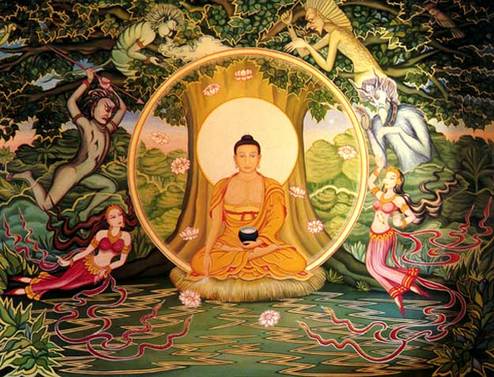
One of Buddhism's central insights is that suffering is a universal part of human existence. Rather than asking why bad things happen to certain people, Buddhism begins by acknowledging that everyone experiences aging, illness, loss, disappointment, and uncertainty.
However, Buddhism distinguishes between unavoidable pain and the additional suffering created by resistance, craving, fear, and attachment.
For example, losing a loved one naturally brings grief. But repeatedly replaying memories, wishing reality were different, or becoming consumed by anger toward the situation can prolong emotional distress far beyond the initial loss.
The Buddhist path focuses on understanding these mental habits rather than suppressing emotions.
Mindfulness: Training Attention
Mindfulness is perhaps the best-known Buddhist practice today.
Contrary to popular belief, mindfulness is not about "emptying the mind." Instead, it involves observing present-moment experience without immediately judging or reacting to it.
This may include noticing:
- Physical sensations
- Breathing
- Thoughts
- Emotions
- Sounds
- Bodily tension
Over time, mindfulness helps people recognize that thoughts and emotions constantly change. Anger rises and falls. Anxiety comes and goes. Joy appears and fades.
Learning to observe these changes can reduce the tendency to become overwhelmed by them.
Loving-Kindness Meditation
Another important Buddhist practice is loving-kindness meditation, traditionally called mettā.
Practitioners intentionally cultivate goodwill toward themselves and others by silently repeating phrases such as:
"May I be safe."
"May I be healthy."
"May I live with peace."
Gradually these wishes are extended to family, friends, strangers, and even difficult people.
Although this may sound simple, regularly practicing kindness can reduce hostility, self-criticism, and resentment while encouraging empathy and emotional resilience.
Breath as an Anchor
Breathing techniques have been used throughout Indian traditions for thousands of years.
Slow, steady breathing influences the autonomic nervous system and may help reduce stress by encouraging relaxation.
Even five minutes of calm breathing can help interrupt cycles of anxiety or emotional overwhelm.
Unlike many wellness trends, conscious breathing requires no equipment and can be practiced almost anywhere.
Yoga Beyond Exercise
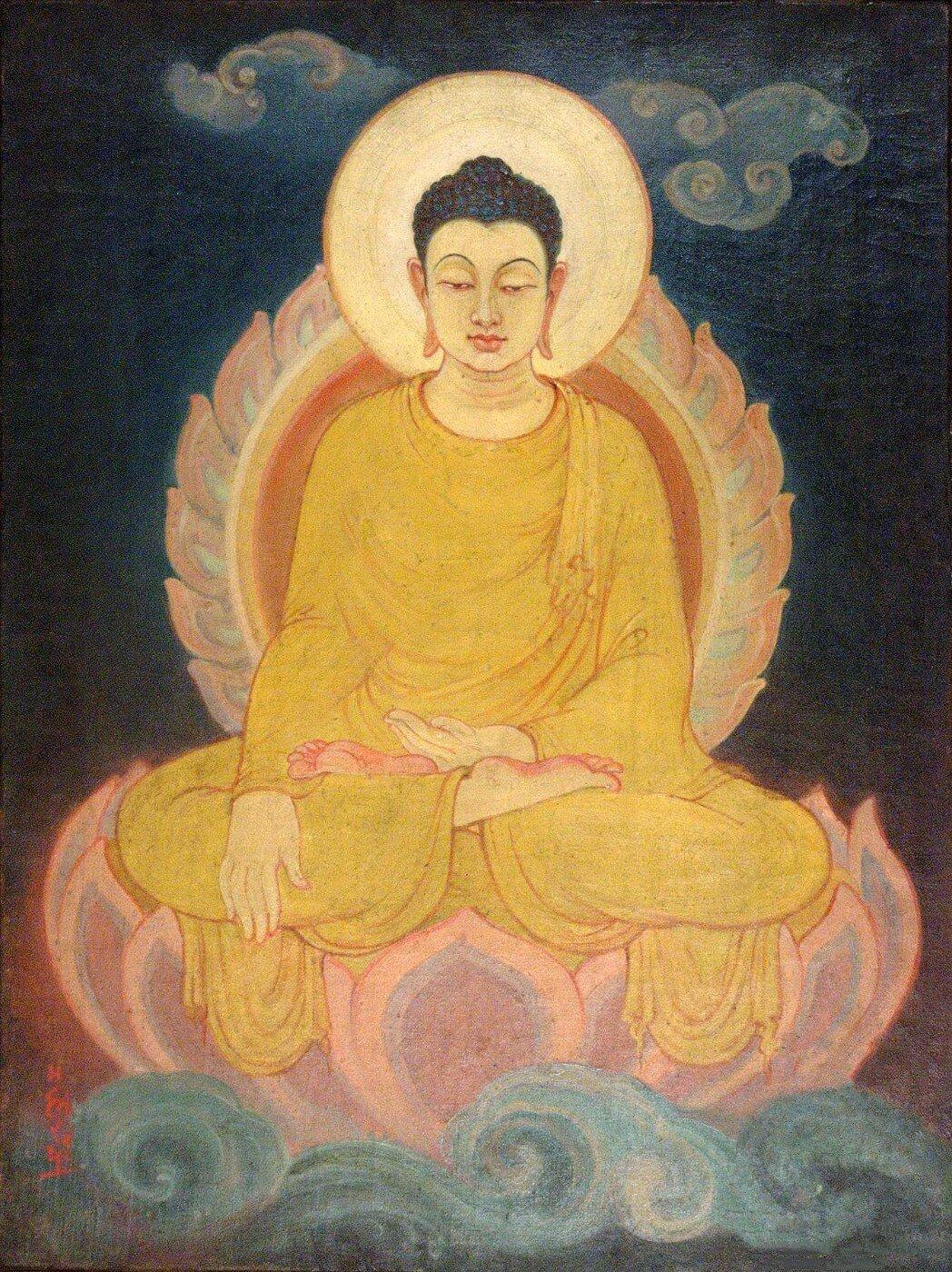
Modern yoga is often associated with flexibility and fitness, but classical yoga developed primarily as a system for cultivating mental discipline.
Physical postures were intended to prepare the body for extended periods of comfortable meditation.
Classical yoga also emphasizes ethical conduct, self-awareness, concentration, breathing practices, and meditation.
Seen in this broader context, yoga becomes less about athletic performance and more about developing stability of body and mind.
Daily Routine as Medicine
Traditional Indian systems such as Ayurveda place great importance on daily habits.
Regular sleep, balanced meals, physical movement, time outdoors, and predictable routines are believed to support overall well-being.
Modern research likewise suggests that consistent routines can improve sleep quality, mood, energy levels, and mental health.
While some Ayurvedic medical claims require stronger scientific evidence, its emphasis on lifestyle and prevention continues to resonate with many people.
Compassion Toward Yourself
One lesson shared across many contemplative traditions is that healing rarely occurs through constant self-criticism.
Many people speak to themselves more harshly than they would ever speak to a close friend.
Replacing self-condemnation with honest but compassionate self-reflection can create healthier motivation for change.
Compassion is not the same as avoiding responsibility. Instead, it means acknowledging mistakes while recognizing our shared human capacity to learn and grow.
Silence and Reflection
Modern life is saturated with notifications, advertisements, entertainment, and endless streams of information.
Ancient practitioners often emphasized periods of intentional silence.
Stepping away from constant stimulation—even for fifteen or twenty minutes each day—can create space for clearer thinking and emotional recovery.
Many people discover that some of their deepest insights arise not while consuming more information but while quietly observing their own minds.
Integrating Ancient Wisdom with Modern Science
It is important to avoid romanticizing the past.
Ancient traditions existed before modern microbiology, neuroscience, genetics, and evidence-based medicine. They should not replace professional medical treatment for physical or mental illness.
However, many contemplative practices developed over centuries continue to complement modern approaches to health.
Mindfulness is now studied in clinical psychology. Breathing exercises are used in stress management. Meditation is increasingly incorporated into therapeutic settings. Lifestyle interventions remain central to preventive medicine.
Rather than viewing science and ancient wisdom as opponents, it may be more productive to ask how each can contribute to a more complete understanding of human well-being.
Final Thoughts
Healing is rarely a single event. More often, it is a gradual process shaped by thousands of small choices—how we breathe, how we think, how we respond to setbacks, how we care for ourselves, and how we relate to others.
The traditions of Buddhism and ancient India remind us that while we cannot eliminate every source of pain, we can change our relationship to it.
Perhaps that is their most enduring lesson: genuine healing is not always about controlling the world around us. Sometimes it begins with learning to understand the world within us.
Whether you approach these teachings from a spiritual, philosophical, or purely practical perspective, they invite the same experiment: observe carefully, practice consistently, and see what changes through direct experience.
"Just as the great ocean has but one taste—the taste of salt—so too this Dhamma and Discipline has but one taste: the taste of liberation." — Gautama Buddha