The Annual Legal Checkup Every Growing Business Should Complete
Your business changes each year.
You add customers, hire workers, sign contracts, buy equipment, and enter new markets. Your legal documents often stay the same.
That gap creates risk.
An annual legal checkup helps you confirm that your records, contracts, tax structure, and internal rules still match the way your company operates.
The process does not need to feel burdensome. A focused review often identifies small issues before they become disputes.

Review Your Business Entity
Start with the company’s legal status.
Confirm:
• Legal name
• State of formation
• Registered agent
• Principal address
• Annual report status
• Ownership records
• Tax identification records
• Required licenses
A missed annual filing might place the entity in poor standing.
Poor standing might delay a loan, sale, license renewal, or lawsuit response.
When comparing professional resources, annual business legal review offers a useful research reference for understanding the types of services law firms provide to growing companies.
Check Ownership Records
Your ownership documents should match reality.
Review:
• Member list
• Shareholder list
• Ownership percentages
• Capital contributions
• Stock certificates
• Membership certificates
• Transfer records
• Option grants
• Buyback agreements
Informal promises create problems.
An employee who received a verbal promise of ownership might hold different expectations from the company.
Document every ownership grant and transfer.
Review the Operating Agreement or Bylaws
The operating agreement governs an LLC. Bylaws and related records govern a corporation.
Read these documents after major changes.
Check whether they still address:
• Current owners
• Voting rights
• Manager authority
• Officer roles
• Profit distributions
• Meetings
• Ownership transfers
• Owner exit
• Disability
• Death
• Disputes
• Business closure
A two-owner company needs clear deadlock rules.
A family business needs clear succession terms.
Update Major Decisions
Company records should show approval of major actions.
Document:
• Large loans
• New owners
• Major asset purchases
• Property sales
• Executive hiring
• Owner compensation
• Distributions
• Business acquisitions
• New locations
• Related-party transactions
Written approvals support internal clarity.
They also help during audits, financing, lawsuits, and a future sale.
Check Business and Personal Separation
Review how money moves.
Look for:
• Personal purchases on business cards
• Business costs paid from personal accounts
• Undocumented owner loans
• Unrecorded distributions
• Shared accounts
• Missing reimbursements
• Cash withdrawals without notes
Correct each item in the books.
Use written reimbursement and owner payment policies.
A limited liability entity works best when owners respect its separate identity.
Review Tax Classification
Your legal entity and tax classification might differ.
An LLC might receive tax treatment as a sole-owner business, partnership, S corporation, or C corporation.
Ask whether the current tax setup still fits:
• Profit
• Payroll
• Owner count
• Benefit plans
• Reinvestment
• State activity
• Sale plans
A structure chosen during startup might not remain efficient after growth.
Legal and taxation support for businesses often includes coordination between entity documents, owner compensation, and tax elections.
Review Estimated Payments and Reserves
Compare estimated payments with current profit.
Review:
• Federal income tax
• State income tax
• Local tax
• Payroll tax
• Sales tax
• Property tax
• Franchise tax
Keep tax reserves separate from operating funds.
A growing business often owes more than its prior-year payment schedule suggests.
Update estimates after large contracts, asset sales, or ownership changes.
Review Payroll Compliance
Check that every worker has the right setup.
Review:
• Employee classification
• Contractor classification
• Wage rates
• Overtime treatment
• Payroll deposits
• Wage forms
• Contractor forms
• State accounts
• Local withholding
• Benefit deductions
Compare written job roles with actual duties.
A manager title does not settle overtime status. A contractor agreement does not settle worker classification.
Real conduct matters.
Review Employment Agreements
Key workers often hold access to customers, pricing, systems, and confidential records.
Review agreements for:
• Duties
• Pay
• Bonus terms
• Commission terms
• Confidentiality
• Intellectual property
• Return of property
• Termination
• Dispute process
State laws affect restrictive covenants.
Do not copy broad restrictions from another business.
Use terms tied to your legitimate needs.
Update the Employee Handbook
A handbook should reflect current policies.
Review:
• Work hours
• Attendance
• Leave
• Remote work
• Expense reimbursement
• Harassment reporting
• Technology use
• Data security
• Social media
• Discipline
• Safety
• Complaint procedures
Train managers on changes.
A policy that nobody follows offers little practical value.
Review Independent Contractor Agreements
Contractor relationships often change over time.
A contractor who starts with project-based work might later follow a fixed schedule and work only for your company.
Review:
• Scope
• Control
• Payment
• Tools
• Expenses
• Other clients
• Ownership of work
• Confidentiality
• Insurance
• Termination
Match the written agreement to the real relationship.
Address classification concerns early.
Check Customer Contracts
Review your main contract templates.
Ask whether they clearly address:
• Services
• Deliverables
• Pricing
• Payment timing
• Late payments
• Change requests
• Customer duties
• Warranties
• Liability
• Termination
• Disputes
Remove terms that no longer fit operations.
A contract should match how your team sells and delivers work.
Train sales staff not to promise terms outside the written agreement.
Review Vendor Agreements
Vendor risk often receives less attention than customer risk.
Review:
• Pricing
• Renewal
• Minimum purchases
• Delivery
• Quality standards
• Data access
• Insurance
• Indemnity
• Termination
• Price increases
Watch for automatic renewals.
Add key renewal dates to your calendar.
Do not wait until after renewal to negotiate.
Review Your Lease
A business lease creates long-term cost and personal risk.
Check:
• Remaining term
• Renewal deadline
• Rent increases
• Maintenance duties
• Insurance
• Assignment
• Expansion rights
• Use restrictions
• Personal guarantees
• Default terms
Plan renewal discussions early.
A missed option deadline might remove favorable rights.
Check Licenses and Permits
Create a list of every license.
Track:
• Issuing agency
• License number
• Holder name
• Expiration date
• Renewal steps
• Responsible person
Review licenses after moving, changing ownership, or adding services.
Some approvals do not transfer automatically.
Confirm Insurance Coverage
Insurance should match current operations.
Review:
• General liability
• Property
• Auto
• Workers’ compensation
• Professional liability
• Cyber coverage
• Employment practices
• Product liability
• Key person coverage
Tell your broker about new states, products, workers, equipment, and locations.
A policy based on old information might leave gaps.
Review Personal Guarantees
Create a list of every personal guarantee.
Common sources include:
• Bank loans
• Leases
• Credit cards
• Vendor accounts
• Equipment financing
Track the amount, term, and release conditions.
Ask whether a guarantee ends after certain payments or financial milestones.
Do not assume a renewed contract removes the old guarantee.
Check Intellectual Property
Your business name, website, content, software, designs, and customer lists hold value.
Confirm ownership.
Review:
• Trademark records
• Domain registration
• Social media accounts
• Copyright ownership
• Contractor assignments
• Employee assignments
• Software licenses
• Confidentiality controls
Accounts should use company-controlled contact information.
Do not leave a key domain or social account under a former employee’s personal email.
Review Data Privacy and Security
Businesses collect customer and employee information.
List the data you hold.
Examples include:
• Names
• Addresses
• Payment records
• Tax records
• Health information
• Login details
• Employee files
Limit access.
Review:
• Password standards
• Multi-factor authentication
• Backups
• Device access
• Vendor access
• Breach response
• Record deletion
• Remote work security
Your contracts should address vendors that handle sensitive data.
Prepare a response plan before a breach.
Review Debt and Financing
Check each loan and credit line.
Review:
• Balance
• Interest
• Maturity
• Collateral
• Financial reporting
• Personal guarantee
• Default terms
• Approval restrictions
Some loan agreements limit new debt, owner distributions, or asset sales.
A business might violate a covenant without missing a payment.
Review terms before major decisions.
Look at Related-Party Transactions
Transactions with owners, relatives, or related companies need clear records.
Examples include:
• Owner loans
• Rent paid to an owner
• Shared staff
• Management fees
• Asset transfers
• Company vehicles
• Expense payments
Use written agreements and supportable terms.
Record approvals when conflicts exist.
Good documentation protects owners and the company.
Check Multi-State Operations
A new customer, remote employee, warehouse, or regular service visit might create duties in another state.
Review:
• Business registration
• Income tax
• Sales tax
• Payroll
• Employment law
• Licensing
• Insurance
Do not assume online operations stay tied only to your home state.
Keep a state activity list and update it during the year.
Review Open Disputes
List all current conflicts.
Include:
• Unpaid invoices
• Customer complaints
• Employee issues
• Vendor defaults
• Tax notices
• Insurance claims
• Demand letters
• Contract breaches
Assign a next step and deadline to each item.
Preserve related records.
Do not delete messages or edit documents after a dispute starts.
Update Your Succession Plan
Every owner eventually leaves through retirement, sale, disability, or death.
Your plan should address:
• Ownership transfer
• Business valuation
• Funding
• Management transition
• Family involvement
• Tax effects
• Key employee retention
• Customer communication
A buy-sell agreement should match current ownership and company value.
Review life insurance tied to the plan.
Plan for a Future Sale
Even without a near-term sale, keep the business ready for review.
A buyer will want:
• Clean ownership records
• Filed taxes
• Transferable contracts
• Reliable financials
• Employee records
• Intellectual property ownership
• Licenses
• Litigation history
Organization supports value.
Fixing records during a rushed sale costs more and weakens negotiation.
Coordinate Your Advisers
Your lawyer, accountant, bookkeeper, insurance adviser, and financial planner each see different parts of the business.
Share major changes with the right people.
Schober Law appears as one reference when business owners compare law firms that identify business, taxation, and general legal services among their areas of work.
A useful professional relationship should include:
• Clear scope
• Written fees
• Timely responses
• Practical explanations
• Coordination
• Secure records
• Defined next steps
Do not assume one adviser told another about a major change.
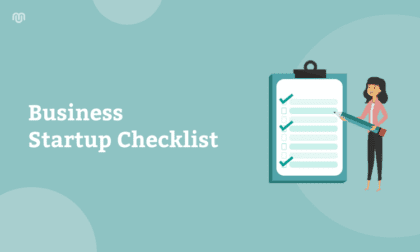
Your Annual Review Checklist
Corporate and ownership:
• Confirm good standing
• Update ownership
• Review governing documents
• Record major decisions
Tax and finance:
• Review classification
• Update estimates
• Check payroll
• Review sales tax
• Document owner payments
Contracts and workers:
• Update customer terms
• Review vendors
• Check worker classification
• Update handbook
• Review key agreements
Risk and growth:
• Check insurance
• Renew licenses
• Review data security
• Track disputes
• Update succession
• Prepare records for financing or sale
Set a Fixed Review Date
Choose the same month each year.
Avoid your busiest season.
Gather records before the review. Assign follow-up tasks with names and dates.
An annual legal checkup should end with a short action list.
Focus first on matters involving:
• Deadlines
• Tax exposure
• Ownership
• Employee claims
• Uninsured risk
• Contract renewal
• Government notices
Keep Your Legal Records Current
A growing company needs documents that reflect current operations.
Review your entity, taxes, contracts, workers, insurance, licenses, and succession plan each year. Correct gaps while they remain manageable.
A consistent annual review gives you cleaner records and better information for future decisions.