The Blurred Lines: Understanding the Definition and Boundaries of Censorship
In an era of instant global communication, the word "censorship" is frequently tossed around in political debates, social media disputes, and newsrooms. But what does it truly mean?
At its core, censorship is the suppression or prohibition of speech, public communication, or other information. It is the act of controlling what can be said, written, or viewed, typically exercised by those in positions of authority.
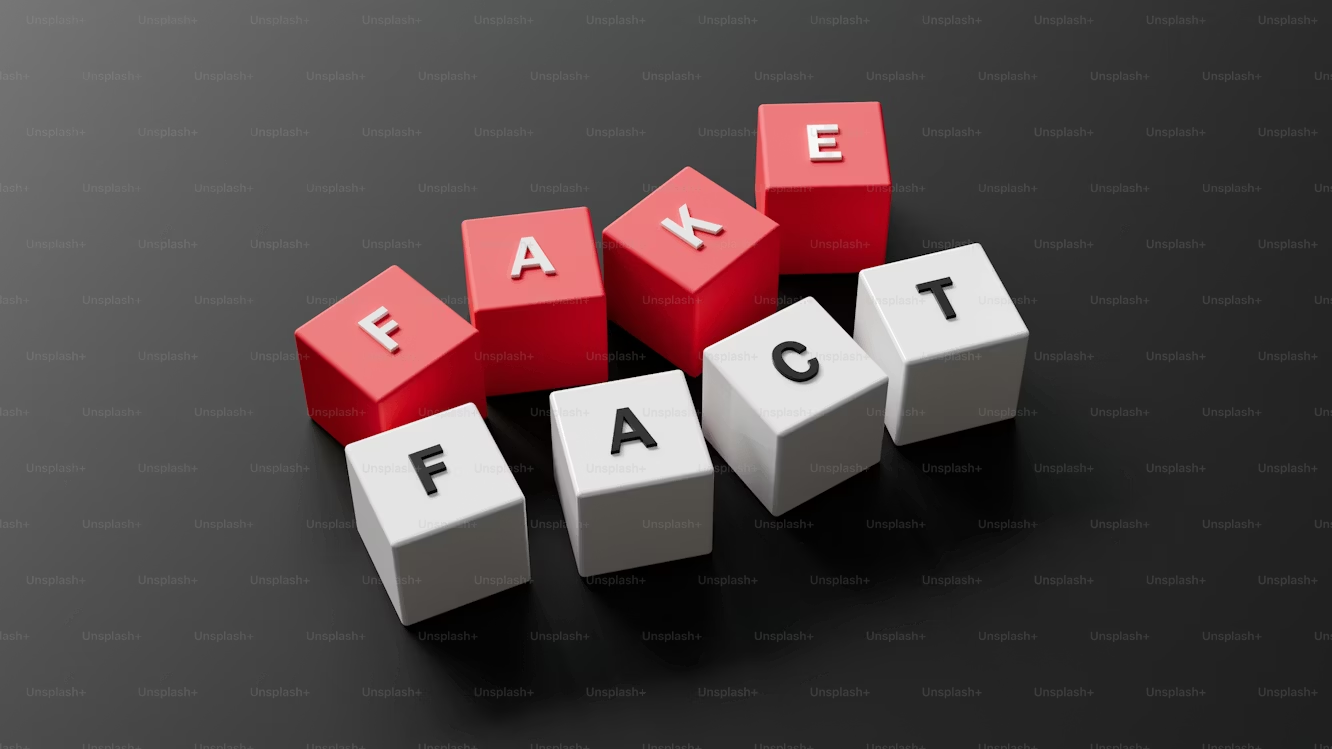
However, the definition often becomes murky when we discuss its boundaries.
The State vs. The Private Sphere
The most traditional form of censorship involves state action—governments banning books, silencing journalists, or shutting down access to the internet to maintain political control. This is a clear violation of democratic principles. Yet, the conversation shifts when we enter the private sphere.
When a social media platform removes content that violates its terms of service, is that censorship? Critics argue yes; however, from a legal standpoint, private companies are generally free to curate their own platforms. This distinction highlights the tension between the right to free expression and the right of organizations to moderate their communities.
Where is the Line?
The boundaries of censorship are usually defined by where we draw the line regarding harm. Most societies agree that "absolute" free speech is a myth. Nearly every legal system recognizes limitations: slander, libel, direct incitement to violence, and child exploitation are almost universally restricted. The debate, therefore, isn't about whether to censor, but where to set the threshold.
When we over-censor, we risk creating an echo chamber that stifles intellectual curiosity and progress. When we under-censor, we risk allowing disinformation and hate to destabilize the social fabric.
Ultimately, navigating the boundaries of censorship requires a delicate balance. It asks us to protect the marketplace of ideas without surrendering the safety and integrity of the public square. Balancing these rights is perhaps the defining challenge of our digital age.
Upvoted! Thank you for supporting witness @jswit.