The Echoes of Empire: Understanding the Legacy of Colonialism in the Modern World
Long after the flags of empires were lowered and the colonial administrations dismantled, the world remains profoundly shaped by the structures built during the era of European expansion. To look at the modern globe—its borders, its economies, and its social hierarchies—is to see the enduring imprint of colonialism.
At its core, colonialism was a project of extraction and reconfiguration. It didn’t just occupy land; it reorganized societies to serve the interests of the metropole. Today, this legacy is most visible in the global economic disparity.
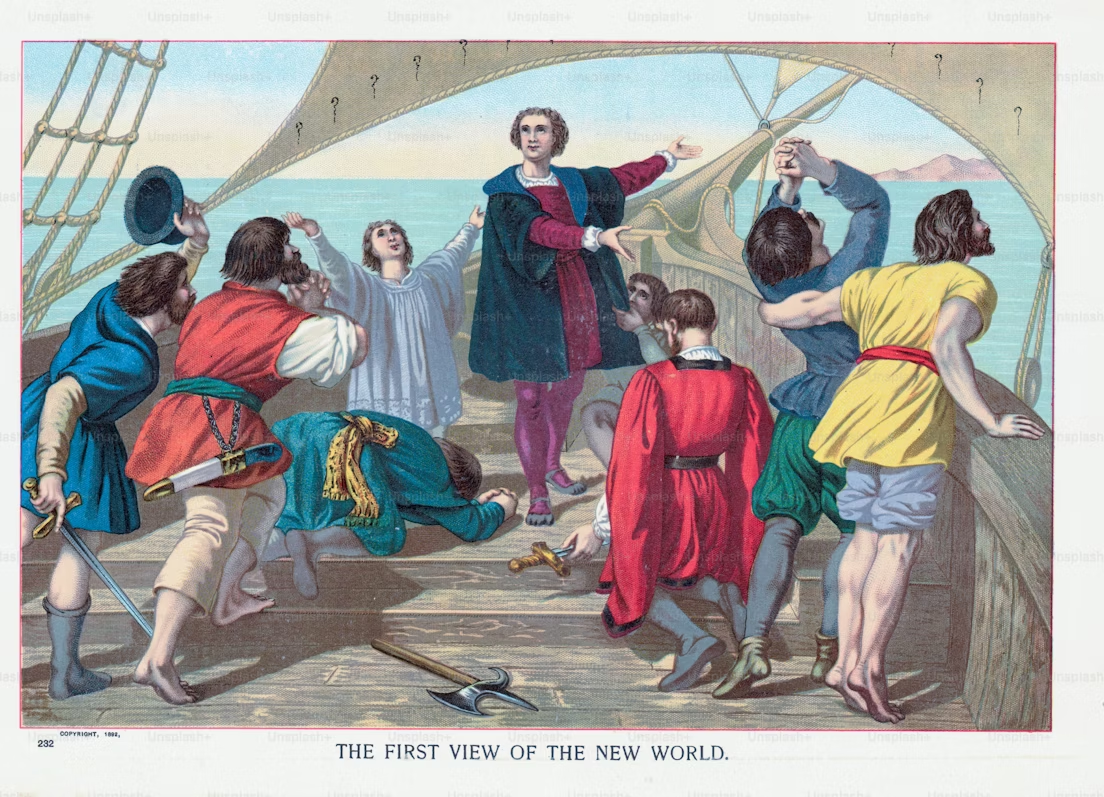
Many resource-rich nations in the Global South find themselves locked in trade cycles that favor industrialized nations, a direct consequence of colonial-era economic systems that discouraged local manufacturing in favor of raw material export. The "Global North-South" divide is not a natural occurrence, but a long-term result of historical wealth transfer.
The political landscape is equally scarred. The arbitrary drawing of borders—often determined in European boardrooms with little regard for ethnic, linguistic, or cultural realities—continues to fuel geopolitical instability and civil conflict across Africa and the Middle East.
These "inherited" borders forced disparate groups into singular states, sowing seeds of discord that persist generations later.
Perhaps most insidiously, colonialism left a cultural and intellectual legacy. The belief in the superiority of Western institutions, legal systems, and knowledge bases persists in our modern global order.
This "decolonial" struggle is not just about correcting historical records; it is about recognizing that the way we define progress, development, and democracy is often filtered through the lens of those who once held power.
Acknowledging this legacy is not about assigning blame for the sake of grievance; it is about understanding the systemic barriers that prevent true equality. To build a more equitable future, we must recognize that the past is never really behind us—it is woven into the very fabric of our modern world.
Warning,This user was downvoted or is blacklisted likely due to farming, phishing, spamming, ID theft, plagiarism, or any other cybercrime operations. Please do your due diligence before interacting with it.If anyone believes that this is a false flag or a mistake, consider reaching the watchers on Discord. Thank you,