The Revenge Trade: How One Emotional Move Can Wipe Out Months of Discipline
We have all felt that sudden, sharp sting. You entry into a position with absolute confidence, only for a sudden market wick or an unexpected macro shake-up to move directly against you and hit your stop-loss.
In a matter of minutes, a chunk of your trading capital is gone.
In that exact moment, a dangerous mental switch flips. Your analytical brain shuts down, and an intense, burning urge takes over: I need to make that money back right now.
This is the birth of the "revenge trade"—and it is single-handedly the most destructive habit a retail trader can fall into. Here is why we do it, and how to stop it before it destroys your portfolio.
Anatomy of the Market's Favorite Trap
Revenge trading doesn't happen because your market analysis suddenly failed. It happens because your ego refuses to accept a loss.
When the market takes your capital, it feels personal. To fix that bruised ego, traders immediately force a brand-new position. They double their risk, ignore their standard confirmation signals, and chase a fast moving candle just to break even.
The harsh reality? The market doesn't care about your entry price, your past losses, or your emotions. When you force a trade out of anger, you aren't trading the market anymore—you are fighting a losing battle against your own reflection. Nine times out of ten, a revenge trade leads to an even bigger loss, turning a minor setback into a total account disaster.
Three Ways to Defuse Emotional Trading
If you want to protect your hard-earned balance and build real, long-term consistency, you have to create a buffer between your emotions and your execution keys.
- Implement a Mandatory "Cool Down" Rule
The moment a trade hits your stop-loss or goes wrong, close your laptop or lock your phone. Walk completely away from the screen for at least thirty minutes. Go get a coffee, step outside, or stretch. You need to give your adrenaline time to drop so your logical brain can take back the driver's seat. - Accept Losses as a Standard Operating Expense
Imagine running a physical shop. You have to pay rent, electricity, and inventory costs just to keep the doors open. In trading, minor losses are simply your business expenses. They aren't a failure; they are just the price of admission to find out if a market structure will play out. Keep them small, pay the fee cleanly, and move on. - Log the Emotional State, Not Just the Numbers
When you update your trading journal, don't just write down the entry and exit points. Write down how you felt. If you notice you constantly lose capital on trades taken within an hour of a previous loss, the data will prove to you that your emotional trades are dragging your performance down. Seeing it written out in black and white makes it much easier to break the cycle.
Bottom Line: The Market Rewards the Steady
The traders who make a lasting impact in this space aren't the ones who never lose. They are the ones who know how to lose gracefully without letting it snowball into an all-out crisis.
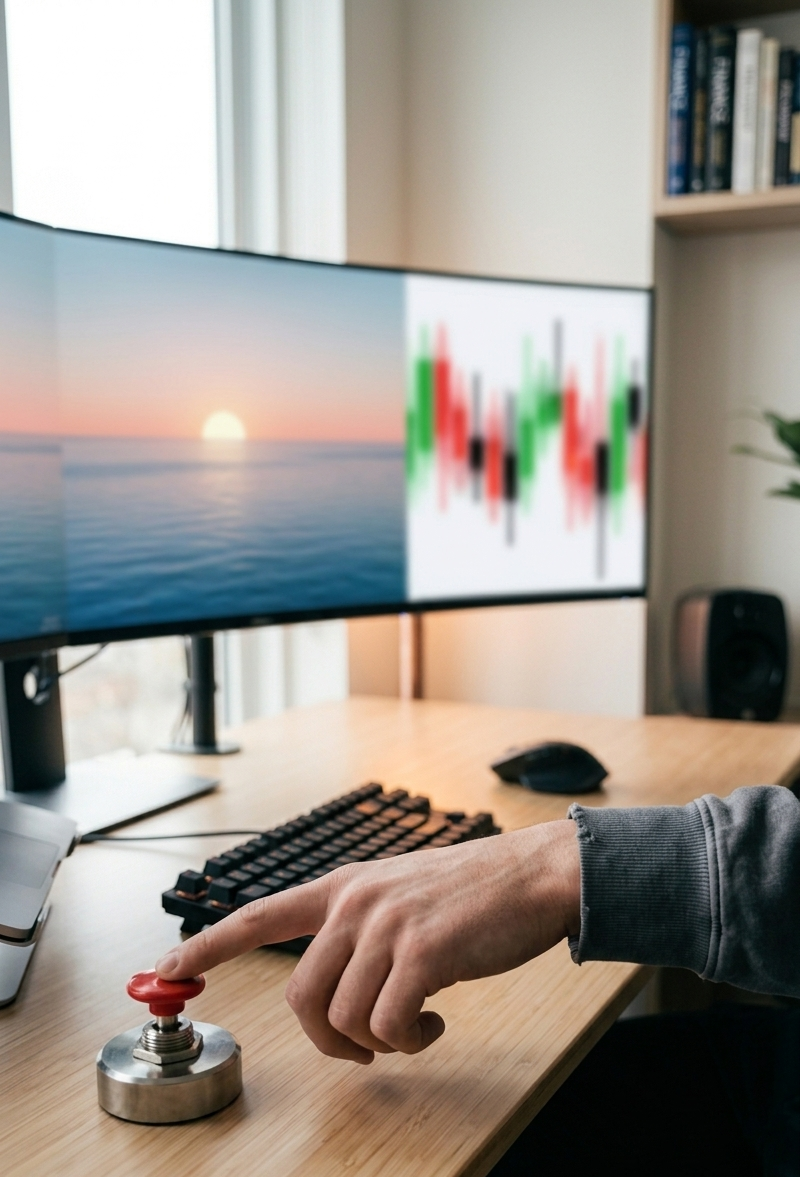
The next time a position moves against you, take it as a badge of honor that you accepted the exit cleanly, protected your remaining capital, and stayed completely in control. The market will always provide another setup tomorrow, but only if you have the discipline to preserve your lifeline today.
Have you ever fallen into the revenge trading trap? How do you force yourself to step away from the screen after a tough loss? Let’s talk about it in the comments below!