Choose the Right Crypto Card Tier Based on Your Payment Volume
Choose the right crypto card tier by understanding how often funds are reloaded and how costs accumulate over time. Many users enter the system focused on speed, but long-term usage often shifts the focus toward efficiency.
The Problem: One Size Does Not Fit All
Crypto payment users vary widely. Some want quick access with minimal setup, while others plan to use their card regularly for payments.
The challenge is deciding which setup aligns with usage patterns.
Light KYC vs Full KYC: What Changes
The difference between tiers is not about basic functionality. Both allow crypto spending, but the cost structure and access path differ.
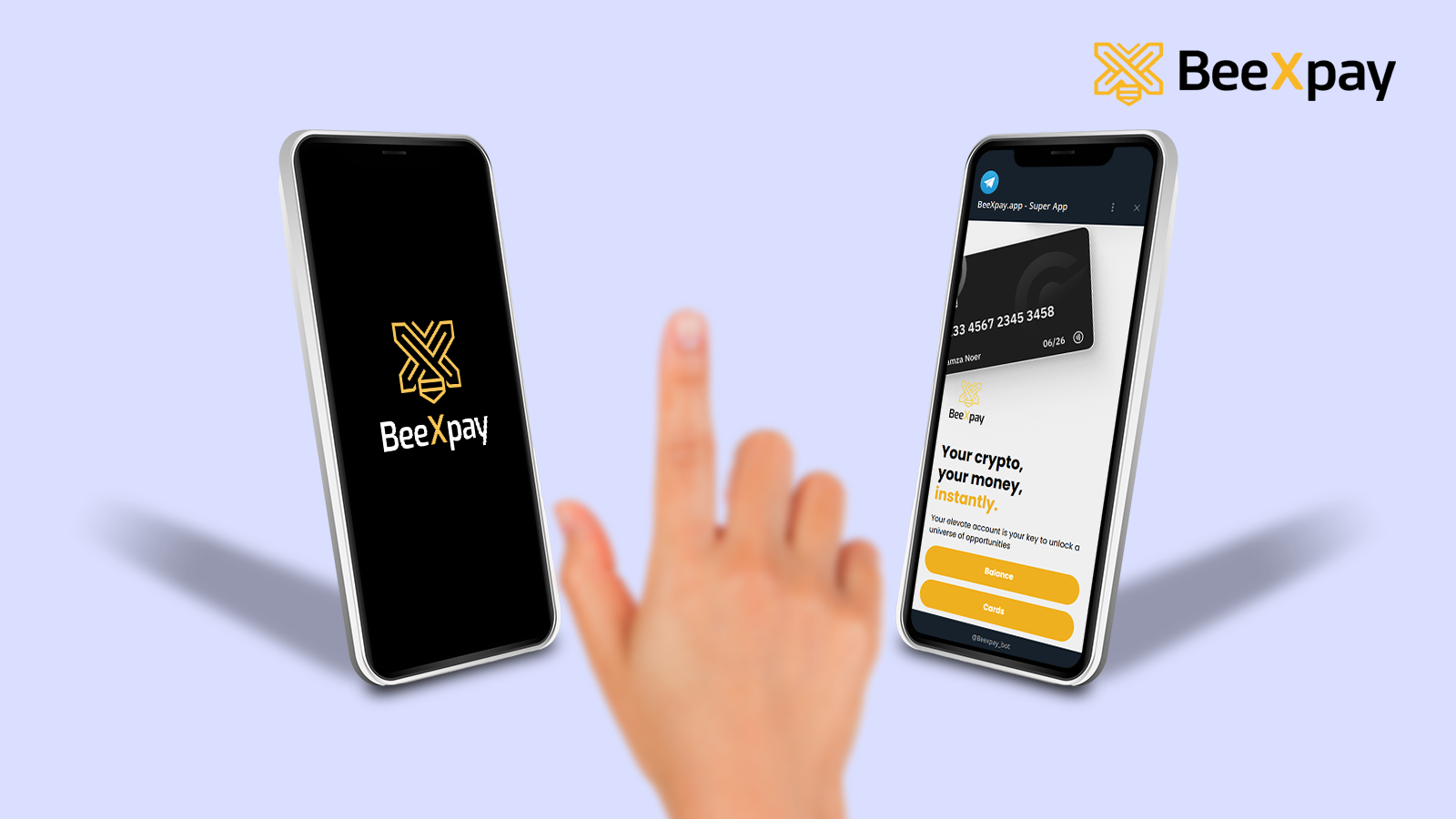
Light KYC: available through Telegram Mini App, with a 4% reload fee
Full KYC: available through the mobile app, with a reduced 2.5% reload fee
Understanding Reload Fee Math
Over time, reload fees become a key factor.
For example:
Lower monthly usage may make speed and simplicity more relevant
Higher usage increases the impact of lower reload fees
Practical Example
A user reloading occasionally for online payments may prefer quick access. Another user making frequent payments may benefit from a lower fee structure.
BeeXpay’s Flexible Model
BeeXpay operates as a crypto-funded payment access layer, allowing users to choose:
Virtual card ($10) or physical card ($100)
Access via Light KYC or Full KYC
Conversion at payment (~5 seconds)
This structure supports both entry-level and frequent users.
A Question to Consider
Is the priority faster access or lower long-term cost?
Conclusion
Choosing the right crypto card tier depends on payment volume and cost awareness. A flexible model allows users to align their setup with real usage patterns.
CTA: Pick the setup that matches how much you reload
https://beexpay.app