The Double-Edged Sword: Cancel Culture and the Future of Free Speech
In the digital age, the public square has migrated to social media, giving rise to a polarizing phenomenon: "cancel culture." Defined as the collective withdrawal of support—or "canceling"—of public figures, brands, or individuals who are perceived to have acted or spoken in an offensive manner, it has become a central point of contention in modern discourse.
At its core, cancel culture is often framed as a tool for accountability. For marginalized groups who have historically lacked a voice, it serves as a mechanism to challenge power dynamics and demand consequences for behavior that was once ignored. It acts as a form of social justice, providing a way for the collective to hold those in positions of influence responsible for their words and actions.
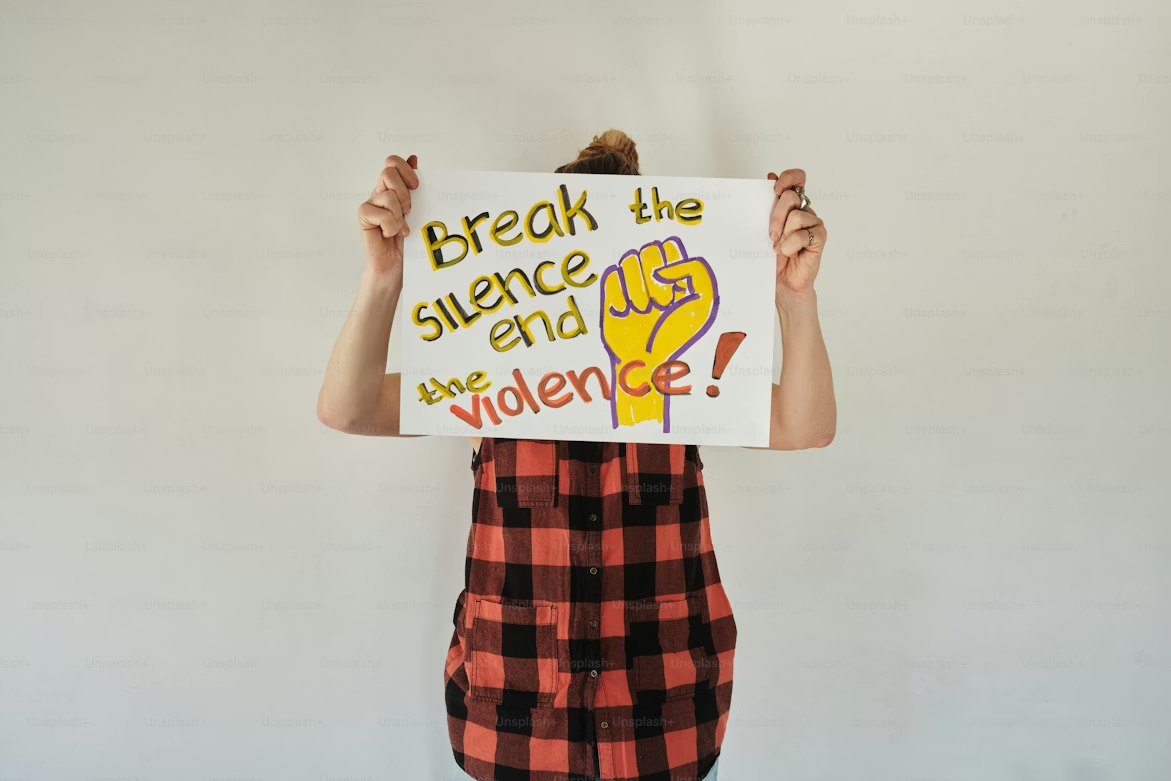
However, critics argue that this pursuit of accountability often devolves into performative public shaming. The primary concern is that it creates a culture of fear, where the threat of ostracization discourages intellectual diversity and nuanced debate.
When the punishment for a lapse in judgment or a controversial opinion is total social exile, the result is often self-censorship. This stifles the very foundation of free speech, as individuals become hesitant to explore complex ideas for fear of being misrepresented or "canceled" by a digital mob.
The tension lies in the fine line between consequence and censorship. Does free speech entitle one to immunity from public critique? Absolutely not. However, a healthy democratic society relies on the ability to disagree, learn, and grow. When the public square is governed by rigid ideological purity rather than open dialogue, we risk losing the messy, vital process of discourse.
Ultimately, we must ask ourselves: are we fostering a more equitable world, or are we simply narrowing the boundaries of acceptable thought? The challenge of the coming decade will be finding a balance that honors accountability while protecting the essential, and often uncomfortable, freedom to speak our minds.