The Mirror of Modernity: How Pop Culture Shapes Our Values
Pop culture is far more than mere entertainment; it is the heartbeat of society. From the music we stream to the memes we share and the blockbuster films that dominate our theaters, pop culture acts as a dynamic mirror reflecting—and often dictating—the values of our time. But how much does this constant stream of media actually influence our moral compass?
At its core, pop culture is a primary driver of social normalization. Consider the rapid shift in public perception regarding inclusivity and diversity. Over the past two decades, inclusive casting and nuanced storytelling in television have done more to foster empathy and bridge cultural divides than perhaps any legislative debate.
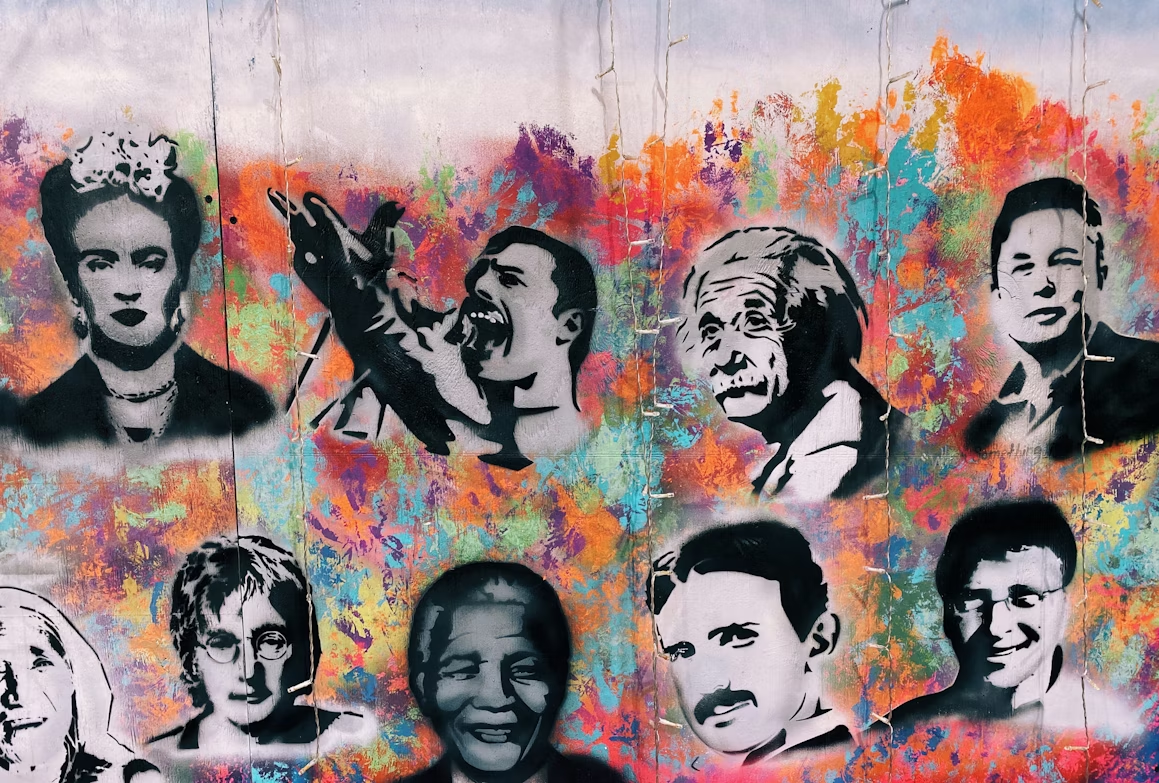
When we see characters reflecting real-world struggles with identity and mental health, it humanizes those experiences, dismantling taboos and encouraging a more compassionate society.
However, this influence is a double-edged sword. While pop culture can serve as a vehicle for progress, it can also propagate problematic standards. The cult of celebrity, fueled by social media, often prioritizes aesthetic perfection and material success over intellectual depth and character.
When our "icons" are defined by curated feeds rather than substance, it can warp our collective perception of what constitutes a "successful" or "valuable" life. Furthermore, the saturation of instant gratification media can erode our collective attention spans and diminish our appetite for the slow, often messy work of civic engagement.
Ultimately, pop culture is the language of our era. It has the power to spark revolutions, challenge prejudices, and unite global communities. While we consume it daily, we must remain conscious participants rather than passive absorbers.
By critically engaging with the media we choose to elevate, we retain the power to decide which values are worth replicating and which should be left behind in the cutting room.