Tips for Using Custom Tarps as Temporary Shelter in Outdoor Events
Introduction
Outdoor events—from festivals and markets to weddings and corporate gatherings—require reliable shelter solutions to protect guests, equipment, and supplies from unpredictable weather. Sudden rain, strong sun, or gusty winds can disrupt even the most carefully planned event. While permanent structures are not always practical, custom tarps offer a flexible, cost-effective way to create temporary shelters that can be adapted to different environments and layouts.
Custom tarps are designed to fit specific dimensions and requirements, making them ideal for event planners who need tailored coverage. With the right setup, these tarps can provide professional-grade protection while maintaining a clean and organized appearance. They are also widely available online, including through Amazon, where various sizes and materials can be sourced quickly.
1. Choose the Right Material for Event Conditions
The effectiveness of a tarp shelter begins with selecting the appropriate material. Different outdoor events have different environmental demands, and choosing the wrong tarp can lead to discomfort or structural issues.
- Vinyl tarps are ideal for heavy-duty use, offering waterproof protection and high resistance to wind and tearing.
- Poly tarps are lightweight and cost-effective, suitable for short-term events with moderate weather exposure.
- Canvas tarps are breathable and better for warm climates, reducing heat buildup under the shelter.
For events exposed to intense sunlight or rain, prioritize tarps with UV resistance and waterproof coatings. Custom sizing ensures full coverage of seating areas, stages, or vendor booths without unnecessary excess material.
2. Design a Stable and Functional Shelter Structure
A well-designed tarp shelter should balance stability, functionality, and accessibility. Before installation, assess the event space and determine how the tarp will be supported.
Common support options include:
- Metal or wooden frames
- Poles with anchored bases
- Existing structures such as fences or walls
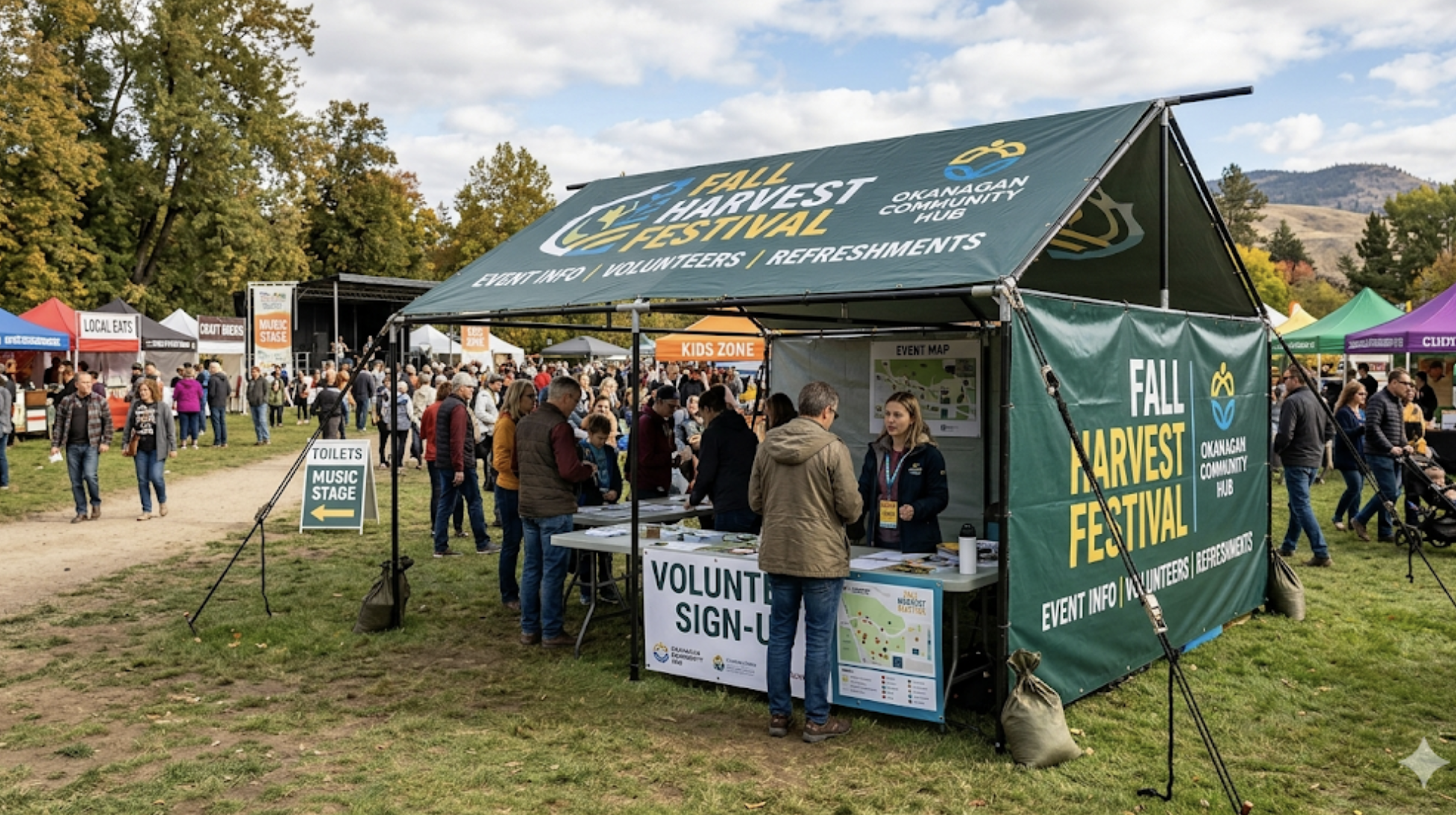
For optimal performance, create a slightly sloped or peaked design. This allows rainwater to run off instead of pooling on the tarp surface. Flat installations are more prone to sagging and can fail under heavy rainfall.
Ensure that the shelter layout accommodates foot traffic, seating arrangements, and equipment placement. Clear entry and exit points should be maintained to avoid congestion and improve safety.
3. Secure Tarps Properly to Handle Wind and Movement
Wind is a major factor in outdoor events, and improper anchoring can lead to tarp displacement or damage. Even custom tarps must be secured correctly to perform effectively.
Use durable tie-downs such as ropes, bungee cords, or ratchet straps to fasten the tarp to anchor points. Distribute tension evenly across all grommets to prevent stress concentration in specific areas.
For additional stability:
- Anchor corners with stakes or weighted objects
- Reinforce edges with extra tie-downs
- Avoid leaving loose sections that can flap in the wind
A tightly secured tarp not only improves durability but also enhances the overall appearance of the shelter, giving it a more professional and organized look.
4. Optimize Ventilation and Temperature Control
While tarps provide essential protection, they can also trap heat if not properly ventilated. This is especially important for events held in warm climates or during peak daylight hours.
To maintain comfort:
- Leave gaps or openings for airflow
- Use breathable materials like canvas when appropriate
- Position shelters to take advantage of natural wind direction
Proper ventilation prevents heat buildup and reduces humidity inside the shelter. This is particularly important for events with large crowds, food service areas, or electronic equipment that may be sensitive to temperature changes.
Balancing coverage and airflow ensures that guests remain comfortable while still being protected from the elements.
5. Plan for Quick Setup and Easy Adjustments
Outdoor events often require rapid setup and breakdown, making flexibility a key consideration. Custom tarps should be easy to install, adjust, and remove as needed.
Preparation tips include:
- Pre-measuring the area to ensure proper fit
- Organizing all hardware and tools before setup
- Assigning a team to handle installation efficiently
During the event, conditions may change, requiring quick adjustments. For example, tarps may need to be repositioned to block shifting sunlight or tightened to handle increasing wind.
Having a modular setup allows for these changes without disrupting the event. After use, tarps should be cleaned and dried before storage to maintain their condition for future events.
Custom tarps suitable for outdoor shelters are widely available on Amazon, offering a range of options that cater to different event sizes and environmental conditions.
Conclusion
Custom tarps are a versatile and practical solution for creating temporary shelters at outdoor events. Their adaptability, affordability, and ease of use make them an essential tool for event planners looking to protect guests and equipment from unpredictable weather.
By selecting the right material, designing a stable structure, securing the tarp properly, optimizing ventilation, and planning for efficient setup, you can create a reliable shelter that enhances both functionality and guest experience.
With a variety of options accessible through platforms like Amazon, implementing a dependable tarp shelter system is straightforward and scalable. When used correctly, custom tarps not only provide protection but also contribute to the overall success and professionalism of any outdoor event.