The Gig Economy: Navigating the New Frontier of Work
The traditional "9-to-5" office job is no longer the sole definition of a career. Over the past decade, the gig economy has transformed from a niche employment model into a global powerhouse.
Whether you’re driving for a ride-share app, freelancing as a graphic designer, or consulting for multiple startups, you are part of a workforce that is fundamentally rewriting the rules of professional life.
What is the Gig Economy?
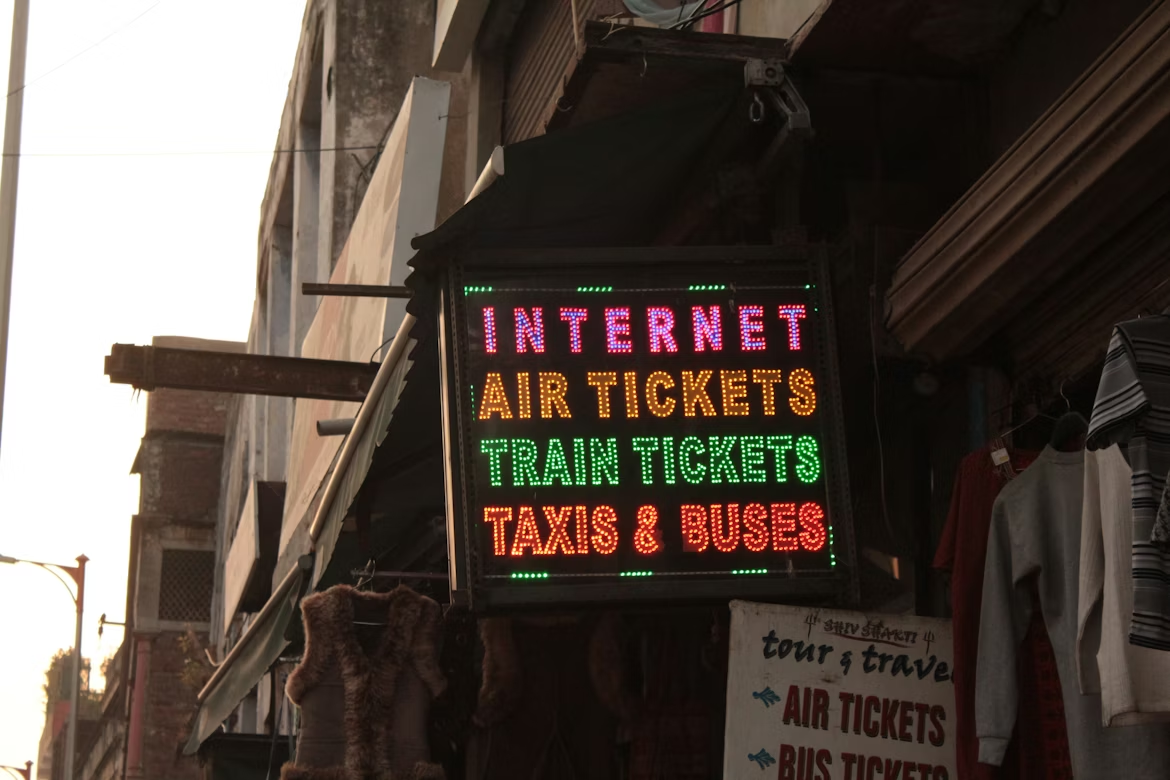
At its core, the gig economy is a labor market characterized by the prevalence of short-term contracts or freelance work rather than permanent, full-time employment.
Empowered by digital platforms that connect workers directly to clients, this model offers a level of autonomy that was previously unimaginable. For many, it represents the ultimate freedom: the ability to choose when, where, and how you work.
The Trade-Offs
However, this flexibility comes with complexities. While gig workers enjoy the absence of a rigid corporate ladder, they often trade away the stability of employer-provided benefits, such as health insurance, paid leave, and retirement planning.
Navigating tax obligations as an independent contractor also requires a new level of financial literacy and discipline. The gig economy shifts the responsibility of business management from the employer to the individual.
What Does the Future Hold?
The future of the gig economy isn't about replacing traditional employment, but rather evolving toward a "hybrid" model. We are seeing a shift where "side hustles" become primary income streams and traditional companies increasingly rely on specialized project-based talent to stay agile.
As technology continues to integrate AI and global collaboration tools, the barriers to entry for gig work will continue to shrink. The challenge ahead lies in policy—creating social safety nets that protect independent workers without stifling the innovation that makes the gig economy so vibrant.
The takeaway? The gig economy is here to stay. Whether you are a full-time freelancer or just testing the waters, success in this new era requires adaptability, a commitment to lifelong learning, and a proactive approach to managing your own professional security.
Warning,This user was downvoted or is blacklisted likely due to farming, phishing, spamming, ID theft, plagiarism, or any other cybercrime operations. Please do your due diligence before interacting with it.If anyone believes that this is a false flag or a mistake, consider reaching the watchers on Discord. Thank you,