Bridging the Gap: The Vital Concept of Equal Opportunities
In a fair and progressive society, the concept of "equal opportunity" serves as the bedrock for both personal fulfillment and collective growth. Whether applied to education or employment, it implies more than just the absence of discrimination; it represents a proactive commitment to ensuring that every individual, regardless of their background, has an equitable chance to pursue their potential.
Education: The Great Equalizer Education is the gateway to upward mobility. When we talk about equal opportunities in the classroom, we aren't just discussing access to a building.
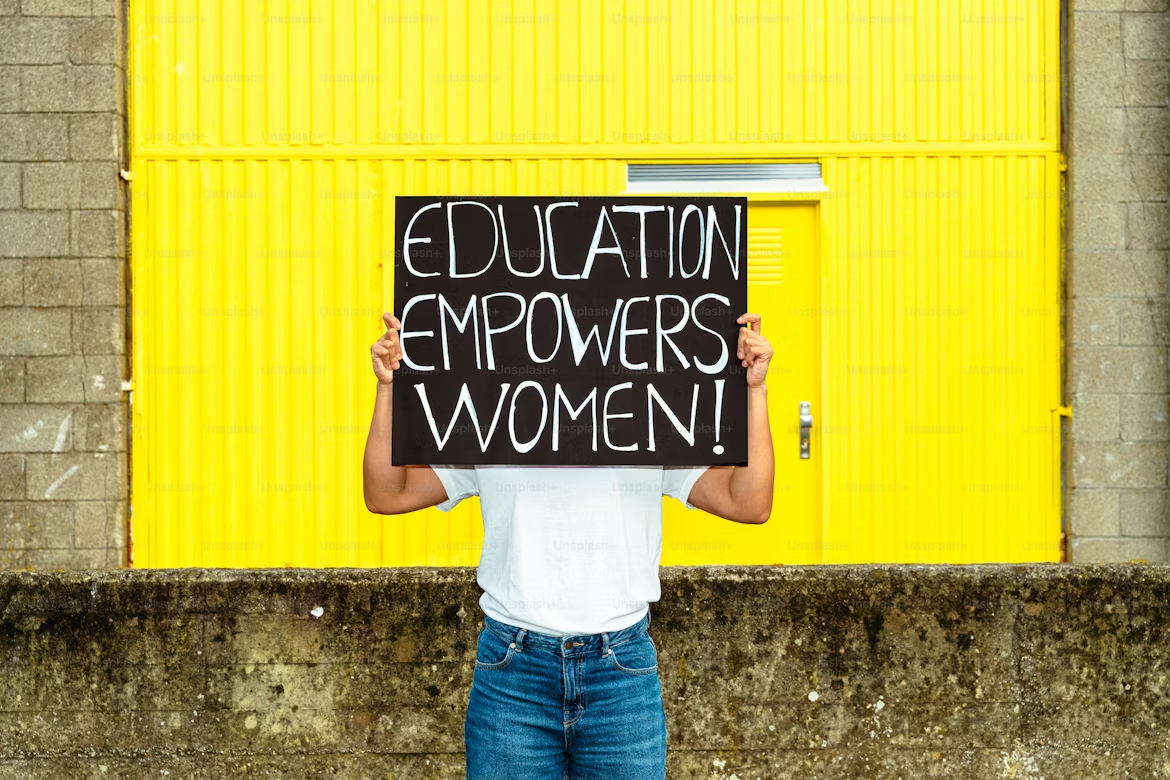
It means providing high-quality resources, supportive instruction, and inclusive curriculum to students from all socioeconomic, racial, and geographic backgrounds.
True educational equity addresses the "starting line" problem—recognizing that a child from an underserved community may need additional support to compete on par with peers from more affluent areas.
By leveling the playing field early, we empower the next generation to be defined by their curiosity and work ethic rather than their zip code.
Employment: Talent Over Pedigree In the professional world, equal opportunity is the engine of innovation. Meritocracy remains a popular ideal, yet systemic biases often linger in hiring practices and career advancement.
A workplace that prioritizes equal opportunity actively dismantles barriers—such as unconscious bias in recruitment, pay gaps, and lack of mentorship for underrepresented groups.
When employers prioritize diverse perspectives, they don't just foster a fairer culture; they gain access to a wider pool of talent, leading to better problem-solving and market insight.
The Bottom Line Equal opportunity is not a zero-sum game; when we remove systemic hurdles, everyone benefits. By fostering environments where success is a reflection of talent and drive rather than privilege, we build a more robust, creative, and harmonious society.
The mandate is clear: we must continue to advocate for policies and practices that transform the promise of equality into a lived reality for all.