Why Repairability Matters More Than Initial Savings in a DIY 280Ah Powerwall
When people compare DIY powerwalls with prebuilt systems, the first number they usually focus on is price.
That makes sense at first glance.
A DIY 280Ah LiFePO₄ build can often come in cheaper than a branded turnkey system, and the upfront savings are real. But after looking at how these systems age over time, I think the more important question is not:
“How much did it cost to build?”
It is:
“How easy will it be to maintain, diagnose, and repair five years from now?”
That question changes the entire evaluation.
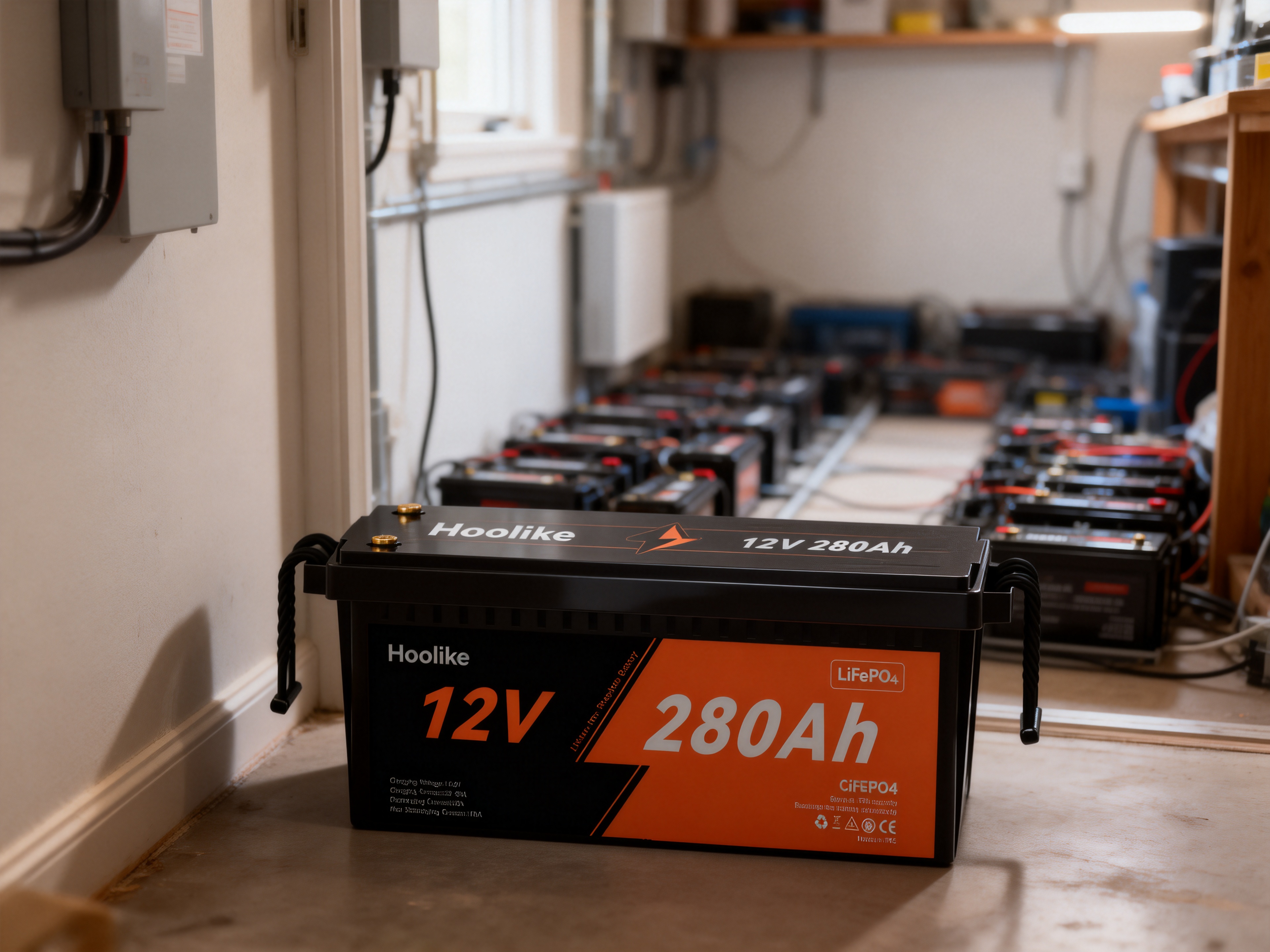
A battery system is not a one-time purchase
A home powerwall is not like buying a device that gets replaced every few years.
It is closer to infrastructure.
Once installed, it becomes part of the household energy environment:
- it cycles daily
- it experiences heat and cold
- it depends on connectors, sensors, and control logic
- it may need inspection, adjustment, or repair over time
This is why repairability matters so much.
A system that cannot be understood or serviced becomes expensive later, even if it looked affordable at the start.
Why DIY often wins on long-term ownership
One of the main advantages of a DIY 280Ah powerwall is not just cost. It is visibility.
With a self-built system, you usually know:
- which cells were used
- how the pack was assembled
- what BMS was installed
- how the busbars and cables were arranged
- where the thermal weak points are
That matters because when something changes, you can actually trace the problem.
In a sealed proprietary system, the internal logic may be harder to inspect. In a DIY build, the structure is usually more open, which makes long-term maintenance more practical.
Repairability is really about control
I think many people underestimate how important control becomes after installation.
A powerwall that is repairable gives you options:
- replace a weak cell instead of the whole pack
- inspect a connection instead of guessing
- adjust the BMS settings instead of waiting for a fault
- improve ventilation or compression if operating conditions change
That is a very different ownership model from one where the entire unit is treated like a black box.
In that sense, repairability is not just a technical feature.
It is a form of energy independence.
What usually fails first is not the chemistry
People often assume battery failure is mostly about cell chemistry. But in practice, many long-term issues come from the surrounding system:
- loose terminals
- resistance buildup
- thermal imbalance
- BMS configuration errors
- aging connectors
These are all problems that are easier to deal with when the system is modular and inspectable.
That is one reason a 280Ah DIY build can make sense for people who are comfortable with the engineering side. It gives them a system they can actually understand over time.
The hidden cost of “plug and forget”
Prebuilt systems often look attractive because they reduce setup effort.
That convenience has value.
But it can also create dependency.
If the system is difficult to open, difficult to diagnose, or difficult to source parts for, then a small issue can become a big one later.
So the real trade-off is not just:
- DIY vs prebuilt
It is:
- repairable ownership vs closed ownership
For some people, that distinction matters more than the initial price.
A practical reason this matters in Europe
In European homes, energy systems are increasingly expected to last through changing tariff conditions, seasonal solar patterns, and long service life expectations.
That means the best system is not always the one with the most polished interface.
It is often the one that can be maintained without replacing the whole stack.
This is where a well-built 280Ah powerwall becomes interesting: it offers serious storage capacity, but still stays close enough to the hardware layer that the owner can understand it.
Where the deeper engineering picture fits
Repairability only works when the original build is disciplined.
That means:
- proper cell balancing
- good busbar design
- stable mechanical compression
- correct BMS setup
- safe wiring and protection
Those details are not optional. They are what make long-term repair possible in the first place.
Final thought
Initial savings are easy to measure.
Repairability is harder to see, but it usually matters more.
A DIY powerwall is not just a way to store energy.
It is a way to stay close to the system that stores your energy.
That closeness is what makes long-term ownership practical.