Navigating the Future: The Critical Role of Ethics in AI Development
Artificial Intelligence is no longer a futuristic concept found in science fiction; it is the engine driving our modern world. From medical diagnostics and financial forecasting to autonomous transportation and personalized education, AI is reshaping how we live.
However, as these systems become more autonomous and integrated into the fabric of society, one question looms larger than ever: How do we ensure that AI remains a force for good?
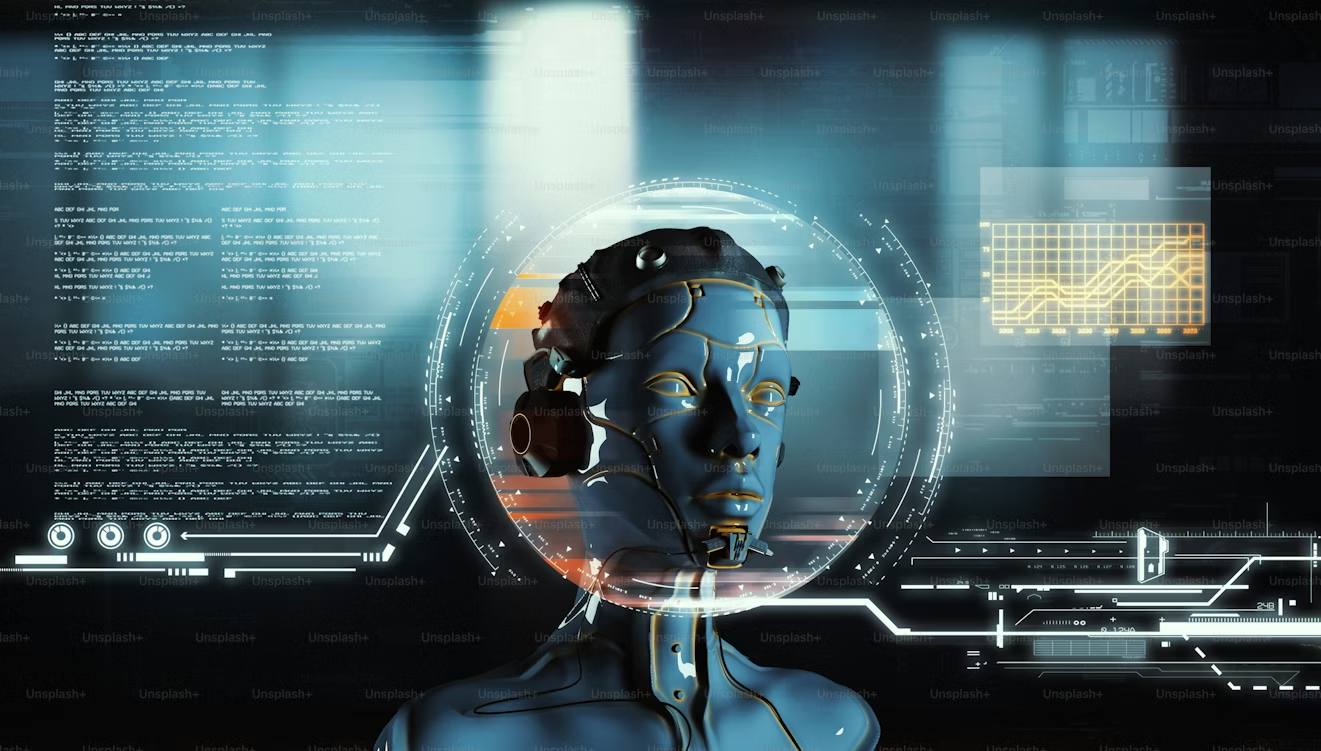
The role of ethics in AI development is not merely a philosophical exercise; it is a technical and social necessity. Developers and engineers are essentially building the "value systems" of the future.
When we teach machines to learn from vast datasets, we run the risk of inadvertently encoding systemic biases, prejudices, and historical inequalities. If an algorithm used for hiring, lending, or law enforcement inherits the biases of its training data, it doesn’t just replicate the past—it amplifies it at scale.
Ethical AI development hinges on three core pillars: transparency, accountability, and inclusivity.
First, we must move away from "black box" algorithms. Transparency means stakeholders should understand how an AI reaches its conclusions. When a machine makes a life-altering decision, there must be a mechanism for explainability and appeal.
Second, accountability must be embedded into the development life cycle. Who is responsible when an AI makes a harmful mistake? Establishing clear frameworks for legal and moral responsibility is essential to prevent corporate negligence and protect public safety.
Finally, inclusivity is vital. AI should be built by diverse teams that reflect the global population. When development teams lack diversity, they suffer from blind spots, often resulting in technology that works for some at the expense of others.
Ultimately, technological innovation loses its value if it undermines human dignity. By prioritizing ethics today, we don't just build safer machines—we build a more equitable future. AI should serve humanity, not the other way around.