More Than Just Fabric: The Profound Impact of Fashion on Society
Fashion is often dismissed as a frivolous pursuit—a cycle of trends driven by vanity and consumerism. However, to view it solely as aesthetic is to overlook its role as a fundamental pillar of human culture. Fashion is a powerful language, a silent communicator that shapes how we perceive ourselves and how society views us.
At its core, fashion is a form of self-expression. It is the primary way we broadcast our identity, values, and affiliations to the world.
Whether it’s the defiant leather jacket of a subculture, the formal attire of a corporate leader, or the sustainable fabrics of an eco-conscious activist, our clothing choices act as an immediate visual shorthand.
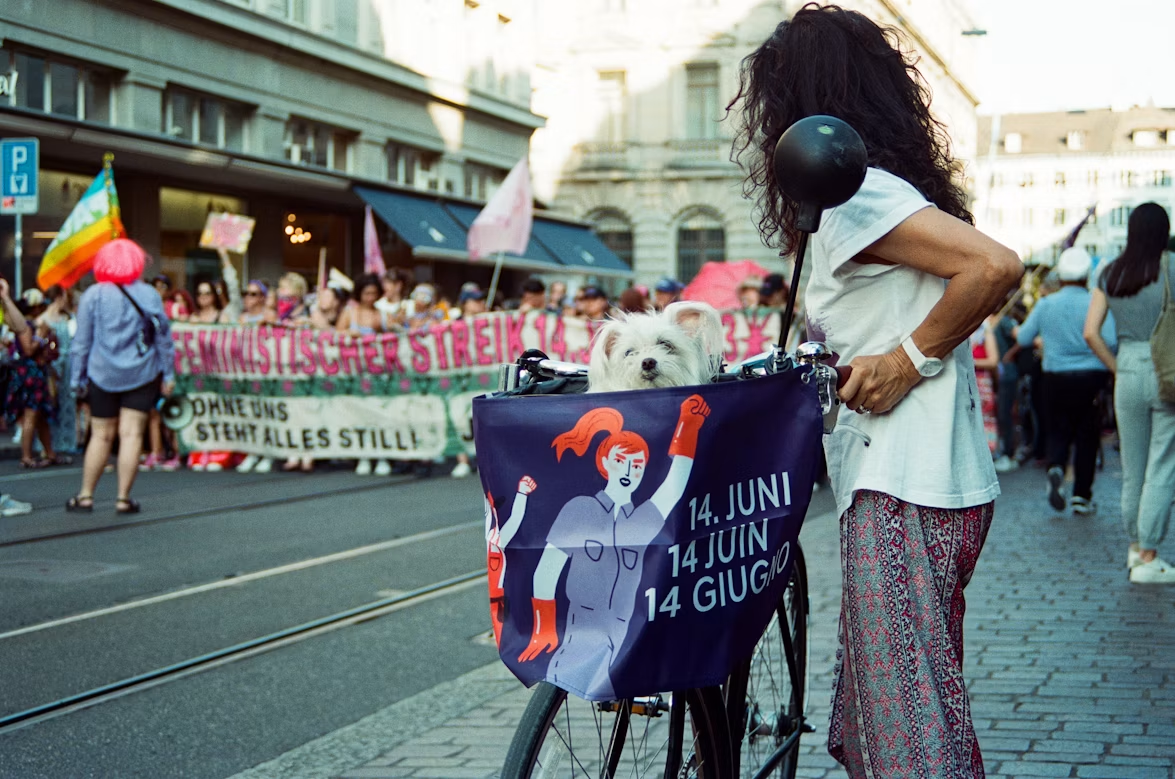
By choosing what we wear, we engage in a continuous dialogue with the world, asserting our personality and personal narrative.
Beyond the individual, fashion serves as a bridge for social change. Throughout history, clothing has been a catalyst for political and societal shifts. Think of the suffragettes who donned specific colors to demand the right to vote, or the 1960s counterculture movement that used fashion as a weapon against conformity.
Fashion reflects the political climate of its time, acting as a mirror that captures our collective progress toward equality and inclusivity.
However, the impact of fashion is a double-edged sword. While it empowers, it also enforces social hierarchies and creates intense psychological pressure. The industry’s focus on unattainable beauty standards has historically marginalized those who don't fit a narrow mold.
Furthermore, the modern “fast fashion” machine has forced us to confront the environmental and ethical costs of our interconnected global economy, sparking a necessary movement toward conscious consumption.
Ultimately, fashion is an inescapable social force. It is the art we wear every day. As we move forward, the challenge lies in shifting our relationship with it—from passive consumption to intentional participation—ensuring that the clothes we wear reflect not just who we are, but the world we wish to build.