More Than Just Fabric: The Profound Impact of Fashion on Society
Fashion is often dismissed as a frivolous pursuit of aesthetics—a seasonal rotation of trends and labels. However, beneath the surface of runways and retail racks lies a powerful engine that shapes human behavior, cultural identity, and global socio-economic landscapes. Fashion is, quite literally, the fabric of society.
At its core, fashion is one of our most primitive forms of non-verbal communication. What we wear acts as a social signal, broadcasting our values, professional status, and cultural allegiances before a single word is spoken.
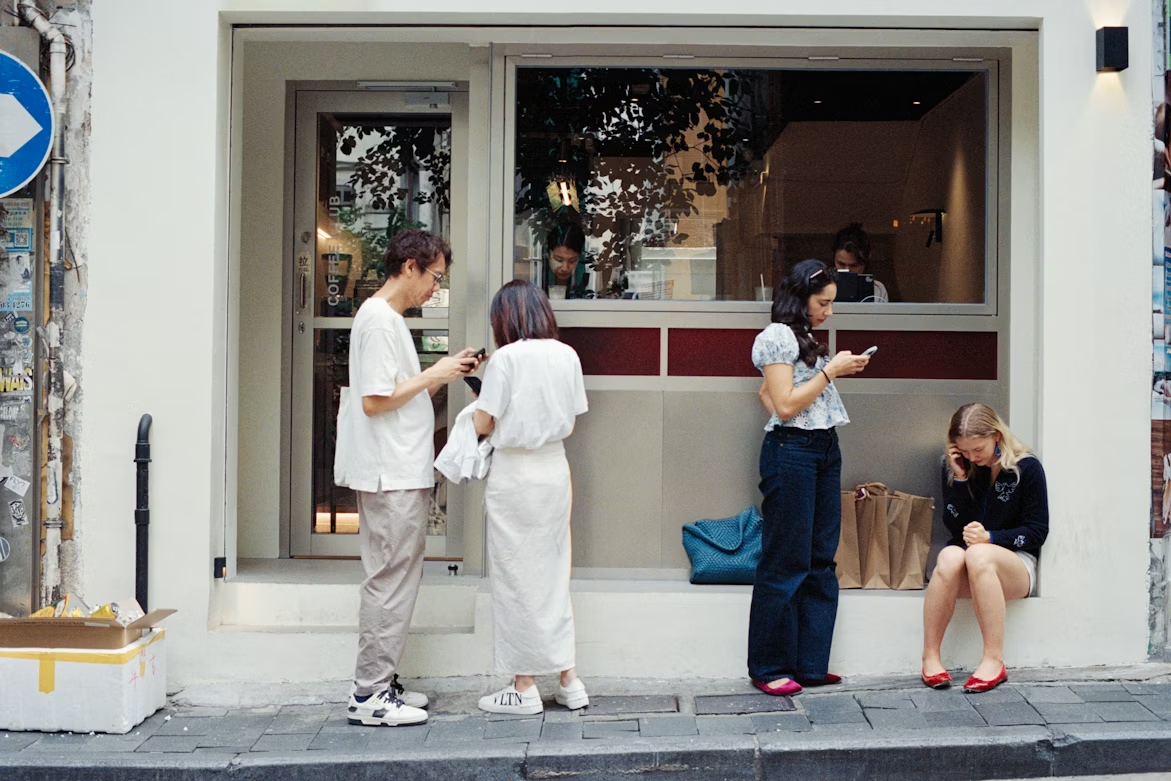
Throughout history, clothing has been used as a tool for both conformity and rebellion. From the suffragettes wearing white to signify their movement to the counter-culture leather jackets of the 1950s, fashion has consistently served as a visual language for political resistance and social transformation.
Moreover, the fashion industry is a colossal economic force. It provides employment for millions, driving innovation in manufacturing, logistics, and digital marketing. However, this influence is a double-edged sword. The rise of "fast fashion" has forced society to confront the environmental and ethical costs of our consumption habits.
The industry’s impact on global waste and labor standards has sparked a critical dialogue, pushing consumers to demand transparency and sustainability. Today, the conversation is shifting from "what should I wear?" to "who made my clothes, and at what cost?"
Ultimately, fashion is a reflection of the collective consciousness. It evolves alongside our changing perceptions of gender, inclusivity, and sustainability.
As we move toward a more conscious future, our relationship with fashion is becoming less about superficial trends and more about personal expression and ethical responsibility. Whether we realize it or not, every garment we choose is a small contribution to the cultural narrative of our time. Fashion is not just what we wear; it is an enduring mirror held up to the human experience.