But to return to the Atlantic and Phenitia Proper
With Kate’s narrative of the latest assault on HCE behind us, we now turn to the consequences of that assault: the trial of Festy King. In the previous article I quoted the entire court report from The Connacht Tribune and Tuam News which inspired this trial. But this was not the only source that Joyce drew upon for this episode in Finnegans Wake. Another trial from the same county, one much more famous than the petty squabble between Pat O’Donnell and the Kings, also informed the trial of Festy King.
The Maamtrasna Murders
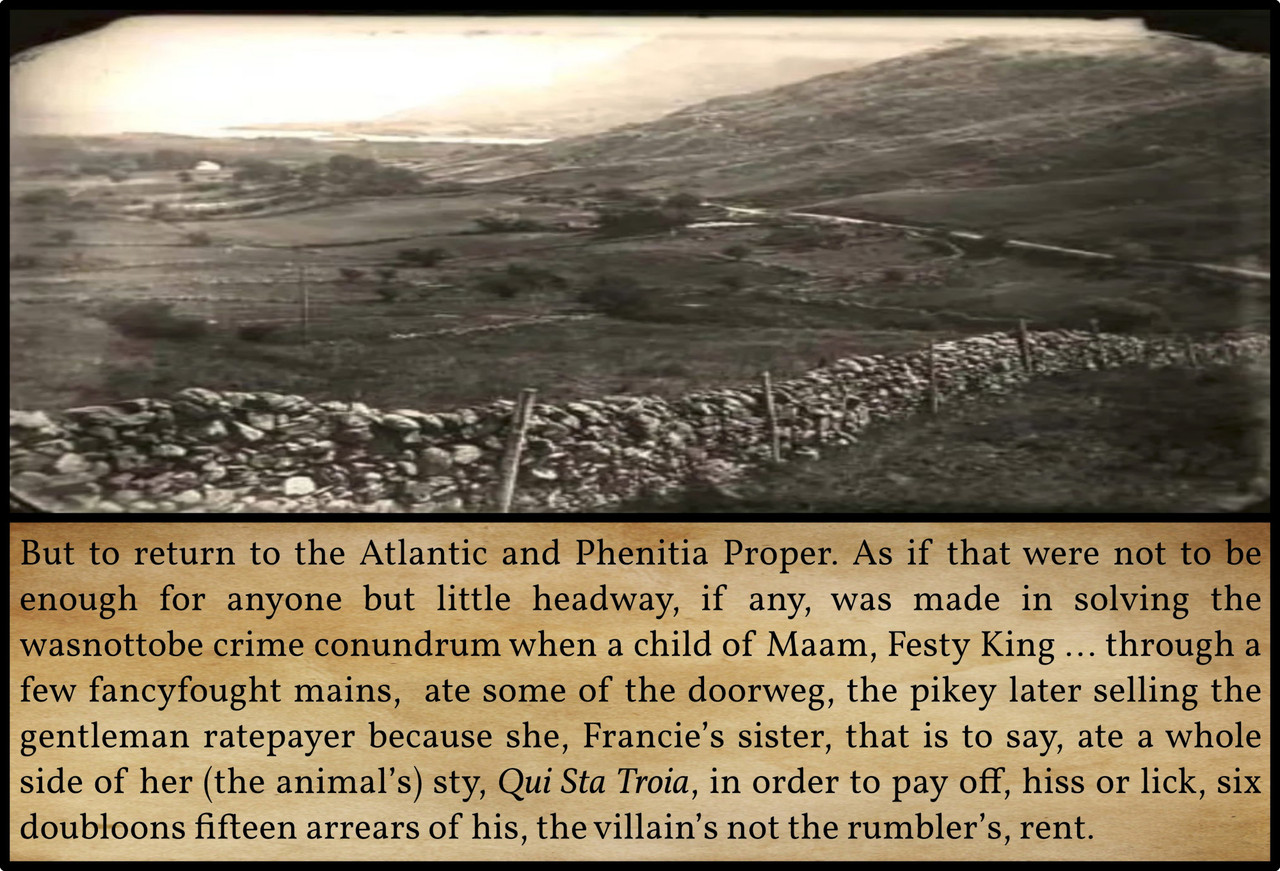
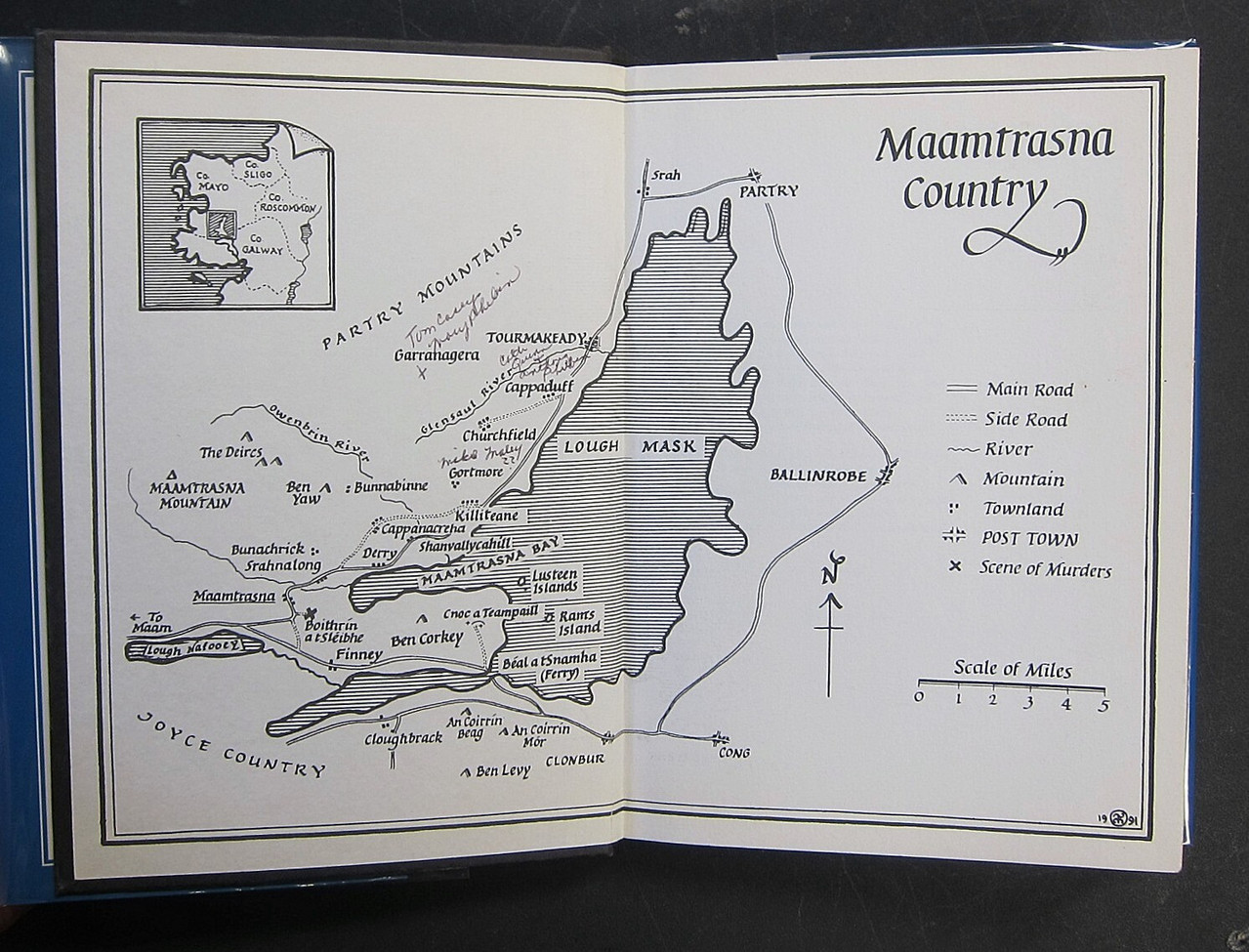
In 1907, when he was living in Trieste, Joyce wrote an article for the local newspaper Il Piccola della Sera. Ireland at the Bar―L’Irlanda all sbarra in Joyce’s Italian―recounted the story of the notorious Maamtrasna Murders and the subsequent trials, which took place in 1882, the year of Joyce’s birth. The crimes were committed in a remote part of County Galway on the night of 17/18 August 1882. Maamtrasna―or Maumtrasna―is the name of the local townland, between Lough Nafooey and a section of Lough Mask known as Maamtrasna Bay. In 1898 Maamtrasna and several other townlands were transferred to County Mayo:
The story was reported in The Connaught Telegraph on 26 August:
MAAMTRASNA MASSACRE
DETAILS OF THE TRAGEDY―TERRIBLE SCENE OF MURDER
Cong (County Galway [now County Mayo]) Sunday Night.
An inquest was held yesterday at Maamtrasna on the bodies of the five members of the Joyce family, who were so barbarously massacred in the dead of the night in their own cabin on Friday night [18 August 1882], but before any verdict was found the inquiry was adjourned till Wednesday for the production of additional evidence. The locality in which the terrible and appalling crime was committed lies in the wildest and loneliest district of the most remote regions of the Joyce country, Connemara, and is almost inaccessible, owing to the mountain fastnesses and miles of lake around which it is situated. From Cong it is over twelve miles distant, and from Maam it is nearly an equal distance, these being the two villages nearest the scene of the murders.
So far as can at present be learned, it appears that last Thursday [17 August] the Joyce family retired to bed at their usual hour, John Joyce and his wife sleeping on a miserable bed composed of rags and straw; and placed in a slight recess in the wall, a few feet from the door, on the left hand side as the cabin is entered. The rest of the family slept in one bed, a wretched couch in the inner apartment, the old woman and one of her grandsons lying with their heads towards the little window, and Margaret and her other brother lying in the contrary direction. By this means it was sought to enable the four occupants of the one bed to find room on a couch which was so small that it had even to be lengthened by the placing of a barrel end uppermost at the foot of the bed. All was quiet for the first few hours, and nothing occurred to disturb the repose of the sleepers till about one o’clock in the morning, when as Michael related with his dying breath he heard shots. The door was taken off its hinges, and a number of armed assassins poured into the cabin. The father was shot on the floor, having sprung out of bed; the wife was bludgeoned to death. The feeble old grandmother was attacked, and her skull was crushed by a rain of blows which left bone, blood, and brain one red mass of pulp. Michael was shot in the head and stomach; his sister was struck on the head by a blow which left her a corpse; and Patrick, the youngest child was badly beaten over the head and face with a stick.
The Connaught Telegraph Saturday 26 August 1882, Page 3, Column 5
The motive for the murders remains a subject for speculation to this day. John Joyce may have been a serial sheep rustler. He may have misappropriated funds from a local society of Ribbonmen of which he was the treasurer. His mother may have passed information to the authorities in connection with another murder committed in the district. His daughter may have had an affair with a member of the local constabulary. Take your pick.
Joyce probably only knew of the massacre through hearsay:
Joyce must have obtained the bones of the material which he used in this account from Nora Barnacle. Even the ‛bones’ are inaccurately articulated and they are fleshed with the folklore growth of twenty years ... (further touched up, no doubt, by his artistic pen) ... ―John Garvin, James Joyce’s Disunited Kingdom and the Irish Dimension 164
Joyce’s unreliable account is as follows:
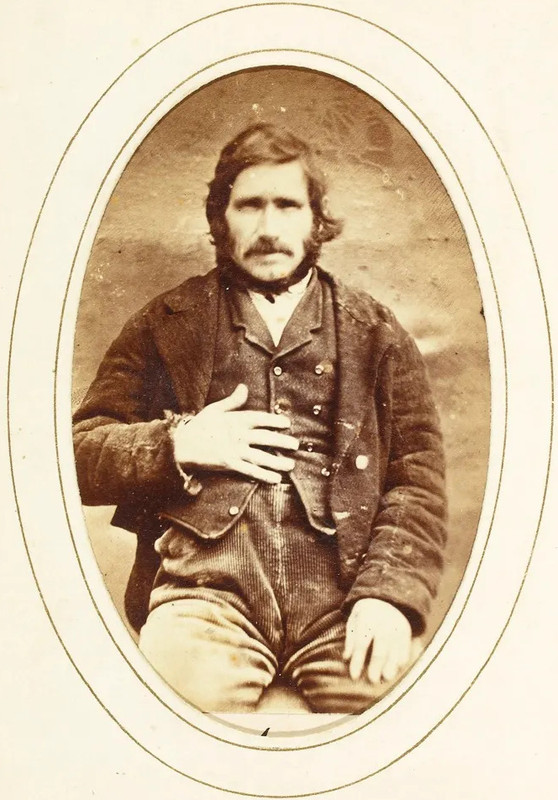
Several years ago a sensational trial took place in Ireland. In the western province, in a remote place called Maamtrasna, a murder was committed. Four or five peasants from the village were arrested, all of them members of the ancient tribe of the Joyces. The eldest of them, a certain Myles Joyce, sixty years of age, was particularly suspected by the police. Public opinion considered him innocent then, and he is now thought of as a martyr. Both the old man and the other accused did not know English. The court had to resort to the services of an interpreter. The interrogation that took place through this man was at times comic and at times tragic. On the one hand there was the officious interpreter, on the other, the patriarch of the miserable tribe who, unused to civic customs, seemed quite bewildered by all the legal ceremonies.
The magistrate said:
‘Ask the accused if he saw the woman on the morning in question.’The question was repeated to him in Irish and the old man broke out into intricate explanations, gesticulating, appealing to the other accused, to heaven. Then, exhausted by the effort, he fell silent; the interpreter, turning to the magistrate, said:
‘He says no, your worship.’
‘Ask him if he was in the vicinity at the time.’
The old man began speaking once again, protesting, shouting, almost beside himself with the distress of not understanding or making himself understood, weeping with rage and terror. And the interpreter, once again replied drily:
‘He says no, your worship.’
When the interrogation was over the poor old man was found guilty and sent before a high court which sentenced him to be hanged. On the day the sentence was to be carried out, the square in front of the prison was packed with people who were kneeling and calling out prayers in Irish for the repose of the soul of Myles Joyce. Legend has it that even the hangman could not make himself understood by the victim and angrily kicked the unhappy man in the head to force him into the noose. ―Kevin Barry (editor), James Joyce: Occasional, Critical, and Political Writing 145
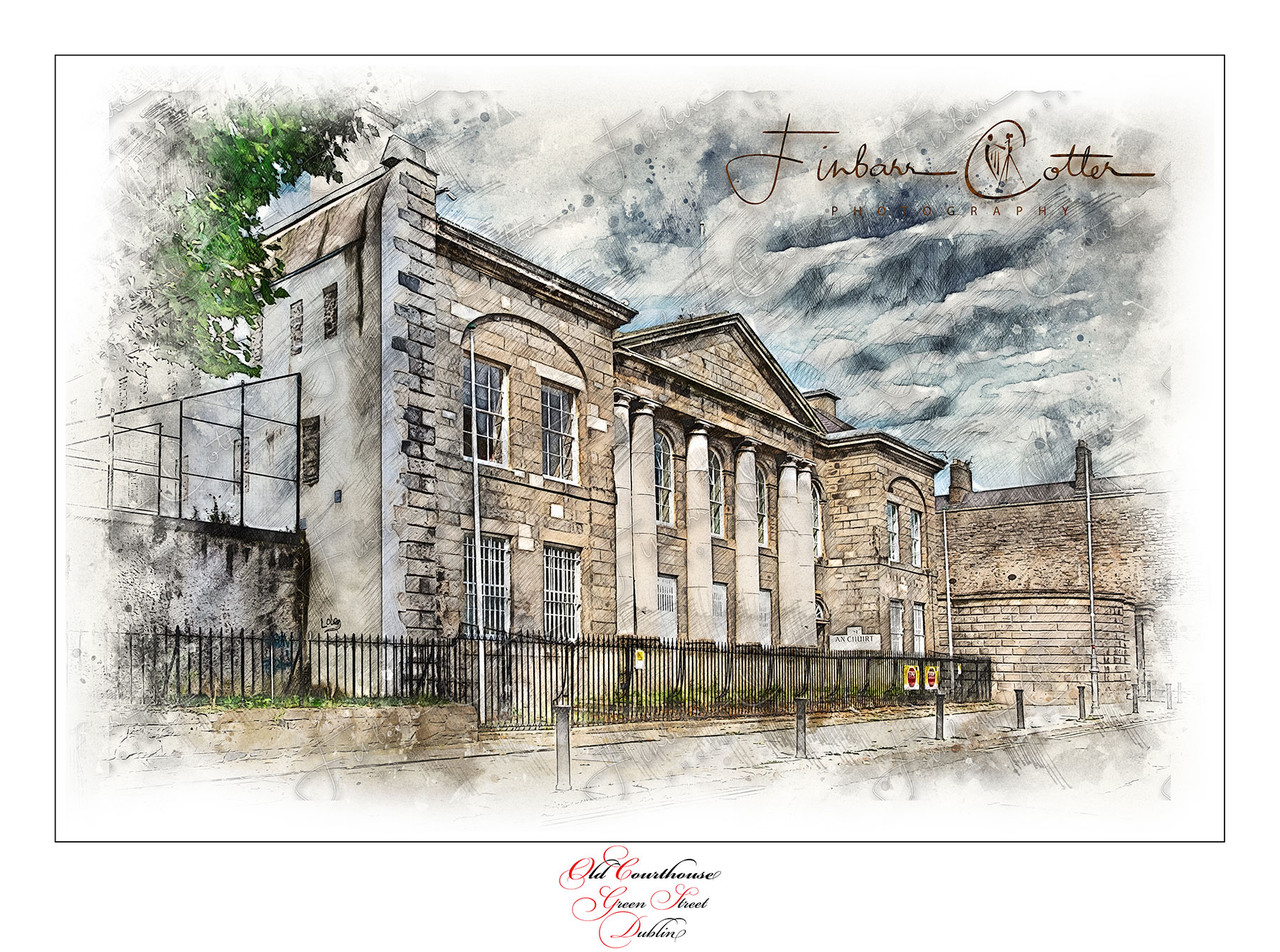
Joyce describes the figure of this bewildered old man, left over from a culture which is not ours, a deaf-mute before his judge, as a symbol of the Irish nation at the bar of public opinion (Barry 146). The tragicomedy played out in Dublin’s Green Street Courthouse was a foreshadowing of Finnegans Wake itself―a novel in which the perennial problem of communication takes centre stage.
First-Draft Version
The first draft of this passage is very short and uncomplicated:
As if that would not do a countryman Festy King who gave an address in Monaghan was subsequently brought up on an improper indictment of both counts. It was attempted to show that having come to the door with a pig this animal ate some of the doorpost, King selling it because it [indecipherable word crossed out and replaced with ate] the woodwork off her sty. ―Hayman 76–77
This first draft makes no allusion to the Maamtrasna Massacre, but it was clearly inspired by the story of the feud between the Kings and Pat O’Donnell that Joyce read in The Connacht Tribune and Tuam News. I have no idea why Joyce switched the location to Monaghan. In July 1927, when an early draft of this chapter appeared in Number 4 of Eugene Jolas’s literary journal transition, these four or five lines had grown to some thirty-odd. Note also that the paragraph break at the end of this passage is still missing:
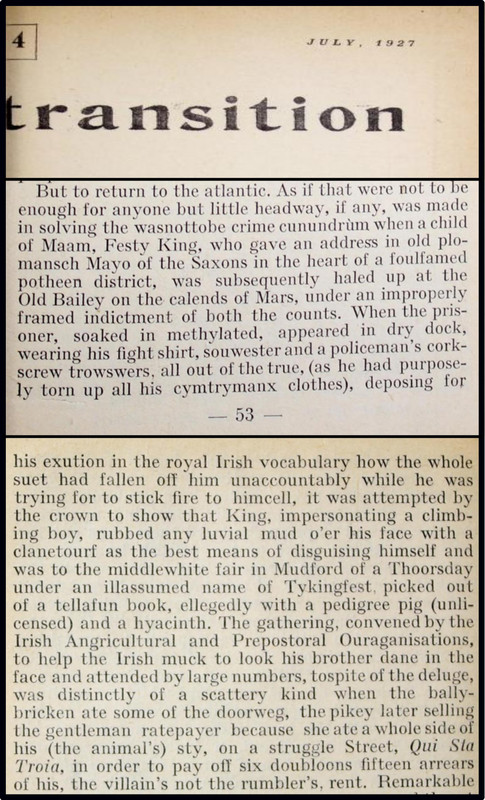
The published version extends this by another dozen lines or so by adding further details and allusions, but it does not significantly alter the gist.
And here are the details
But to return to the Atlantic and Phenitia Proper In James Frazer’s Folk-Lore in the Old Testament, the author interrupts a discussion of Polynesian creation myths with an account of Siberian creation myths, after which he turns his attention back to Polynesia with the words: But to return to the Pacific. Joyce was sufficiently interested to copy this remark into one of his notebooks (VI.B.17.050b). In the previous paragraph HCE was described as a pacific subject. The allusion to the Phoenicians may simply be another nod to the Phoenix Park, the scene of HCE’s original encounter with the Cad. Does Phenitia also allude to Venetia or Veneto in Italy? Later Joyce will combine Venetian blinds with Phoenicia (FW 221:32 = RFW 175.11).
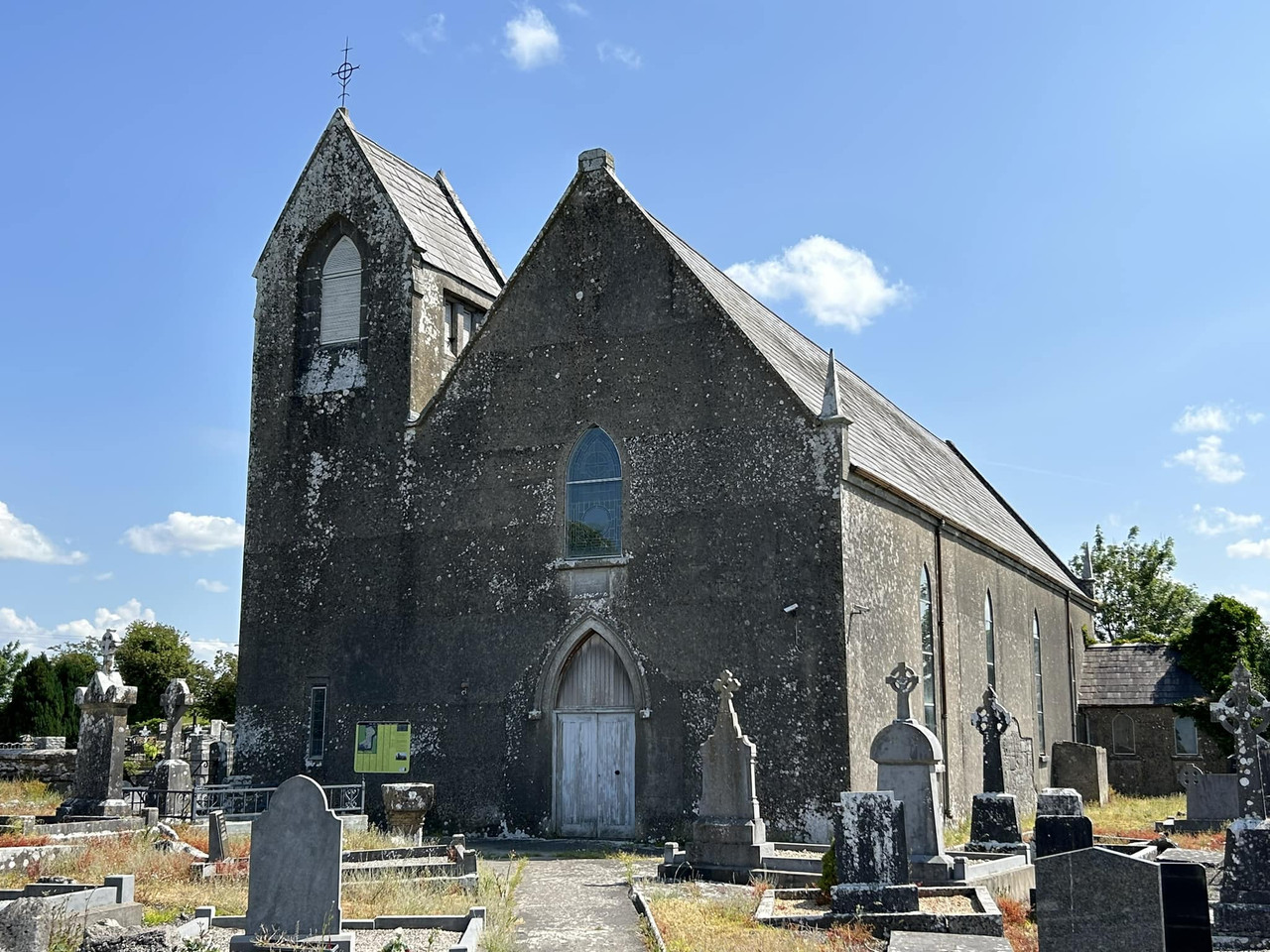
Mayo of the Saxons In the 7th century, Saint Colmán of Lindisfarne founded a school and monastery in the west of Ireland for a group of English scholars, who had accompanied him when he departed from Lindisfarne. The monastery and town which grew up about it became known as Mayo of the Saxons. It is now a village in County Mayo―referred to as Mayo, or Mayo Abbey―though it is not the county seat. The original monastery was destroyed in the Middle Ages. The Maamtrasna Murders took place in County Galway, but when Joyce wrote Finnegans Wake, the scene of the massacre was in County Mayo.
Old Bailey The Central Criminal Court in London. Although the Maamtrasna Murders took place in County Galway, the ten accused were tried in Green Street Courthouse in Dublin. FWEET also detects an allusion to the Baily Lighthouse on Howth Head, which W S J Joyce calls the Old Bailey Lighthouse in The Neighbourhood of Dublin.
fetch In Irish folklore, a fetch was a person’s doppelganger, the apparition of which is considered a portent of imminent death. FWEET suggests that it may be related to the Old Norse fylgja, a sort of guardian angel in Nordic tradition. Note also the subsequent words feacht and feishts, which perhaps ring the changes on the same word.
wearing (besides stains, rents and patches) his fight shirt, straw braces, souwester and a policeman’s corkscrew trowswers all out of the true The identities of the various male characters in this chapter are notoriously difficult to disentangle. HCE, the Cad with a Pipe, Shem, Shaun, the Oedipal Figure, and Sackerson are all thrown into the mix. Adaline Glasheen identified Festy King with Shem (Glasheen 156), as did Edmund Lloyd Epstein (Epstein 48). Joseph Campbell & Henry Morton Robinson identified him with Shaun (Skeleton Key 85). On one level, however, Festy King can certainly be identified with HCE, as his clothing, when enumerated, comes to seven items of apparel―a characteristic of HCE’s. On another level, he is described as a child of Maam, which identifies him as a son of ALP (Ma’am) or HCE (son of man = Ben Adam in Hebrew). FWEET hedges its bet by identifying Festy as E [HCE], perhaps with hints of C [Shem]. The subsequent reference to their two and a trifling selves evokes the trio of Shem, Shaun and the Oedipal Figure [C : V : Y]. This trio is also embodied in padderjagmartin, the three brothers in Jonathan Swift’s A Tale of a Tub, representing the Catholic (SS Peter & Patrick), Presbyterian (Jean Calvin) and Anglican (Martin Luther) churches.
with all the fluors of sparse in the royal Irish vocabularly how the whole padderjagmartin tripiezite suet and all the sulfeit of copperas had fallen off him quatz unaccountably like the chrystalisations of Alum on Even while he was trying for to stick fire to himcell Henry Roscoe’s science primer Chemistry (1876) was Joyce’s source for these nuggets of mineralogy. Roland McHugh’s Annotations implies that the triple meaning of copper (policeman, pennies, and the metallic element) lies at the root of this curious passage. A surfeit of coppers fell upon Festy King and haled him into court. The Royal Irish Constabulary was the British police force in Ireland between 1822 and 1922, when it was disbanded and replaced by the Civic Guard (An Garda Síochána). Irish vocabularly reminds us of the linguistic shenanigans during the trial of Myles Joyce. British policemen were nicknamed bobbies and peelers after Robert Peel, founder of the Metropolitan Police. Hence, we have subsequent allusions to P.C. Robort and Peeler and Pole.
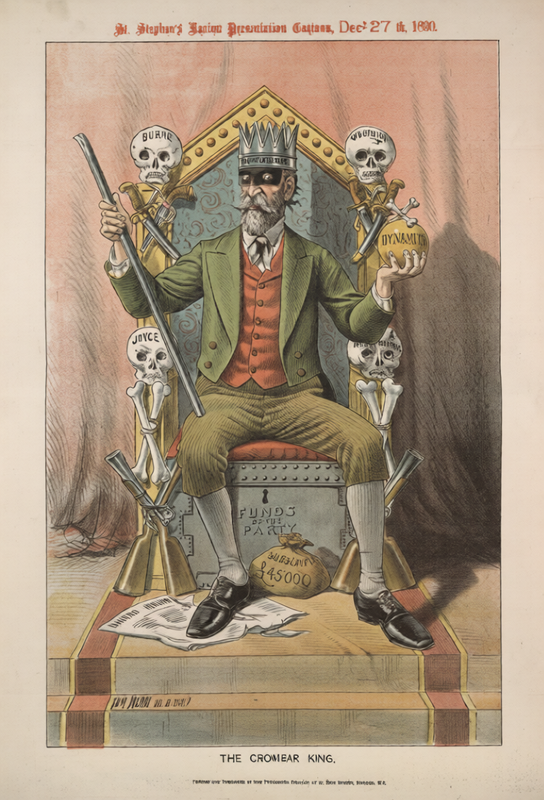
Festy King ... King elois Crowbar, once known as Meleky, impersonating a climbing boy ... Tykingfest and Rabworc When Tristan visits Ireland in disguise to be healed by Isolde, he adopts the alias (elois) Tantris. Crowbar refers to a cartoon in the December 1890 issue of St Stephen’s Review, depicting Charles Stewart Parnell as the Crowbar King. Allegedly, Parnell used a crowbar to break into the offices of United Ireland, the Irish Parliamentary Party’s newspaper, following his loss of the party leadership and his control of its resources. Parnell had been popularly known as the Uncrowned King of Ireland. Parnell was once falsely rumoured to have escaped from Captain O’Shea, his mistress’s husband, by fleeing down a fire escape in his nightshirt. In Hebrew, melekh means king, and is the source of the name Malachy. Two High Kings of Ireland called Máel Sechnaill in Irish are usually known in English as Malachy. The second of these preceded and succeeded Brian Ború, whose Pyrrhic victory at Clontarf is alluded to in clanetourf.
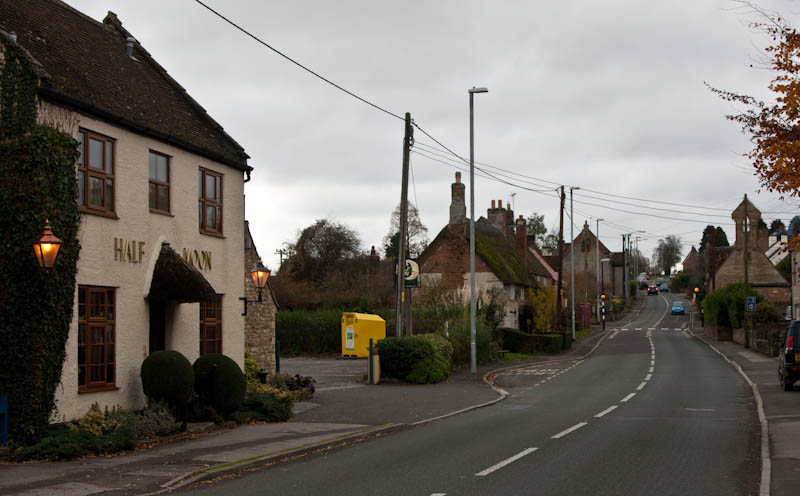
Mudford Joyce took this name from a list he compiled of eccentric English village names:
Eng. villages / White Ladies Aston / Martyr Worthy / Swine / Foulmire / Mucking / Mudford / Barton in the Beans / Great Snoring / Eggbuckland / Toft Monks / Nether Wallop / Toller Porcorum / Huish Champflower ―James Joyce VI.B.1.099e
Mudford, the only entry in the list that actually found its way into Finnegans Wake, is the name of a village in Somerset. The name recalls that of Áth Cliath (Ford of Hurdles), the village that lent its name to Dublin. The ford of hurdles was a wickerwork of osiers that was laid down in the muddy bed of the River Liffey to allow pedestrians to cross the river at low tide without getting their feet dirty. As FWEET points out, Mud = ALP, the muddy river, while ford = HCE.
Pigs
In the newspaper report on the feud between Festy King and Pat O’Donnell, we read:
James Lyden gave evidence that King was holding a pig and did not hit O’Donnell.
―The Connacht Tribune and Tuam News Saturday 20 October 1923, Page 7, Columns 4–5
Joyce takes the hint and fills the present paragraph with a litany of allusions to pigs:
Festy You can’t spell Festy without sty, a pig-pen.
middlewhite fair in Mudford The middle white is a British breed of domestic pig. As FWEET notes, pigs have no sweat glands, so they wallow in mud to keep themselves cool.
picked by him and Anthony Saint Anthony the Great is the parton of swineherds. The Tantony Pig, or smallest pig in a litter, is named for him.
a pedigree pig pig is also slang for policeman.
hyacinth A flowering plant, a gemstone, and a personal name (we will shortly be meeting Hyacinth O’Donnell), there is probable also an allusion to the Ancient Greek ὗς [hys], pig.
suckling a suckling pig is a young pig that is slaughtered for food before the end of its second month.
into the meddle of the mudstorm more wallowing pigs.
to help the Irish muck to look his brother dane in the face Irish: muc = pig. This clause incorporates both the ancient conflicts between native Irish & invading Vikings and the more recent competition between Danish & Irish bacon.
jews’ totems the pig is a taboo animal in Jewish culture. Sigmund Freud’s Totem and Taboo helped to connect these two related concepts.
ballybricken Ballybricken is a district in Waterford City where a large open-air market was held from at least 1680. Ballybricken was the centre of the pig and bacon industry, for which Waterford was famous. As early as 1831 pig markets were held on the Green twice a week.
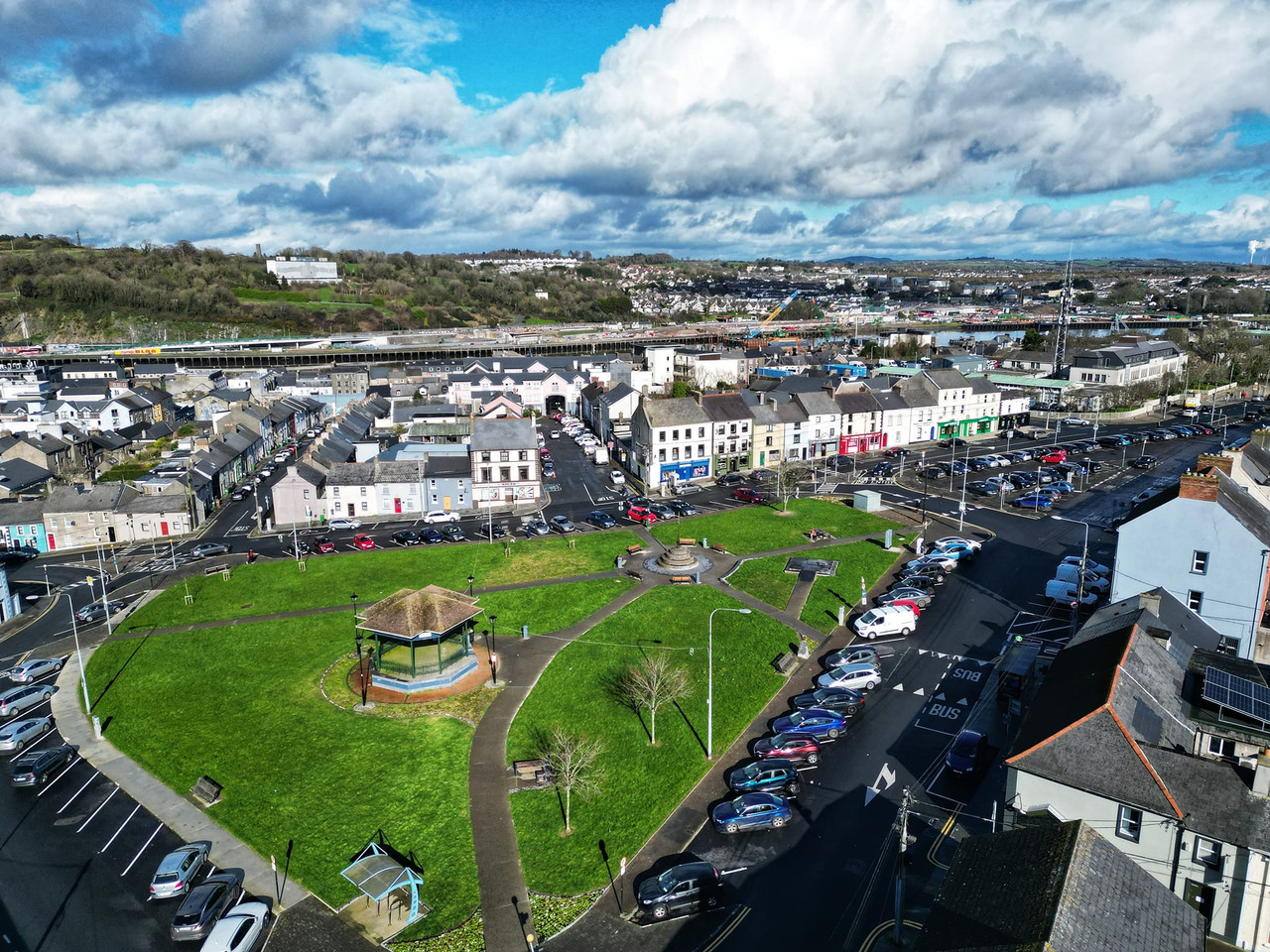
selling the gentleman ratepayer In Anglo-Irish, the gentleman who pays the rent was the household pig, who might be sold to pay the rent.
ate a whole side of his (the animal’s) sty a side of bacon is a salted and cured longitudinal cut of a pig’s abdominal wall. A sty is a pig-pen. In the same issue of The Connacht Tribune and Tuam News in which Joyce found the account of Festy King’s dispute with Pat O’Donnell there was also an article about peddlers, or cheap jacks, in Loughrea, County Galway, who were refusing to take their business elsewhere:
”CHEAP JACKS”
The town steward reported that the “cheap jacks” refused to withdraw from the Main Street to Dunkellin street as ordered by the board ...Mr. Greene also referred to an order formerly made by the board that sheep or pigs were not to be allowed on the sidewalks on fair days. After the last fair a trader complained to him the woodwork in front of her house was almost eaten away by a pig, and when she complained to the owner, the only satisfaction she got was that the same pig ate the door of the pigsty at home, and that was the reason she sold it (laughter).
Mr. Mulcair: All for the good of trade *renewed laughter).
Mr. Greene: If a pig ate the window still [sill ?] of your house, would you not say it was for the good of trade (more laughter).
―The Connacht Tribune and Tuam News 20 October 1923 Page 5 Column 2
Qui Sta Troia Italian: Here is Troy. But there is also the Italian slang: Questa troia! = What a slut! (literally what a sow). The following hiss or lick refers to Hisarlik, the Turkish name of the archaeological mound in which Heinrich Schliemann discovered the remains of the ancient city of Troy or Ilion. It has been claimed that the Italian word for sow, troia comes from the Latin Porcum de Troia (Hog of Troy), a culinary term for a stuffed roasted pig, styled after the Trojan horse.
six doubloons fifteen This is the fourth reference to the sum of money that lies behind the dispute. In the previous chapter, Herr Betreffender complained that a sum of money had been stolen from him while he was staying at HCE’s tavern. The actual amount has varied from 11/- (eleven shillings, or 132 pence) to £6 15/- (135 shillings).
And that’s as good a place as any to beach the bark of our tale.
References
- Kevin Barry (editor), James Joyce: Occasional, Critical, and Political Writing, Oxford University Press, Oxford (2000)
- Joseph Campbell, Henry Morton Robinson, A Skeleton Key to Finnegans Wake, Harcourt, Brace and Company, New York (1944)
- Edmund Lloyd Epstein, A Guide Through Finnegans Wake, University Press of Florida, Gainesville, Florida (2009)
- John Garvin, _James Joyce’s Disunited Kingdom and the Irish Dimension, Gill and Macmillan, Dublin (1976)
- Adaline Glasheen, Third Census of Finnegans Wake, University of California Press, Berkeley, California (1977)
- Timothy Charles Harrington, The Maamtrasna Massacre: Impeachment of the Trials, Nation Office, Dublin (1884)
- David Hayman, A First-Draft Version of Finnegans Wake, University of Texas Press, Austin, Texas (1963)
- Eugene Jolas & Elliot Paul (editors), transition, Number 4, Shakespeare & Co, Paris (1927)
- James Joyce, Finnegans Wake, The Viking Press, New York (1958, 1966)
- James Joyce, James Joyce: The Complete Works, Pynch (editor), Online (2013)
- Roland McHugh, Annotations to Finnegans Wake, Third Edition, The Johns Hopkins University Press, Baltimore, Maryland (2006)
- Henry Enfield Roscoe, Chemistry, D Appleton & Company, New York (1876)
- Danis Rose, John O’Hanlon, The Restored Finnegans Wake, Penguin Classics, London (2012)
- Jarlath Waldron, Maamtrasna: The Murders and the Mystery, Edmund Burke Publisher, Dublin (1992)
Image Credits
- Maamtrasna: Anonymous Photograph, Public Domain
- Map of the Maamtrasna Massacre: © Jarlath Waldron (creator), Maamtrasna: The Murders and the Mystery, Fair Use
- Myles Joyce: G R & Co (photographers), National Library of Ireland, Public Domain
- Green Street Courthouse: © Finbarr Cotter (artist), Fair Use
- The Old Famine Church, Mayo Abbey: © Jeremy Kerr (photographer), Fair Use
- The Crowbar King: Tom Merry (illustrator), St Stephen’s Review, London, 27 December 1890 : Public Domain
- Mudford, Somerset: © Malcolm, Dorset Camera (photographer), Creative Commons License
- Ballybricken, Waterford: © Garry White (photographer), Fair Use
Useful Resources
- FWEET
- Jorn Barger: Robotwisdom
- Joyce Tools
- The James Joyce Scholars’ Collection
- FinnegansWiki
- James Joyce Digital Archive