Flooring as the Foundation of Great Design: How to Choose Materials That Elevate Your Space
The right flooring unites style, durability, and practicality, creating a foundation that supports both design goals and daily living needs. Hardwood floors bring timeless beauty, natural warmth, and lasting value, making them a classic choice for high-traffic areas. Laminate offers a versatile, cost-effective alternative that can mimic wood or stone while resisting wear, especially when paired with water-resistant features that protect against everyday spills. For homes needing comfort underfoot and easy upkeep, vinyl flooring provides exceptional durability and a wide range of design options, from sleek modern patterns to rustic textures.
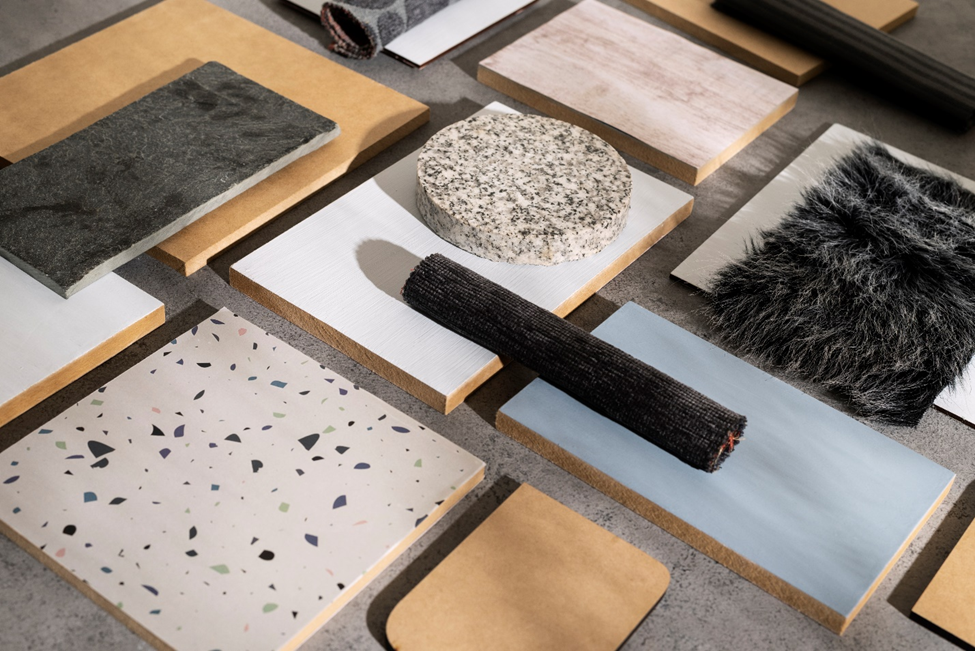
Beyond material choice, protection plays a key role in longevity. Rugs not only define spaces and add softness but also shield vulnerable areas from moisture, dirt, and heavy foot traffic. In kitchens, entryways, or bathrooms where water exposure is frequent, selecting water-resistant finishes or adding protective layers helps maintain appearance and performance.
By balancing materials, design, and protection, flooring becomes more than a surface, it transforms into an integral part of your home’s atmosphere, supporting comfort, beauty, and functionality for years to come.
The Role of Flooring in Setting the Tone of a Room
Hardwood, laminate, and tile each bring qualities that shape a room’s atmosphere and function. Natural materials like wood or stone add warmth, texture, and authenticity, while laminate provides a versatile, budget-friendly option that can realistically mimic other surfaces. Choosing the right flooring means balancing beauty, durability, and maintenance.
Design style also guides selection. Dark hardwoods create a sophisticated, intimate feel, while lighter tones open spaces and enhance natural light. Patterned tiles add personality and structure, making them ideal for statement areas such as entryways or kitchens.
Professional installation ensures flooring looks great and performs well over time. Proper alignment of tiles or careful floating of laminate planks affects the finished result. When flooring complements lighting, furniture, and finishes, it anchors the design, supports visual flow, enhances comfort, and adds lasting value to the space.
Balancing Aesthetics and Functionality in Material Selection
When choosing flooring, designers balance aesthetics with performance to ensure the material enhances both the look and function of a space. Concrete floors bring industrial strength and pair well with modern or farmhouse interiors, especially when softened with strategic lighting. Marble offers timeless elegance and natural variation, perfect for spaces aiming for a sense of luxury. Engineered wood delivers the warmth of hardwood with added moisture resistance, making it suitable for kitchens or basements.
Maintenance also shapes decisions. Engineered wood or concrete can often be refreshed through refinishing or staining, extending their lifespan and updating their appearance without full replacement. In high-traffic commercial areas, durability and ease of cleaning are critical. In residential settings, priorities may shift toward comfort underfoot and visual harmony with the overall design style.
By aligning performance with aesthetics, designers create spaces that meet practical needs while telling a cohesive visual story. The right material ensures flooring remains both functional and beautiful, supporting daily use and long-term value.
How Color, Texture, and Pattern Influence Design Flow
In flooring design, material choice works hand in hand with color, texture, and pattern to shape how people experience a space. Dark flooring adds depth and a grounded feel, while lighter tones open up a room and enhance natural brightness. Luxury vinyl tile offers versatile patterns and a protective wear layer for long-lasting beauty, combining style with durability.
Industrial-inspired spaces benefit from polished concrete or other concrete flooring options, which bring sleek surfaces and exceptional water resistance when properly sealed. For a classic touch, ceramic tile delivers crisp lines, varied textures, and design flexibility, making it a go-to choice in both residential and commercial interiors.
Patterns guide movement and define areas, from elongated layouts that stretch a hallway’s visual length to geometric shapes that mark transitions between rooms. The right blend of tone, material, and finish ensures the floor not only supports daily use but also contributes to the overall atmosphere, making it a central element in any cohesive design plan.
Sustainability and Longevity in Flooring Choices
The right flooring should balance style, durability, and function. Ceramic and porcelain tiles are valued for strength and moisture resistance, making them ideal for kitchens, bathrooms, and entryways. With proper sealing, they resist stains, water, and wear, retaining their look for decades.
For natural character, stone flooring provides one-of-a-kind patterns and color variations formed over centuries. Though it requires sealing and routine care to prevent damage, these steps preserve its beauty and extend lifespan, ensuring long-term value.
Professional installation is key to maximizing durability and appearance. Proper subfloor preparation, precise alignment, and correct use of grout and sealants make a noticeable difference, especially with large-format tiles, stone, or patterned layouts that demand accuracy.
When thoughtfully chosen and installed, flooring enhances both comfort and design. Whether it’s the timeless appeal of stone, the sleek finish of porcelain, or the versatility of ceramic, quality materials with expert craftsmanship deliver enduring beauty.
Coordinating Flooring with Furniture and Architectural Elements
Flooring sets the foundation for a room’s style, comfort, and durability. Options like reclaimed wood bring natural warmth, luxury vinyl plank offers modern versatility, bamboo provides a sustainable look, and carpet adds softness, texture, and acoustic comfort that makes spaces more inviting.
Designers consider how flooring interacts with light, color, and layout. Bright, open rooms may benefit from the organic tones of bamboo or wood, while sleek modern interiors are enhanced with luxury vinyl plank. Carpet, available in many patterns and pile heights, defines zones in open floor plans and complements furniture groupings.
Functionality also drives material choice. Traffic levels, maintenance, and mood influence decisions just as much as aesthetics. When flooring coordinates with furniture scale, wall colors, and architectural features, the entire design feels cohesive. Thoughtfully chosen, flooring not only covers a room but anchors the design, enhances comfort, and brings the space to life.
Ready to elevate your space with the right flooring? Let inhomeflooring.com help you choose materials that balance style, durability, and function, perfectly tailored to your home or business. From hardwood and tile to vinyl, laminate, and carpet, we provide expert guidance and professional installation every step of the way.
Transform your space with flooring designed to last. Schedule your consultation at https://inhomeflooring.com/in-home-flooring/ today and get started on your project.