Bird of Paradise (Strelitzia): The Tropical Showstopper Every Garden Craves
When a splash of sunrise lands in your garden, it’s usually the work of the Bird of Paradise—Strelitzia reginae—that flamboyant, palm‑like herbaceous plant.
Native to South Africa’s mist‑kissed valleys, this striking specimen has earned its common name from the flower’s uncanny resemblance to a tropical bird in mid‑flight: vivid orange “beak” petals framing a pristine white “wing” backdrop.
What makes it special?
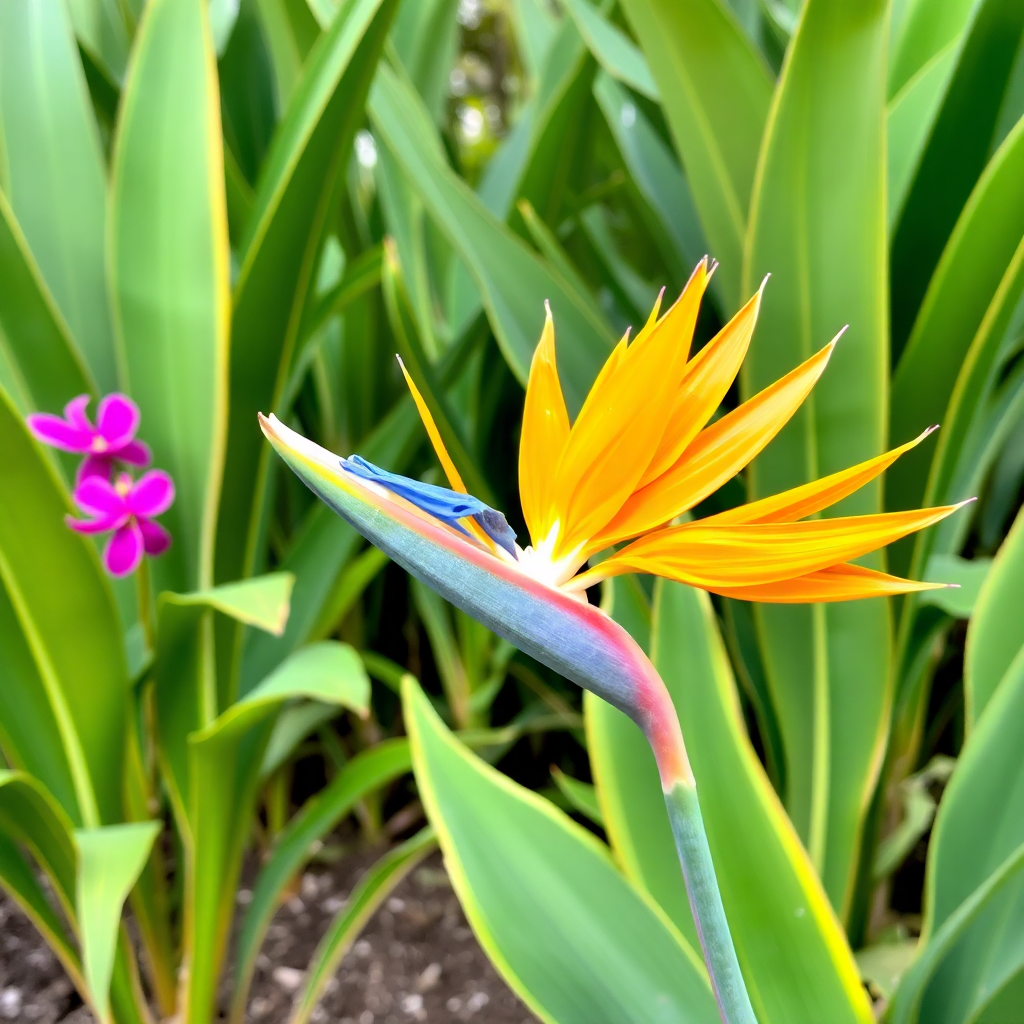
Botanically, Strelitzia belongs to the family Strelitziaceae and grows from a robust rhizome that can reach 1.5 m (5 ft) high in optimal conditions.
Its glossy, banana‑shaped leaves form a dense crown, offering an architectural backdrop for the bold blooms that appear on sturdy, branched stalks. Each inflorescence is technically a pseudanthium—a cluster of many tiny flowers that fuse into one spectacular unit.
Caring for the showpiece
- Light: Full sun to light shade; too much shade reduces flowering.
- Soil: Well‑draining, loamy mix with a pH of 5.5–7.0. Adding organic compost improves moisture retention without waterlogging.
- Water: Keep the root zone consistently moist during the growing season, but allow the top inch of soil to dry out between watering. Over‑watering invites root rot.
- Fertilizer: A balanced 10‑10‑10 NPK applied monthly from spring through early autumn encourages robust growth.
- Temperature: Thrives in 18‑30 °C (65‑85 °F). In cooler climates, treat it as a houseplant or move it indoors during winter; a bright windowill or greenhouse works wonders.
Symbolism and design tips
In Victorian floriography, the Bird of Paradise signified joy, freedom, and exotic adventure—perfect for a summer soirée backdrop or a bold focal point in a tropical‑themed patio. Plant it in large containers to showcase its foliage, or group several in a bedscape for a cascading wave of color.
Whether you’re a seasoned horticulturist or an eager indoor gardener, Strelitzia delivers drama, resilience, and a touch of the exotic—turning any space into a perpetual sunrise. Embrace the bird, and let your garden take flight.