Acroclinium: The Ultimate Guide to Growing Paper Daisies
If you’re looking to add a touch of everlasting beauty to your garden, look no further than the Acroclinium flower (Rhodanthe chlorocephala). Often referred to as the "Paper Daisy" or "Strawflower," this native Australian annual is a favorite among gardeners and floral designers alike for its delicate appearance and incredible longevity.
Why Grow Acroclinium?
The defining characteristic of the Acroclinium is its unique, papery texture. The petals feel dry and brittle even while the flower is still blooming, which is exactly why they are prized for dried floral arrangements. When cut at the right stage, these blooms retain their vibrant color and shape for months, or even years, after being harvested.
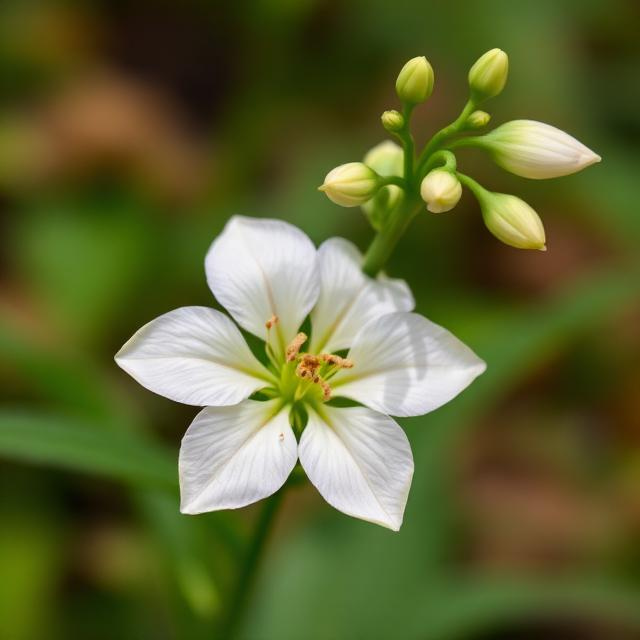
Typically blooming in shades of soft pink or pristine white with sunny yellow centers, Acroclinium provides a dainty, wildflower aesthetic that thrives in borders, rock gardens, and containers.
Cultivation Tips for Success
Acroclinium is surprisingly easy to grow if you mimic its natural, arid-environment preferences:
- Sunlight: These flowers are sun-worshippers. Ensure they receive full, direct sunlight for the best bloom production.
- Soil: They demand excellent drainage. If your soil is heavy clay, mix in sand or grit. They prefer poor to moderately fertile soil; overly rich soil often leads to excessive leaf growth at the expense of flowers.
- Watering: Once established, Acroclinium is moderately drought-tolerant. Avoid overwatering, as the roots are prone to rot in waterlogged conditions.
- Harvesting: For drying, cut the stems just as the flowers begin to open. Hang them upside down in a cool, dark, well-ventilated area.
Whether you want to create stunning dried bouquets or simply brighten up your garden beds, the Acroclinium is a versatile, low-maintenance choice that brings a timeless, ethereal charm to any space. Add these papery wonders to your seed list this season—you won't be disappointed!
Upvoted! Thank you for supporting witness @jswit.