Snapdragons: The Playful Palette of the Garden
If you’ve ever walked through a garden and heard a faint “pop” as you brushed past a cluster of flowers, you were likely meeting a snapdragon. Known scientifically as Antirrhinum majus, snapdragons have charmed gardeners for centuries with their vivid colors, whimsical shape, and surprising resilience.
Why Snapdragons Stand Out
Snapdragons get their name from the dragon‑like “mouth” that opens and closes when you gently squeeze the sides of the flower. This playful feature isn’t just for show; in the wild, it helps protect the delicate reproductive parts from rain and uncoordinated pollinators.
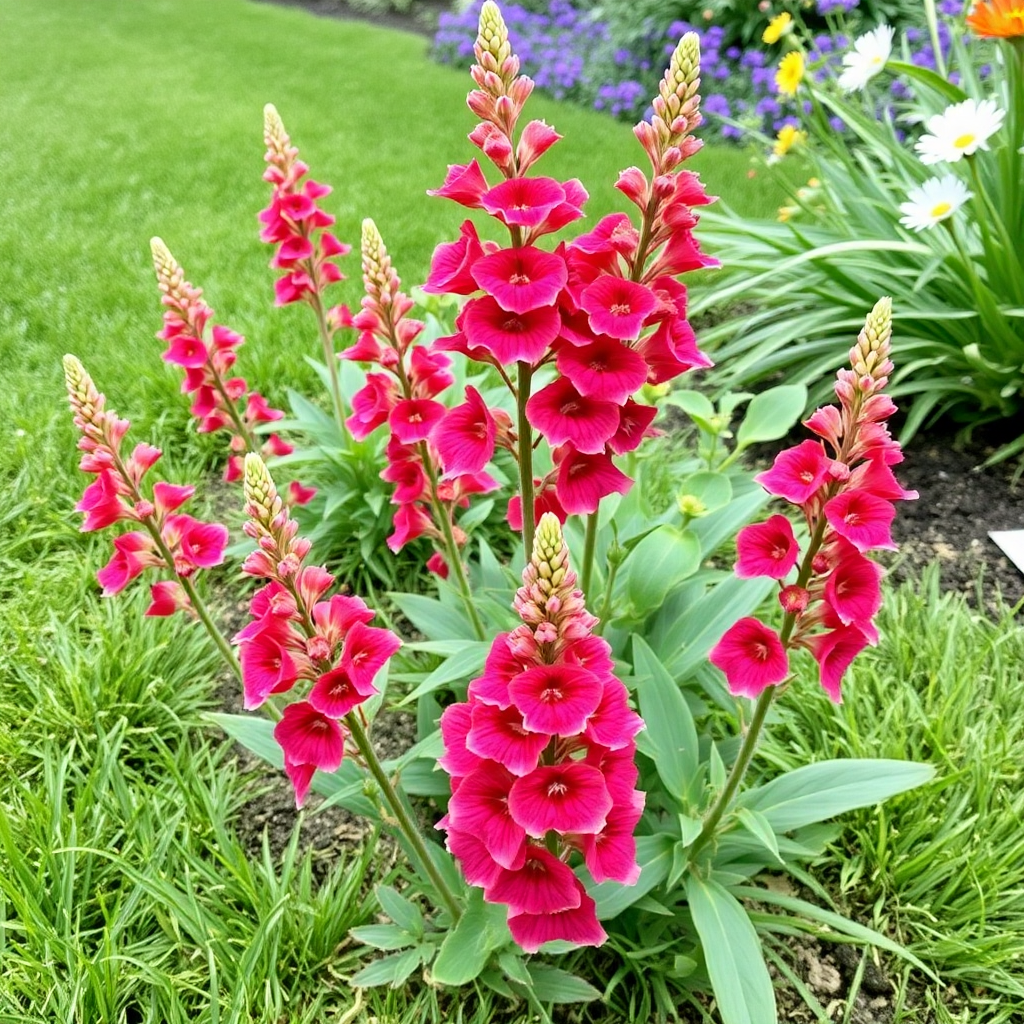
The result is a bold, tubular blossom that comes in a rainbow of hues—deep maroons, sunny yellows, soft pinks, and even bi‑color varieties that transition from one shade to another.
Growing Tips for a Thriving Display
Sunlight & Soil – Snapdragons love the sun. Plant them in a spot that receives at least six hours of direct light daily. Well‑draining, loamy soil enriched with compost will keep roots happy and prevent rot.
Water Wisely – While they tolerate brief dry spells, regular watering (about one inch per week) encourages fuller blooms. Water at the base to keep foliage disease‑free.
Staggered Planting – For a continuous floral showcase, sow seeds or transplant seedlings every two weeks from early spring until midsummer. This “staggered planting” trick yields fresh blossoms from early May right through the first frosts.
Deadheading – Snip spent stems promptly. This pushes the plant to produce new buds, extending the blooming period and keeping the garden tidy.
Symbolism & Uses
Historically, snapdragons have been associated with grace, strength, and a touch of whimsy. In Victorian floriography, they symbolized “graceful thoughts,” while today they often appear in wedding bouquets for their playful elegance. Beyond décor, snapdragons attract beneficial insects—bees, butterflies, and even hummingbirds—making them an eco‑friendly addition to any pollinator garden.
A Quick Recap
Snapdragons are more than just pretty faces; they’re hardy, low‑maintenance, and packed with personality. Whether you’re a seasoned horticulturist or a beginner looking for a splash of color, these “dragon‑mouth” blooms promise a garden that’s as lively as it is beautiful. Plant a few this season, and watch your garden come alive—one snap at a time.