The Timeless Elegance of Magnolia Flowers: Nature’s Sophisticated Bloom
When it comes to botanical elegance, few plants command as much respect as the magnolia. With their lush, waxy petals and intoxicating, lemon-tinged fragrance, magnolia flowers have been a staple of Southern gardens and floral design for centuries.
Whether you’re a seasoned gardener or a flower enthusiast, understanding the allure of these prehistoric beauties is a must.
A Living Fossil
Magnolias are true survivors. Fossil evidence suggests that magnolias existed over 20 million years ago, evolving before bees were even prominent.
Because of this, they were originally pollinated by beetles, which explains their incredibly tough, thick petals designed to withstand rough landings. This deep history lends a sense of timelessness to any landscape they occupy.
Varieties for Every Garden
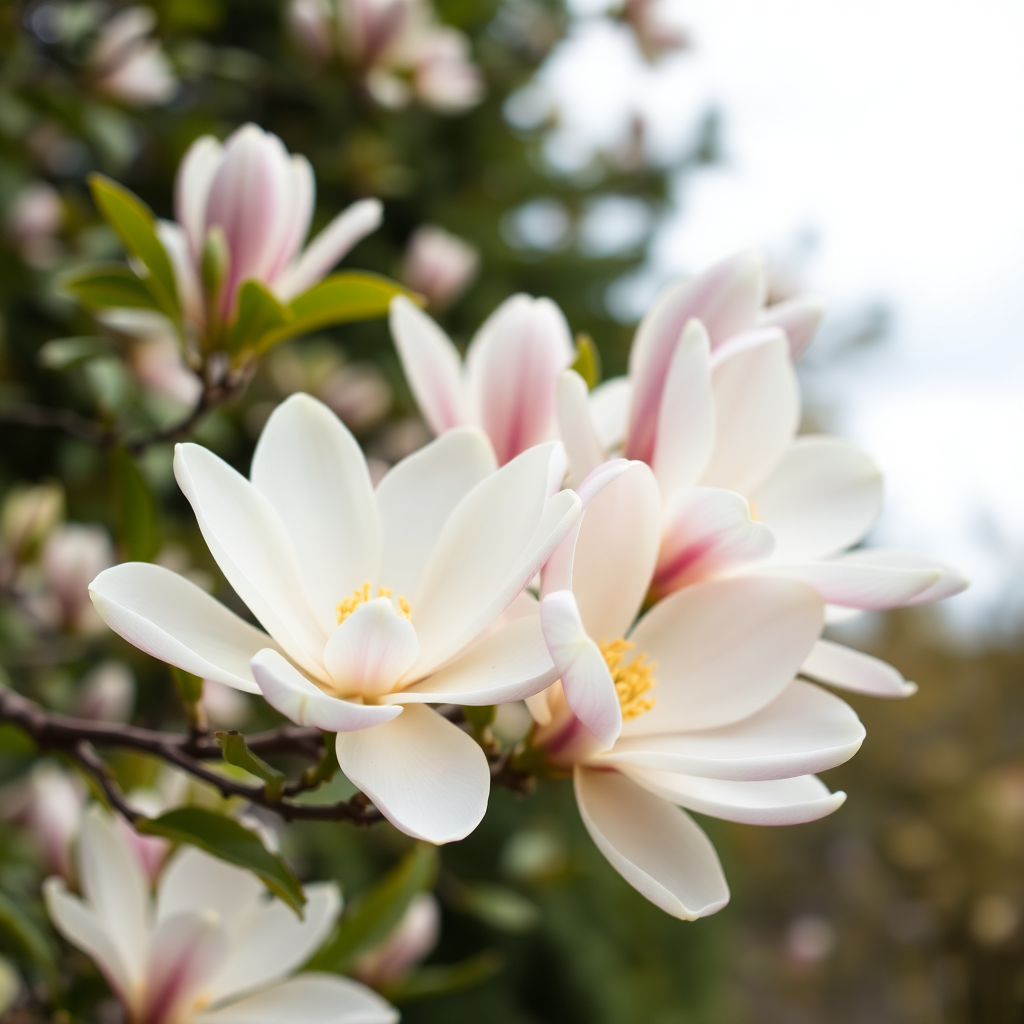
The genus Magnolia offers incredible diversity. If you are looking for a showstopper, the Southern Magnolia (Magnolia grandiflora) is the gold standard. Its massive, creamy-white blossoms and deep, evergreen foliage create a regal aesthetic.
For those with smaller spaces, deciduous varieties like the Saucer Magnolia (Magnolia x soulangeana) are perfect. These bloom on bare branches in late winter or early spring, painting the landscape in shades of soft pink, purple, and white—a welcome sign that warmer weather is on the horizon.
Tips for Growing Success
To keep your magnolias thriving, focus on three pillars: sunlight, soil, and space.
- Sunlight: Most varieties prefer full sun to partial shade.
- Soil: Magnolias thrive in rich, slightly acidic, well-draining soil. Adding organic compost can provide the nutrients they crave.
- Space: Because these trees can grow quite large, ensure you have plenty of room for their root systems to spread.
Integrating magnolias into your garden is more than a landscaping choice—it’s an investment in classic beauty. With their dramatic blooms and effortless grace, magnolias remain the undisputed royalty of the botanical world.