The Rise of the Palate: Why Food Tourism is Transforming Modern Travel
In the past, travel was primarily defined by monuments, museums, and landscapes. Today, there is a new centerpiece to the itinerary: the plate. Food tourism—the pursuit of unique and memorable eating and drinking experiences—has evolved from a niche activity into a global phenomenon that fundamentally shapes how we explore the world.
The Flavor of Culture
Why has culinary travel become so dominant? It’s simple: food is the most accessible gateway to culture. While a language barrier or a historical gap might make it difficult to connect with a foreign society, a shared meal is universal.
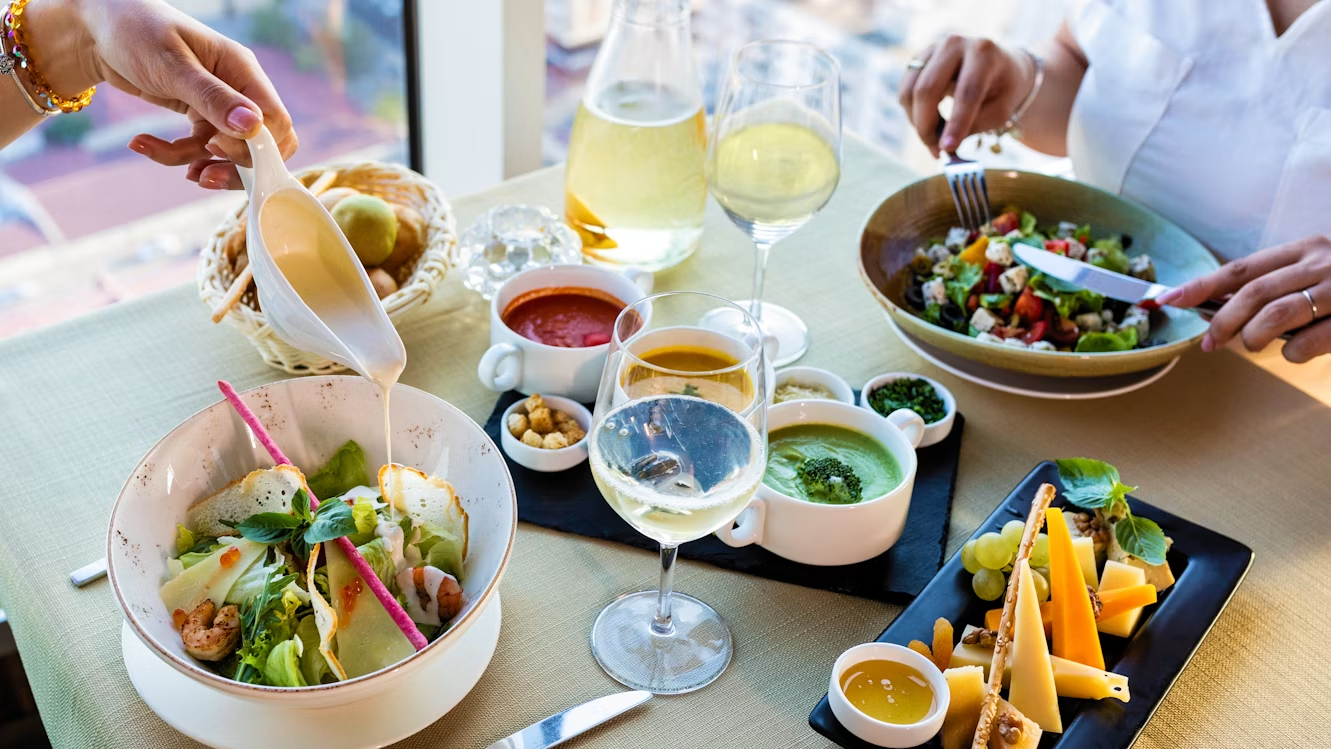
Whether it’s slurping authentic tonkotsu ramen in a hidden Tokyo alleyway, learning the delicate art of hand-rolling pasta in a Tuscan farmhouse, or navigating the vibrant chaos of a Moroccan spice market, culinary travelers seek to understand the soul of a destination through its ingredients and traditions.
The Rise of the "Foodie" Traveler
Social media has played a pivotal role in this shift. Platforms like Instagram and TikTok have turned local delicacies into "bucket list" items. However, the phenomenon goes deeper than aesthetics. Modern travelers are increasingly conscious of sustainable tourism.
They want to support farm-to-table initiatives, engage with local artisans, and learn about the provenance of their food. This shift encourages travelers to step away from tourist traps and into local markets, putting money directly into the hands of community producers.
A Recipe for Connection
Food tourism is about more than just sustenance; it’s about storytelling. Every dish serves as a historical document, reflecting migrations, trade routes, and ancestral secrets. By focusing on culinary travel, we stop being mere observers of a culture and become active participants in its most intimate tradition.
As you plan your next adventure, consider making the menu your map. After all, the best way to see the world isn't just with your eyes—it’s with your taste buds.