The First Herald of Spring: The Magic of Crocuses
As the winter chill begins to lose its grip and the days stretch just a little longer, a quiet transformation begins in the garden. Among the very first to break through the frost-dusted soil is the humble, resilient crocus.
These vibrant harbingers of spring are more than just flowers; they are a sign of hope, signaling that the slumber of winter is officially coming to an end.
Crocuses are members of the iris family, and despite their delicate appearance, they are remarkably tough. Their ability to push through frozen earth or even a light dusting of snow is a testament to nature's persistence.
Blooming in brilliant shades of purple, sunny yellow, crisp white, and delicate lavender, they provide a much-needed splash of color against the drab, neutral palette of late winter.
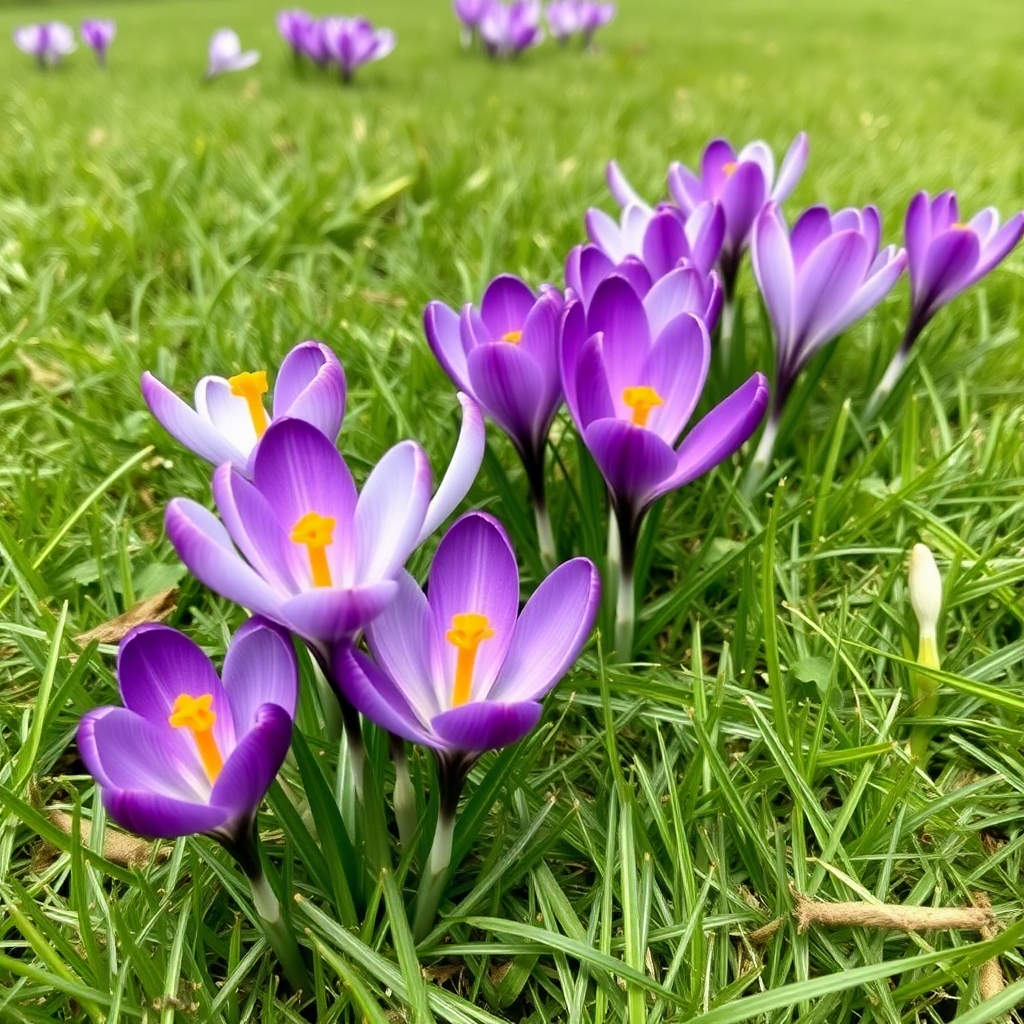
Planting crocuses is one of the most rewarding investments a gardener can make. Because they are perennial bulbs, they return year after year, often multiplying to form beautiful, sweeping carpets of color. They are best planted in the fall, tucked into well-drained soil where they can enjoy a bit of winter chill before waking up to greet the early spring sun.
Beyond their aesthetic appeal, crocuses play a vital ecological role. They are among the first sources of pollen and nectar for bees emerging from hibernation. By planting these small but mighty blooms, you are providing a crucial lifeline to pollinators when food sources are otherwise scarce.
Whether you scatter them across a lawn for a naturalized look or group them in containers on your porch, crocuses are the ultimate mood-lifter. They remind us that beauty can bloom in even the coldest of times. So, as you plan your dream garden this year, don’t overlook these tiny titans—they truly are the first cheerleaders of spring.