The Sweet Scent of Summer: Why You Need Sweet Peas in Your Garden
There is perhaps no flower that evokes the nostalgia of a classic English cottage garden quite like the Sweet Pea (Lathyrus odoratus). With their delicate, ruffled petals and an intoxicating fragrance that perfumes the air on a warm breeze, Sweet Peas are a beloved staple for both seasoned gardeners and beginners alike.
A Fragrant History
Native to Sicily, the Sweet Pea has been a garden favorite since the 17th century. While their Victorian-era counterparts were prized for their intense scent, modern breeding has expanded the palette to include everything from soft pastels and creamy whites to deep, velvety purples and vibrant bi-colors.
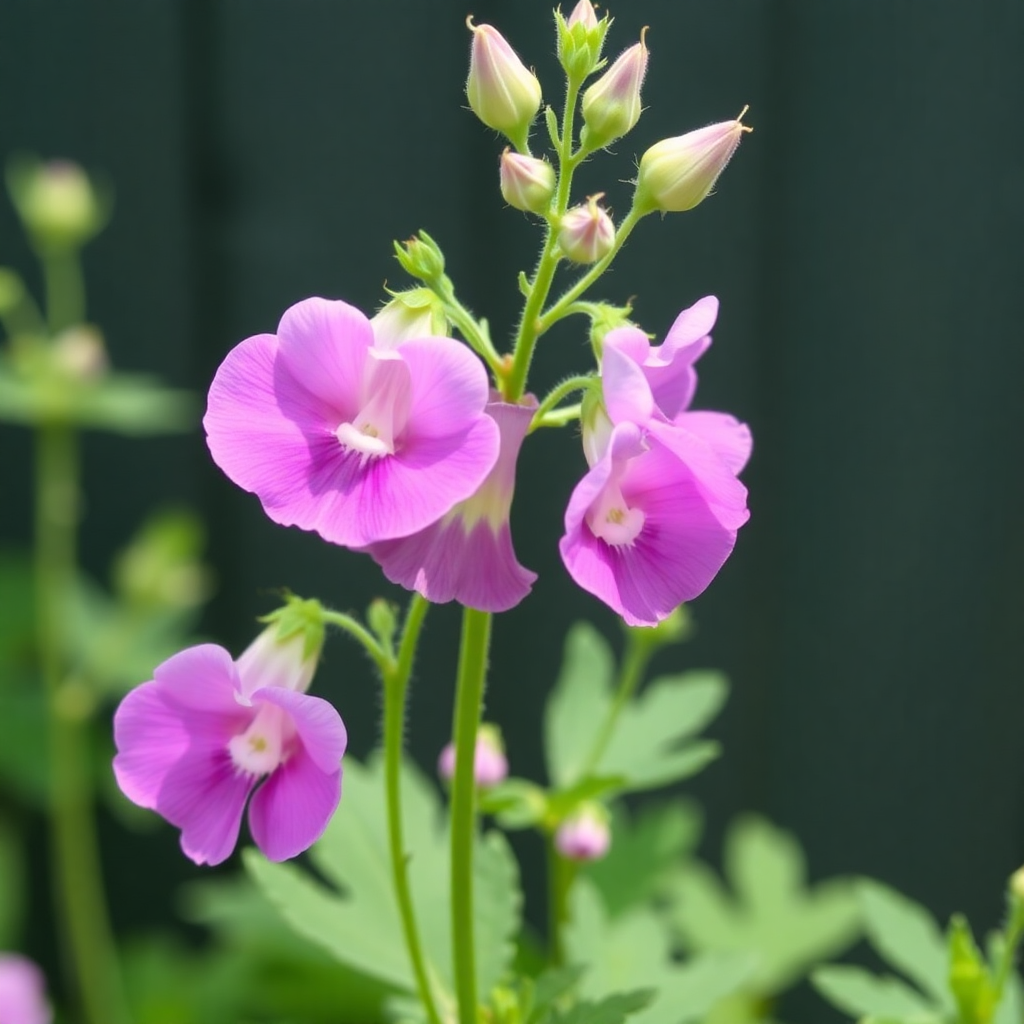
Whether you display them in a terracotta pot or let them climb a rustic trellis, they bring a sense of vertical elegance to any space.
Growing for Success
Sweet Peas are surprisingly hardy, but they do have a specific preference: they love "cool feet and warm heads." For the best results, sow your seeds in late winter or early spring. They crave deep, nutrient-rich soil and a sunny spot where they can stretch their tendrils upward.
One of the most important rules of Sweet Pea success is the snip. The more flowers you harvest, the more the plant will produce. Unlike many other flowers, Sweet Peas don't mind being cut—in fact, they demand it! Regular harvesting prevents the plant from setting seed, encouraging a continuous flush of blooms well into the early summer.
Bring the Garden Indoors
The true magic of the Sweet Pea lies in the vase. A simple handful of these blooms can scent an entire room, evoking memories of sunny meadow walks and lazy afternoons.
If you’re looking for a low-maintenance way to elevate your garden’s charm, start a row of Sweet Peas this year. Their beauty is fleeting, making them all the more precious—a perfect reminder to savor the sweetness of the season.