Petunias: The Color‑Burst Heroes of Your Garden
If you’re looking for a flower that delivers drama, durability, and a splash of color all season long, the petunia should be at the top of your planting list. Native to South America, these charming vines have traveled the world, earning a reputation as the “rock‑stars” of garden beds, hanging baskets, and container displays.
Below, we’ll explore why petunias are a must‑have, how to grow them like a pro, and a few creative ideas to showcase their brilliance.
Why Petunias Shine
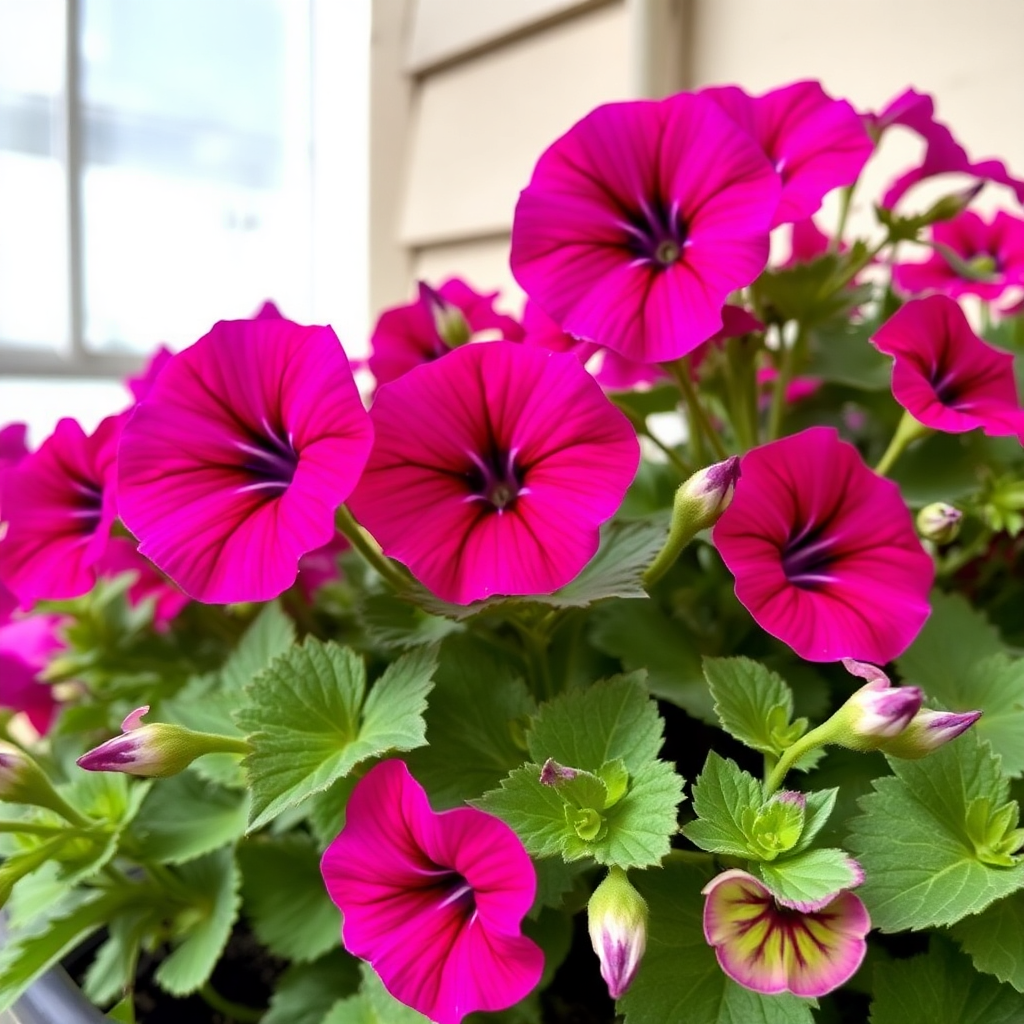
Non‑stop Color – From bold magentas and electric blues to pastel pinks and buttery yellows, petunias bloom continuously from late spring until the first frost. Their trumpet‑shaped flowers attract hummingbirds and butterflies, adding movement to any garden.
Versatile Growth Habits – Whether you choose the classic trailing varieties for baskets, the compact “wave” types for borders, or the vigorous upright cultivars for beds, there’s a petunia shape for every space.
Low‑maintenance Charm – Once established, petunias tolerate heat, moderate drought, and a range of soils. With a pinch of fertilizer every four weeks, they reward you with endless blooms.
Planting & Care Essentials
- Sunlight – Aim for at least 6 hours of direct sun daily. Too much shade leads to leggy stems and sparse flowers.
- Soil – Well‑draining, slightly acidic to neutral soil (pH 6.0‑7.0) works best. Amend heavy clay with compost or sand to improve aeration.
- Watering – Keep the soil evenly moist during the first two weeks. After roots are established, water deeply once a week, allowing the top inch to dry out between irrigations.
- Feeding – A balanced, slow‑release fertilizer at planting and a liquid feed every 3‑4 weeks will keep the flower tubes plump and vibrant.
- Pruning – Pinch back the growing tips after the first flush to encourage bushier growth and more blooms.
Creative Display Ideas
- Hanging Baskets – Mix trailing petunias with ferns for a cascading cascade on porches or balconies.
- Window Boxes – Pair contrasting colors (e.g., deep purple with bright orange) for a striking, eye‑level garden.
- Edible Pairings – Plant petunias alongside tomatoes or peppers; their shade‑loving habit can slightly cool the soil and deter certain pests.
A Quick FAQ
Do petunias attract pests? Not particularly, though aphids may appear early in the season. A gentle spray of soapy water usually solves the problem.
Can I grow petunias indoors? Yes—place them in a sunny window and use a light‑weight potting mix; they’ll thrive for several months.
Bottom line: Petunias are the ultimate “set‑and‑forget” showstoppers that bring vivid color, fragrance, and pollinator-friendly vibes to any garden. With a little sun, some well‑timed watering, and occasional feeding, you’ll enjoy a living tapestry of blooms that makes every outdoor space feel like a summer fête. Happy planting!