The Resilient Rebel: Redefining the Dandelion
In the world of gardening, few plants are as misunderstood—or as universally recognized—as the dandelion (Taraxacum officinale). Often dismissed as a stubborn weed that plagues pristine lawns, the dandelion is, in reality, a masterful survivor and a botanical powerhouse with a history as deep as its iconic taproot.
The name "dandelion" is derived from the French dent de lion, or "lion’s tooth," a reference to the jagged, serrated edges of its leaves. While homeowners might spend hours trying to eradicate them, herbalists and foragers have long revered these golden blooms for their medicinal properties.
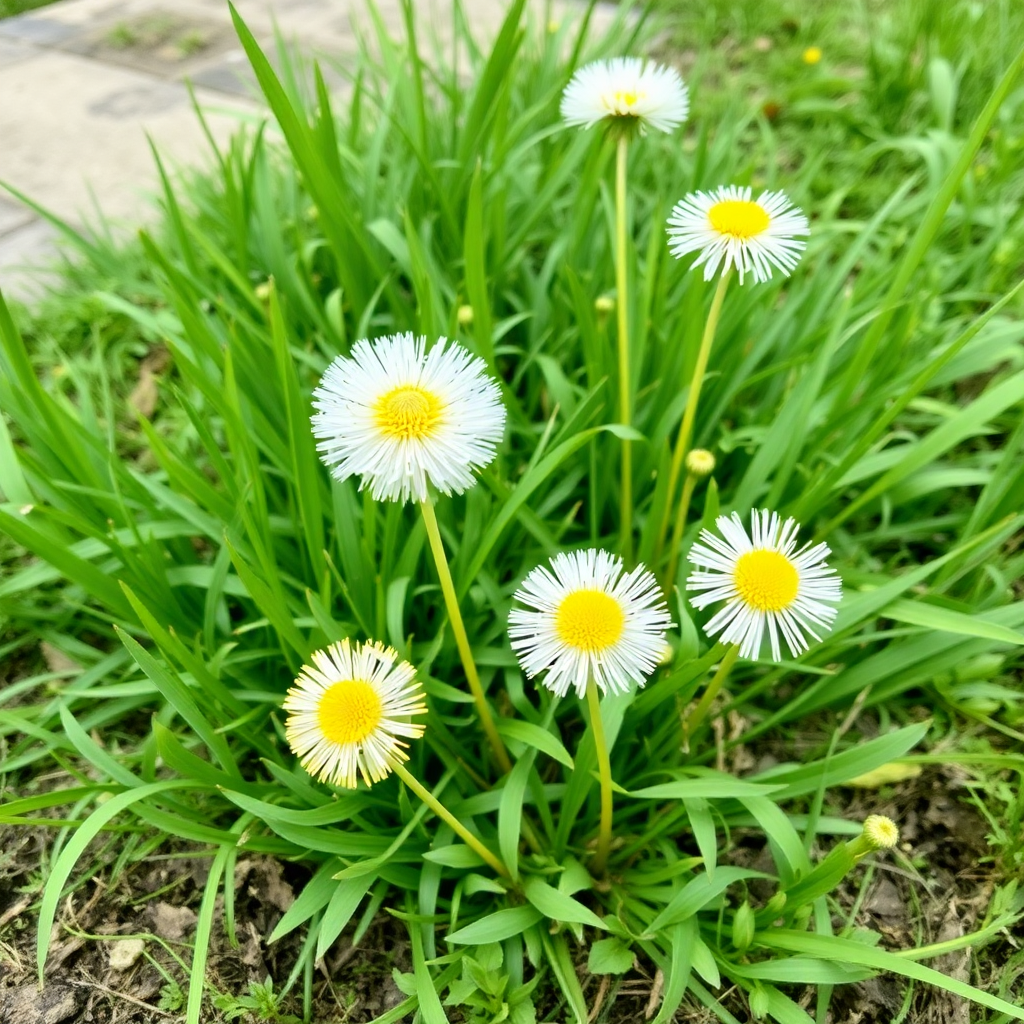
Every part of the plant is usable: the leaves are a nutrient-dense addition to salads, the roots can be roasted into a coffee substitute, and the flowers are famous for their ability to turn into a sweet, earthy wine.
Beyond the kitchen, the dandelion is an ecological hero. It is one of the very first food sources for pollinators in early spring, providing vital nectar and pollen for bees emerging from winter dormancy.
Their deep taproots also play a secret role in soil health; by breaking up compacted earth, they draw minerals from deep underground, bringing nutrients to the surface and effectively "tilling" the soil for their neighbors.
Perhaps the most magical trait of the dandelion is its life cycle. It transitions from a brilliant, sun-like yellow flower to a delicate, spherical seed head—a clock of white fluff that dances on the breeze. Each seed is a tiny glider, capable of traveling miles to colonize new ground, embodying the plant’s ultimate message: resilience.
Next time you see a patch of dandelions, try to look past the "weed" label. You aren’t looking at a nuisance; you’re looking at a hardy, helpful, and historic plant that thrives simply by refusing to give up.
Green flowers with white markings, something amazing, beautiful, my brother, wonderful! I love flowers so much, I adore them. Best of luck to everyone.