The Fragrant Herald of Spring: All About Hyacinths
When the last of the winter frost begins to retreat, few flowers capture the promise of renewal quite like the Hyacinth (Hyacinthus). With their dense, bell-shaped clusters of star-like florets and an intoxicating, sweet perfume, these Mediterranean natives are a favorite among gardeners and interior designers alike.
A Splash of Color and Scent
The genus Hyacinthus is perhaps best known for its vibrant, uniform spikes. Whether you prefer the deep, royal indigos, the soft pastel pinks, snowy whites, or sunny yellows, there is a variety to suit every garden aesthetic. Beyond their visual appeal, hyacinths are heavy hitters in the scent department.
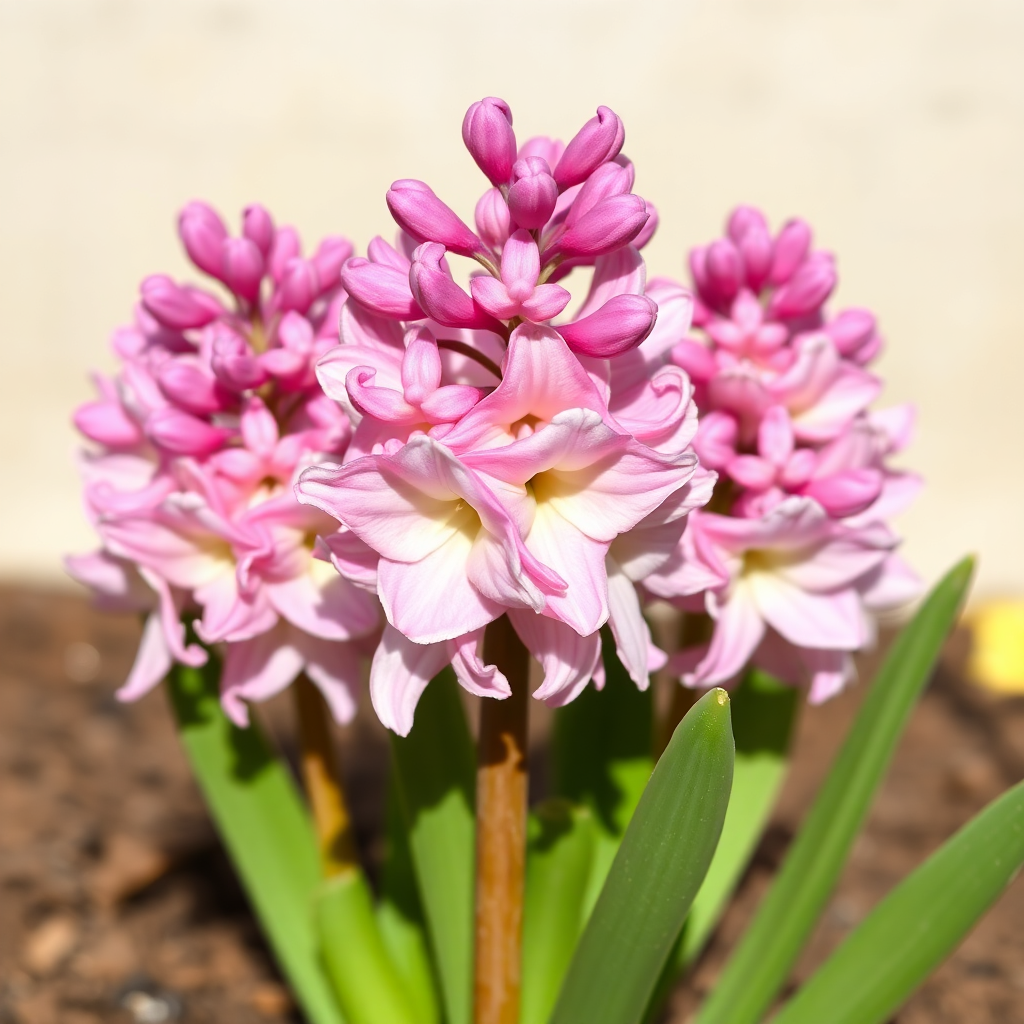
A single bowl of indoor hyacinths can fill an entire room with a rich, floral aroma that acts as a delightful antidote to the lingering gloom of late winter.
Planting for Success
To enjoy these blooms in your garden, bulbs should be planted in the autumn while the soil is still workable. Hyacinths thrive in well-draining soil and appreciate a spot that offers full sun to partial shade. Because they are smaller in stature compared to daffodils, they work impeccably when layered in front of taller perennials or tucked into rock gardens.
For those looking to enjoy them indoors, "forcing" hyacinth bulbs is a timeless tradition. By chilling the bulbs and placing them in specialized glass vases with water, you can watch the root systems develop before the vibrant bloom unfurls on your windowsill during the coldest months of the year.
A Note of Caution
While beautiful, it is important to remember that hyacinth bulbs contain oxalic acid, which can be irritating to the skin and toxic if ingested by pets or humans. Always wear gloves when planting, and keep them out of reach of curious four-legged garden companions.
Whether gracing your garden border or cheering up a tabletop, the hyacinth is a resilient, fragrant, and classic choice that celebrates the arrival of spring in the most elegant way possible.