The Timeless Charm of the Humble Daisy: Exploring Bellis perennis
When we think of a quintessential wildflower, the image of a bright yellow center fringed by delicate white petals immediately comes to mind. This is Bellis perennis, the common daisy. Often dismissed as a mere lawn weed, this resilient perennial is actually a marvel of nature and a staple of botanical history.
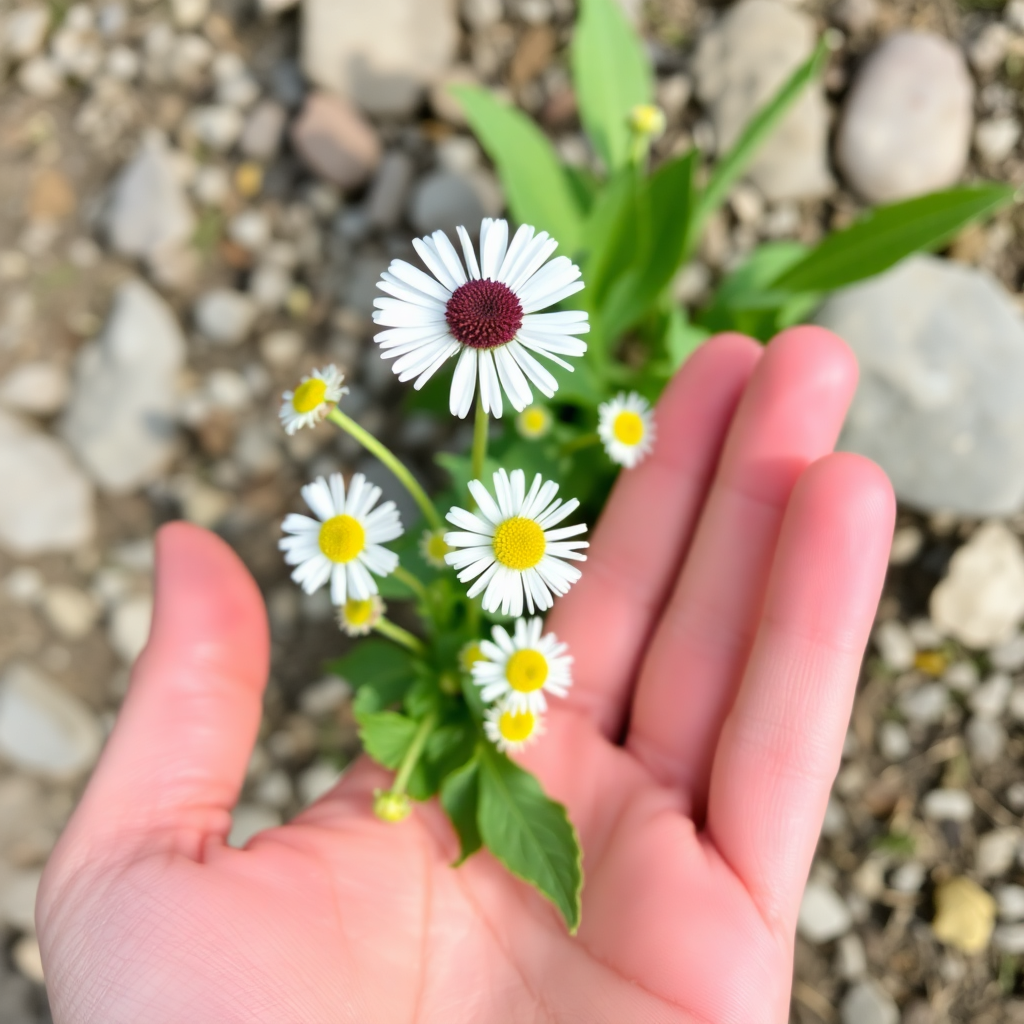
The "Day’s Eye" The name "daisy" is derived from the Old English daeges eage, meaning "day’s eye." This refers to the plant’s unique habit of closing its petals at night and reopening them at the first light of dawn. Its scientific name is equally poetic: Bellis comes from the Latin for "beautiful," while perennis reflects its "everlasting" or perennial nature.
A Master of Adaptation Native to Europe but now found across the globe, the daisy is a master of survival. As a member of the Asteraceae family, what looks like a single flower is actually a composite of many. The central yellow disk is made of tiny "disk florets," while the white "petals" are individual "ray florets." This complex structure makes them incredibly efficient at attracting pollinators.
Symbolism and Use Throughout history, the daisy has been a symbol of purity, innocence, and new beginnings. From the classic "he loves me, he loves me not" fortune-telling to the weaving of childhood daisy chains, it holds a nostalgic place in our culture.
Beyond its beauty, Bellis perennis has a history in traditional medicine. It was once used as a topical treatment for wounds and inflammation due to its astringent properties. Today, it is gaining popularity in sustainable "bee lawns" because it provides a vital source of nectar for early-season pollinators.
Whether you are spotting them in a wild meadow or allowing them to flourish in your garden, the daisy is a reminder that beauty often resides in simplicity. The next time you see these cheery faces looking up from the grass, take a moment to appreciate the "beautiful everlasting" flower.