The Charming Elegance of Scabiosa: A Gardener’s Guide to the Pincushion Flower
If you are looking to add a touch of whimsical texture and timeless elegance to your garden, look no further than Scabiosa, commonly known as the Pincushion Flower. With their delicate, ruffled petals and protruding stamens that resemble tiny pins stuck in a cushion, these blooms are as fascinating as they are beautiful.
Why We Love Them
Scabiosa is a standout in any border. Available in shades ranging from soft, powdery blues and snowy whites to deep, velvety maroons and vibrant purples, they offer a sophisticated palette for both traditional and cottage-style gardens.
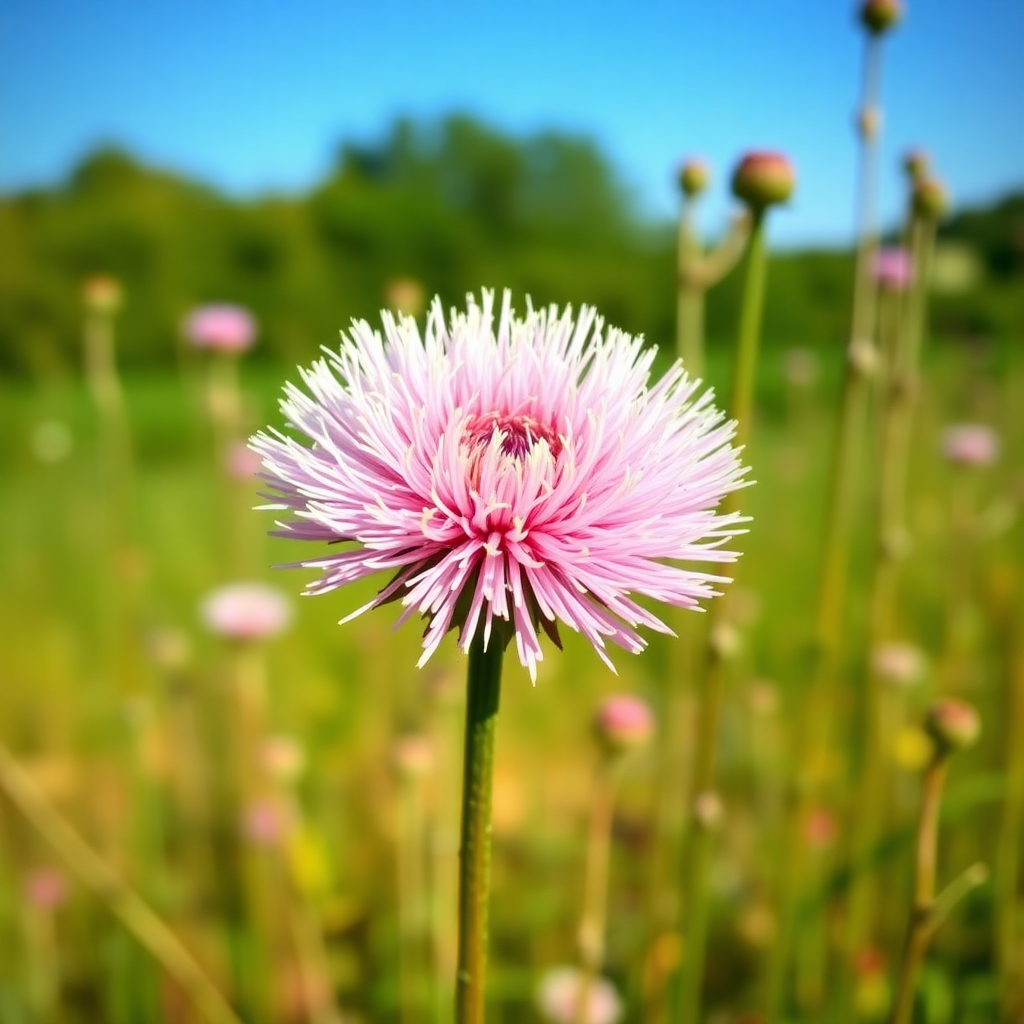
Beyond their aesthetics, Scabiosa is a powerhouse for pollinators. Butterflies, honeybees, and hoverflies are magnetically drawn to their nectar-rich centers, making them an essential addition if you want to support a healthy ecosystem in your backyard.
Plus, they are prolific bloomers; if you deadhead them regularly, these plants will reward you with a steady stream of flowers from late spring all the way until the first frost.
Growing Tips for Success
To get the most out of your Pincushion Flowers, keep these three things in mind:
- Sunlight: Scabiosa thrives in full sun. While they can tolerate light shade in hotter climates, six to eight hours of direct sunlight is ideal for maximum flower production.
- Drainage: These plants despise "wet feet." Plant them in well-draining, moderately fertile soil. In areas with heavy clay, consider adding organic matter or planting in raised beds to ensure proper drainage.
- Maintenance: Give your plants a little space. They prefer good air circulation to prevent mildew. As the season progresses, snip off faded blooms to encourage the plant to push out new buds rather than setting seed.
Whether you are looking to create a romantic wildflower meadow or simply need a reliable cut flower for your kitchen table, Scabiosa is an effortless choice that brings charm and life to any space.