Sculptural Beauty: Why Alliums Are the Stars of the Late Spring Garden
If you’re looking to add a touch of architectural drama to your landscape, look no further than the Allium. Commonly known as ornamental onions, these captivating bulbs are the bridge between the late spring tulips and the lush explosion of early summer perennials.
With their globular, star-shaped blooms held high on sturdy, leafless stalks, they bring a sense of modern art to any garden bed.
Why Gardeners Love Them
The primary allure of the Allium is its structural versatility. Whether you prefer the massive, baseball-sized purple spheres of Allium ‘Globemaster’ or the whimsical, dangling clusters of Allium schubertii, these plants offer a visual punctuation mark that few other flowers can match.
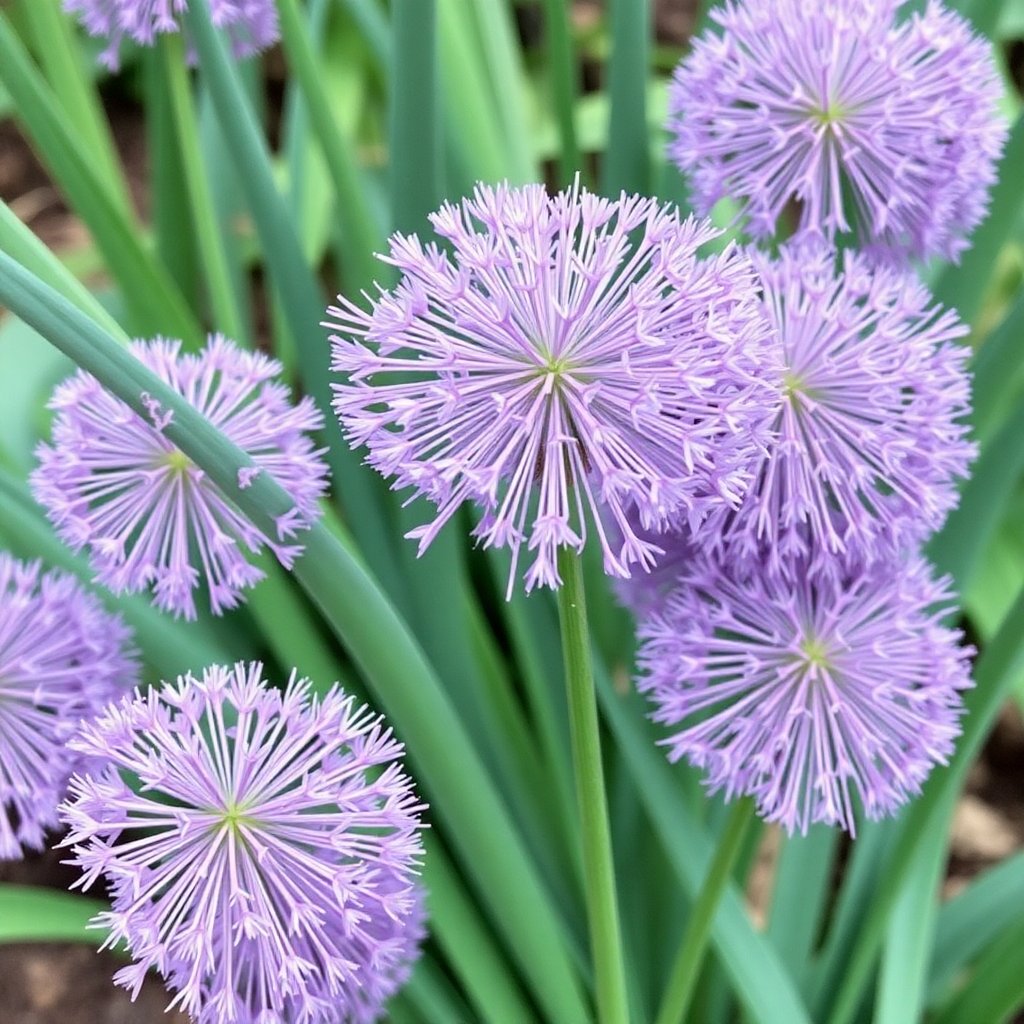
They aren’t just beautiful; they are incredibly practical. Because they belong to the onion family, they possess a pungent scent that is off-putting to deer, rabbits, and voles—making them a perfect "protected" addition to borders that are prone to hungry visitors.
Planting for Success
Alliums are remarkably easy to grow, provided they have two things: well-draining soil and full sun. They are best planted in the autumn, tucked into the ground before the first hard frost. Once established, they are drought-tolerant, requiring very little maintenance beyond a bit of bulb fertilizer in the spring.
A Design Tip
Don’t be discouraged when you notice their foliage beginning to yellow just as the flowers start to open. This is simply the nature of the plant. To keep your garden looking pristine, hide the fading leaves by planting them behind lower-growing perennials like Lady’s Mantle (Alchemilla mollis), catmint, or hardy geraniums.
As the blooms fade, they don’t just vanish; they turn into stunning, papery seed heads that add texture to the garden well into summer. From planting to drying, Alliums are a low-effort, high-reward investment for every gardener.