The Double-Edged Sword: How Globalization Impacts Small Businesses
For decades, globalization was viewed primarily as the playground of multinational corporations. However, in the digital age, the playing field has leveled. Today, even the smallest "mom-and-pop" shop has the potential to reach a global audience. But this hyper-connected economy is a double-edged sword, presenting both unprecedented opportunities and fierce competition for small business owners.
The Power of Global Reach The most immediate benefit of globalization is the removal of geographical barriers. E-commerce platforms and digital marketing tools allow small businesses to bypass local limitations.
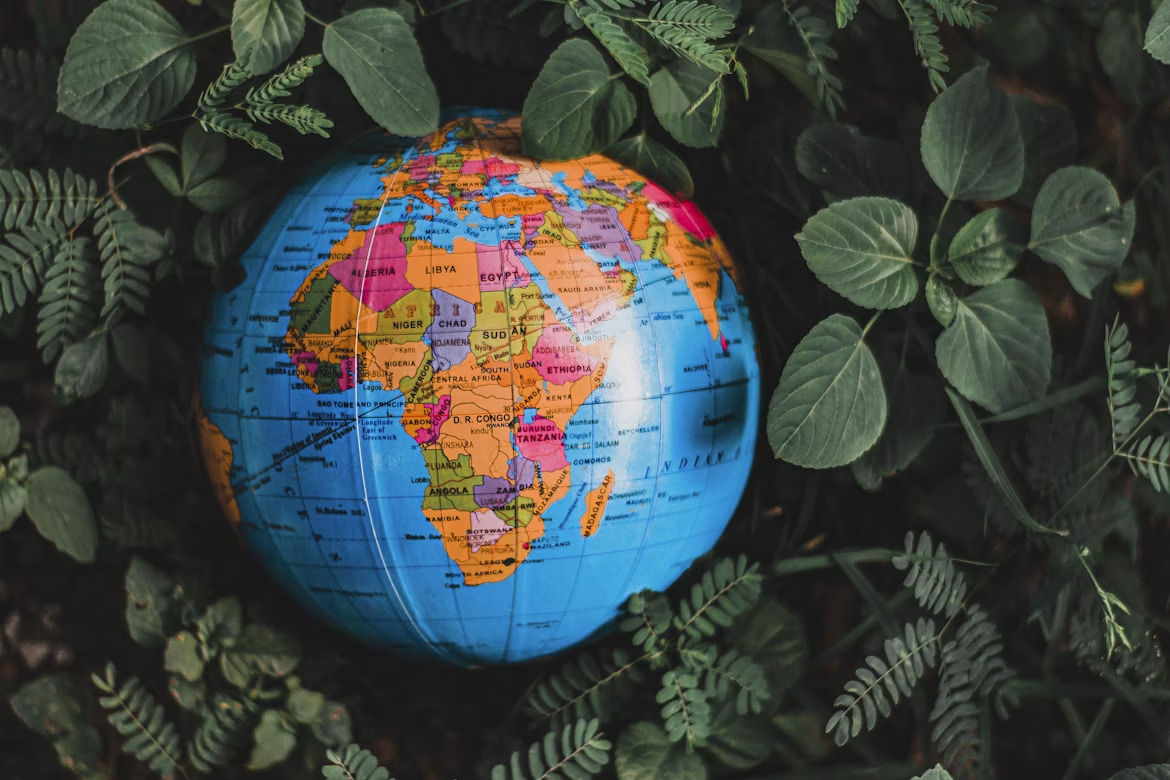
A boutique artisan in a small town can now sell handmade goods to customers in Tokyo or Berlin. Additionally, globalization has made it easier than ever to source materials. Small manufacturers can access global supply chains, often securing components at lower costs, which helps them maintain competitive pricing and improve profit margins.
The Heat of Global Competition Conversely, globalization introduces a "global-local" paradox. Small businesses are no longer just competing with the shop down the street; they are competing with international giants.
With the rise of global marketplaces like Amazon and Alibaba, consumers expect fast, cheap, and diverse shipping options. For a local retailer, matching the logistical capabilities or the pricing power of a multinational corporation can feel impossible.
Adapting to Succeed So, how do small businesses survive? The answer lies in differentiation. While big corporations win on volume and price, small businesses win on authenticity, community, and niche expertise. Globalization has fueled a consumer backlash against mass-produced goods, creating a massive demand for sustainable, locally-sourced, and personalized products.
In conclusion, globalization is not inherently good or bad for small businesses; it is a fundamental shift in the rules of engagement. Those who embrace digital tools to expand their reach while doubling down on their unique local identity will not just survive—they will thrive in the global marketplace.
Great post! Featured in the hot section by @punicwax.