The Cultural Significance of Harvest Festivals: A Celebration of Gratitude
Throughout human history, the arrival of autumn has signaled more than just a change in weather; it has marked a profound moment of collective relief and gratitude. Harvest festivals, recognized globally under various names—such as Thanksgiving in North America, Mid-Autumn Festival in China, or Pongal in India—serve as vital threads in the tapestry of human culture.
A Universal Language of Gratitude
At their core, harvest festivals are expressions of human resilience. For millennia, our ancestors’ survival depended entirely on the success of their crops. Bringing in the harvest was a victory against the elements, securing the community’s survival for the coming winter.
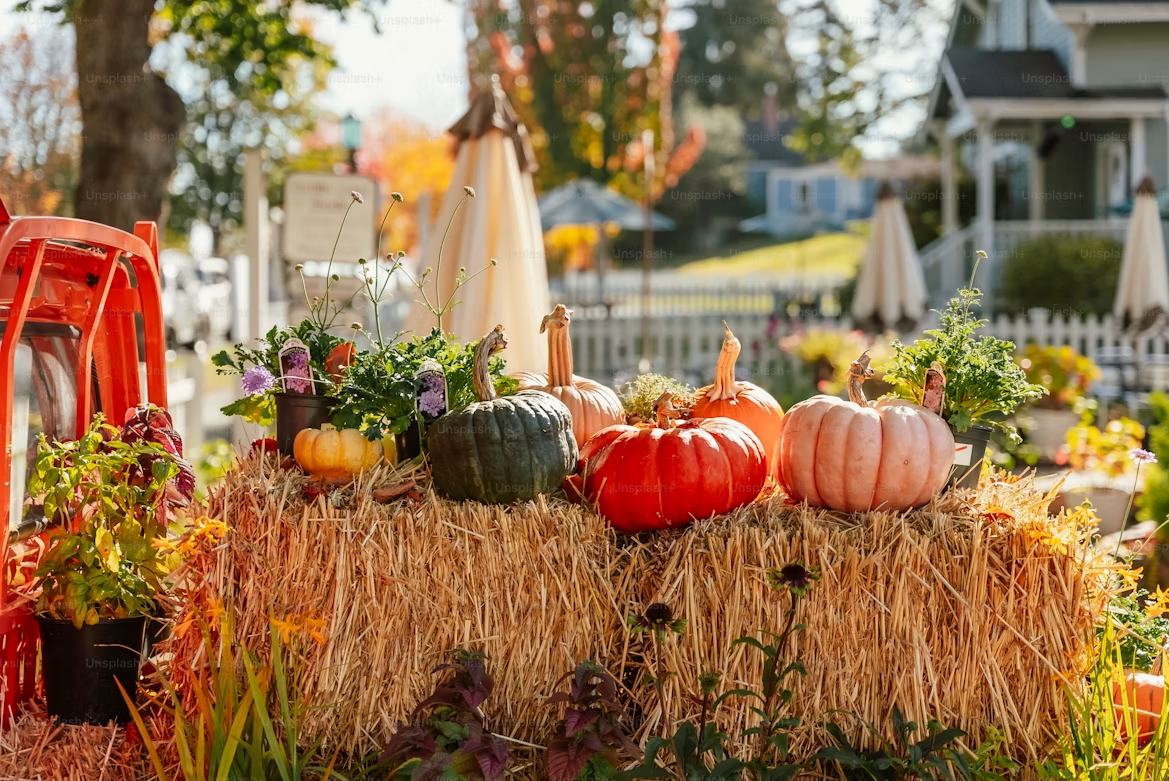
Today, while modern agriculture has distanced many of us from the soil, these celebrations remain essential. They remind us of our dependency on nature and the importance of sustainability.
Strengthening Social Bonds
Beyond the agricultural aspect, these festivals act as powerful social glue. They emphasize the importance of community and family.
Whether it is gathering for a feast, exchanging traditional gifts, or participating in communal folk dances, these rituals reinforce social cohesion. They provide a space to pause, reflect on the past year, and share the fruits of labor with those closest to us.
Preserving Heritage
Harvest festivals are living history. They preserve stories, traditional cuisines, and folklore that might otherwise be lost to time. By engaging in age-old rituals, generations remain connected to their roots. These celebrations validate our cultural identity, offering a sense of continuity in a rapidly changing world.
In an era of digital disconnection, the harvest festival invites us to return to basics: food, community, and gratitude. By celebrating the bounty of the earth, we honor the ancient rhythm of life, reminding ourselves that regardless of our background, we are all ultimately sustained by the same cycle of growth, harvest, and rest.