The Night I Started Counting Bathroom Trips
There are certain nights that don't seem important at the time.
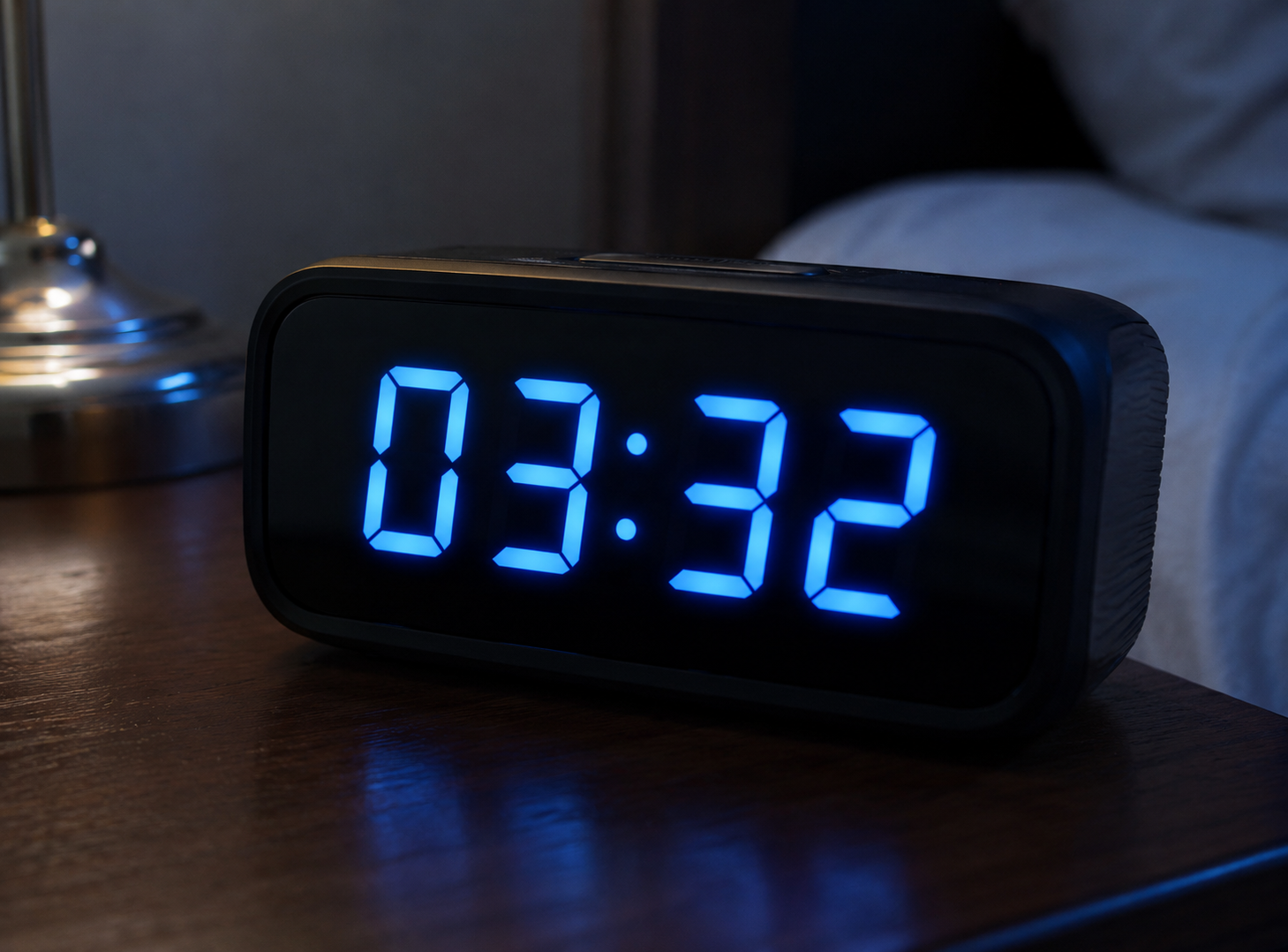
This was one of them ... I remember glancing at the clock beside the bed. 3:32 am and I'd only just settled back down after a trip to the bathroom.
"Must've had too much tea," I muttered to myself, turned over, fluffed the pillow for what felt like the fiftieth time, and closed my eyes. The next thing I knew, I was awake again.
Another trip.
Back to bed.
Then... awake again.
By the time morning arrived, I'd stopped trying to work out what time it was and started counting how many times I'd been up instead.
At no point did I think anything was seriously wrong. I wasn't in pain. I didn't feel ill. I simply assumed this was one of those little indignities that quietly arrives with age, alongside reading glasses, mysterious aches, and making involuntary noises every time you stand up from the sofa.
Looking back now, I realise that night was trying to tell me something. I just wasn't listening.
"It's Probably Nothing..."
The funny thing about small changes is how quickly you find perfectly reasonable excuses for them.
Too much tea after dinner or that extra pint at the pub on Friday. Perhaps I'd been drinking more water because it had been unusually warm that week. I blamed just about everything except the possibility that something had actually changed.
If there'd been a full moon, I'd probably have blamed that as well.
It wasn't as though I was running to the bathroom every half hour. It was just... more often than before. Easy enough to dismiss. Easy enough to convince myself that every other man my age was doing exactly the same thing.
After all, I'd reached my sixties. Things creaked a bit more than they used to. My knees had started providing a weather forecast every time it rained. Surely this was simply another item on the growing list of "welcome to getting older."
So I shrugged my shoulders and got on with life. Or at least, I tried to.
The Following Weeks
That one restless night quietly turned into several. Not every night, mind you. Just often enough to notice.
One trip to the bathroom became two.
Two occasionally became three.
Some nights I'd sleep straight through and convince myself I'd imagined the whole thing. Then, just as I started feeling rather pleased with myself, another broken night's sleep would come along and prove me wrong.
The biggest difference wasn't what happened during the night—it was how I felt the next day.
I'd wake up feeling as though I'd slept with one eye open. The kettle seemed to take forever to boil, and I found myself relying on that first mug of tea far more than I cared to admit. Afternoon naps, something I'd always associated with my grandad, suddenly started looking like a perfectly sensible idea.
Even the jobs I normally enjoyed began to feel like hard work.
The flowerbeds could wait until tomorrow ... that loose cupboard hinge wasn't going anywhere. The hedge had survived another week looking untidy, so another few days wouldn't hurt.
My wife started asking if everything was alright because I seemed a bit quieter than usual. I brushed it off with my standard answer.
"Just didn't sleep very well."
Which was true.
What I didn't realise was that "not sleeping very well" was quietly becoming my new normal.
Quietly Changing My Habits
Without really noticing it, I began making little adjustments to my routine. None of them felt particularly significant on their own, but looking back now they were all part of my rather determined attempt to solve the problem without admitting there actually was one.
The evening mug of tea disappeared first, which, for a Yorkshireman by birth, felt suspiciously close to treason. I convinced myself it was only temporary, although I distinctly remember eyeing the kettle with the sort of longing usually reserved for old friends moving abroad.
Then I started making sure I visited the bathroom just before going to bed. That seemed sensible enough, except it wasn't long before I developed the habit of going again a few minutes later "just to be on the safe side." Apparently my bladder and I had entered into contract negotiations without informing the rest of me.
If we planned an evening out, I'd quietly make a mental note of where the nearest toilets were. Not because I thought I needed to, you understand - just because it seemed like sensible planning. That's the story I told myself, anyway.
The strange thing was how quickly these little routines became automatic. I wasn't consciously changing my life; I was simply adapting to it. Humans are remarkably good at that. Give us enough time and we'll accept almost anything as normal, even when it quietly chips away at the way we've always lived.
At the time, I saw these changes as practical solutions to a minor inconvenience. It never crossed my mind that I was slowly rearranging my daily life around a problem I'd still refused to acknowledge.
The Moment It Started Worrying Me
The turning point didn't arrive with flashing lights or dramatic music. It happened on an ordinary Tuesday morning while I was standing in the kitchen, waiting for the kettle to boil.
I'd slept badly again and was staring out of the window into the garden, watching a pair of blackbirds arguing over something that probably seemed terribly important to them. It struck me that I'd spent more time awake than asleep, yet somehow I'd accepted that as perfectly reasonable.
I found myself asking a simple question that I'd somehow managed to avoid for months.
"Is this actually normal?"
Not "Am I seriously ill?"
Not "Should I panic?"
Just... "Is this how things are supposed to be?"
It was such an ordinary thought that I'm almost embarrassed it took me so long to have it. I'd spent months explaining everything away, telling myself I was simply getting older, but for the first time I wondered whether I was using my age as a convenient excuse instead of looking for an honest answer.
That quiet little question stayed with me for the rest of the day. I carried it into the garden, into the shed, and even into the supermarket later that afternoon. Once it had lodged itself in the back of my mind, I couldn't quite shake it, rather like a tune you wish you'd never heard in the first place.
Looking back now, that wasn't the day I solved anything.
It was simply the day I stopped pretending there wasn't a question worth asking.
Looking Back
It's funny what hindsight does to a person.
When I think back to that period now, the signs seem almost embarrassingly obvious. Broken nights were becoming more frequent, I was quietly changing my daily routine to work around them, and my energy wasn't what it had been. Yet somehow, I still managed to convince myself that everything was perfectly normal.
I suppose that's because the changes happened so gradually. There wasn't one dramatic moment where life suddenly felt different. Instead, it was a collection of small inconveniences that slowly stitched themselves into everyday life until I stopped questioning them altogether.
If there's one thing I've learned since then, it's that our bodies are remarkably good at getting our attention—but they're usually polite about it to begin with. They whisper long before they shout. The trouble is, many of us become experts at ignoring the whispers, especially when they're easy to explain away.
I wasn't frightened back then. If anything, I was stubborn. I genuinely believed the problem would sort itself out if I gave it enough time. After all, I'd fixed plenty of things over the years by simply leaving them alone for a while.
As it turns out, the human body doesn't always respond to the same maintenance schedule as a temperamental lawnmower.
In my next post, I'll explain why I spent far longer than I should have convincing myself there was nothing to worry about, and how that quiet little voice in the back of my mind gradually became impossible to ignore.
Until then, take care of yourselves... and don't be quite as stubborn as I was.
Cheers! Terrance Hart